Urgent.News

What's breaking now, across thousands of outlets.

Science

Meet the ‘gentle’ lemur with a dangerous taste for bamboo
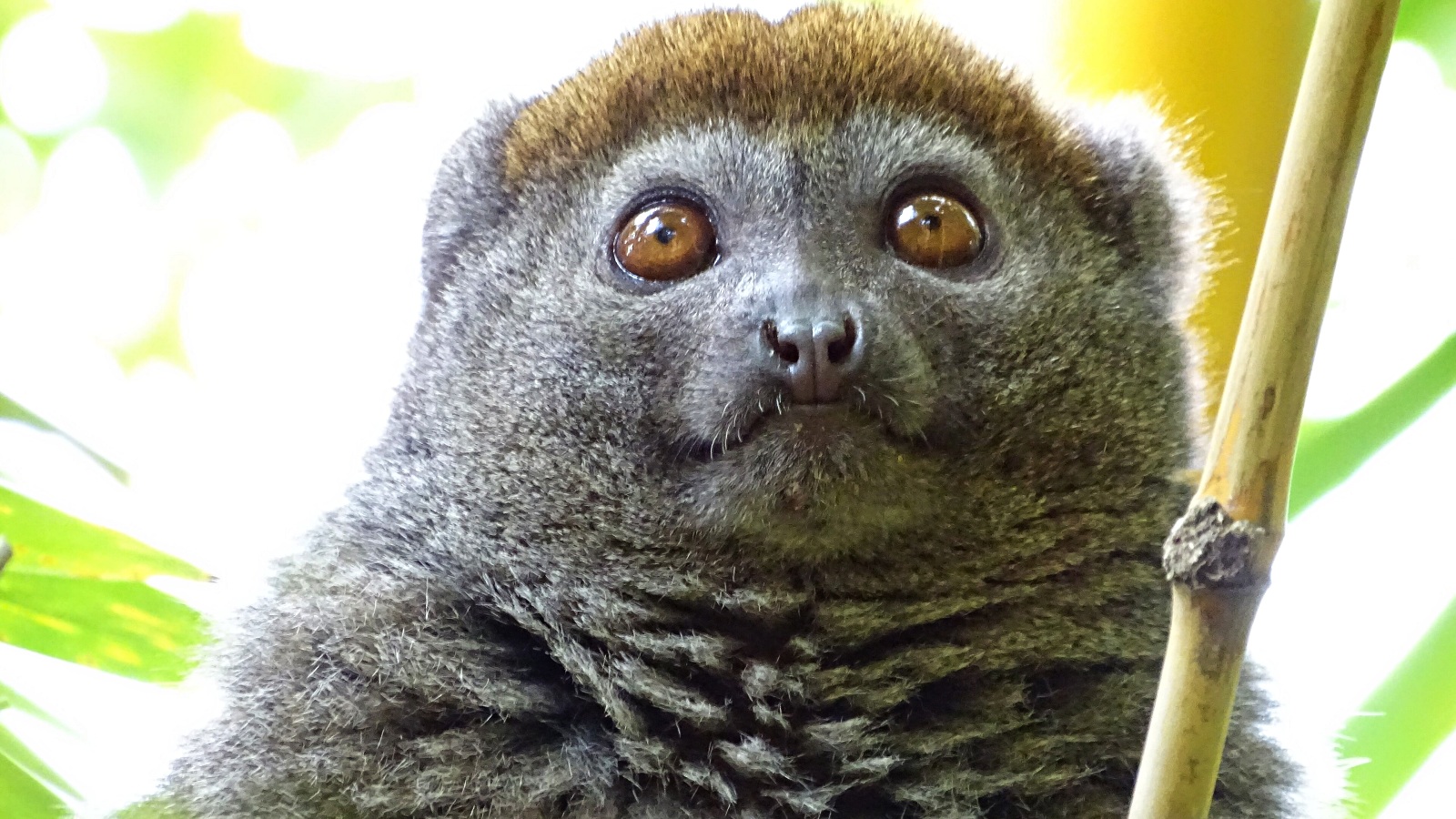
Meet the ‘gentle’ lemur with a dangerous taste for bamboo

The eastern lesser bamboo lemur, also known as the gray bamboo lemur, gray gentle lemur, or Mahajanga lemur, is a distinctive primate found in Madagascar. This tiny creature spends most of its time in bamboo forests, feasting on bamboo shoots, leaves, and stems. As vertical climbers, they navigate through thick bamboo forests, leaping from stalk to stalk. Bamboo makes up most of their diet during certain seasons, making the eastern lesser bamboo lemur one of the most specialized bamboo feeders in the animal kingdom.

The bamboo itself poses a unique challenge due to its cyanogenic compounds, which release toxic cyanide. However, bamboo lemurs have evolved to tolerate and process these chemicals, allowing them to thrive on a diet that would be hazardous to many other animals. Researchers have been intrigued by how these lemurs can survive on a plant that is both nutritious and potentially dangerous, leading to comparisons with giant pandas.

Both animals have evolved to survive on an unusual food source, highlighting the diversity of evolution.

However, the eastern lesser bamboo lemur is a rare species facing significant threats. Habitat loss due to deforestation, particularly the clearing or degradation of bamboo forests, poses a major danger. With limited habitat and fewer food sources, the species becomes increasingly vulnerable. As a bamboo-dependent animal, it cannot easily switch to alternative foods or adapt to altered environments, making conservation efforts crucial for its survival in the wild.

Written by urgent.news from The Indian Express - Lifestyle's reporting — not their text. Machine-written — may contain errors; check the original before relying on it.

This story

This is one outlet's version. Read the fullest account.

Read the original at indianexpress.com →

More in Science

Rising temperatures in the Himalayas have led to an alarming increase in glacial lakes. According to a recent study published in the journal Nature, the number of glacial lakes in the region has surged by 1,362 over the past nine years. The research, conducted by the University of Zurich and the University of Leeds, utilized satellite data to track changes in glacial lakes across the Himalayas from 2015 to 2022. The findings indicate that the region has witnessed a significant rise in the number of glacial lakes, which are formed when meltwater from glaciers accumulates in depressions. The study revealed that the total number of glacial lakes in the Himalayas has increased from 4,575 in 2015 to 5,937 in 2022. This represents a 30% increase over the seven-year period. The researchers attribute the growth in glacial lakes to rising temperatures and the resulting increase in glacier melt. As the planet continues to warm, glaciers in the Himalayas are melting at an unprecedented rate, leading to the formation of new glacial lakes. The study's lead author, Dr. Daniel, stated that the increase in glacial lakes poses a significant threat to communities living downstream. "Glacial lakes can be a source of freshwater, but they also pose a significant risk of glacial lake outburst floods," he said. Glacial lake outburst floods occur when a glacial lake suddenly bursts, releasing massive amounts of water downstream. These events can be devastating, causing widespread destruction and loss of life. The Himalayas are particularly vulnerable to the impacts of climate change, with rising temperatures and changing precipitation patterns affecting the region's glaciers and ecosystems. The study's findings highlight the need for continued monitoring and research into the impacts of climate change on glacial lakes and communities in the Himalayas. The research was funded by the University of Zurich and the University of Leeds, and the data used in the study was provided by the European Space Agency.

More from Sunday 30 August →