Mark Zuckerberg’s Social Reckoning
The Meta settlement will force meaningful changes on Facebook and Instagram. It also reflects the degree to which public outrage is outmatched by the speed and size of Big Tech.
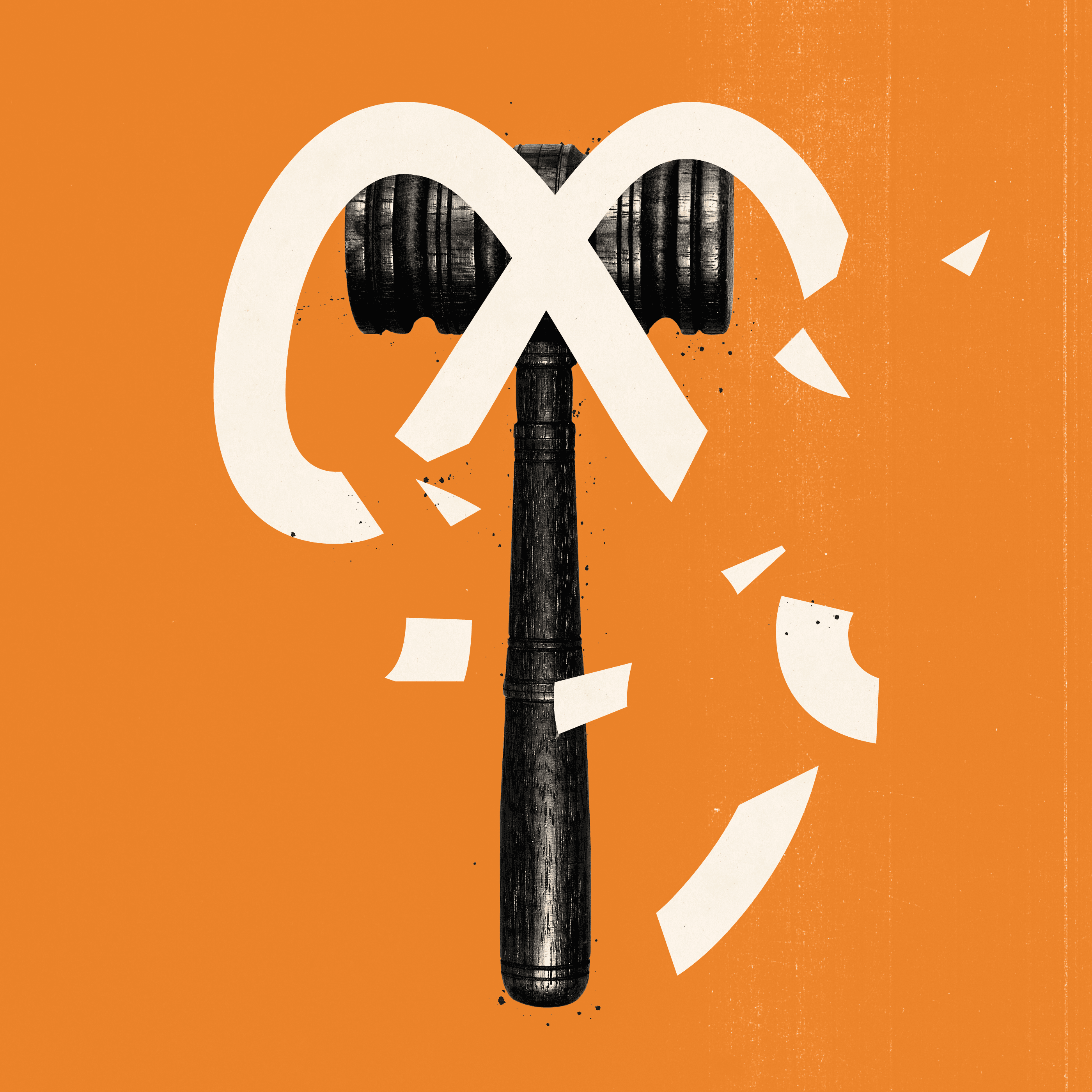
Mark Zuckerberg, the CEO of Meta, is facing a significant social reckoning after settling a lawsuit involving the alleged manipulation of children's attention. Last Wednesday, Meta agreed to a settlement with the attorneys general of forty-seven states, which could cost the company up to seventeen billion dollars. The settlement requires Meta to implement measures aimed at reducing the impact of its products on its youngest users.
These measures include removing the "like" count on posts, verifying user ages, limiting daily usage for teens, and restricting service during nighttime hours. The settlement comes after a trial that focused on Meta's responsibility for the content and algorithms shaping user experiences. During the trial, evidence presented by the plaintiffs revealed that Meta executives prioritized growth over concerns about the effects of their products on minors.
A former Meta engineer testified that he had emailed Zuckerberg with data showing that teens were exposed to violent or graphic content up to a hundred and four hundred times more than what the company publicly acknowledged. Florida's attorney general criticized the settlement, stating that it did not go far enough, and suggested that Meta may face further legal action.
The settlement has been compared to the tobacco lawsuits of the nineties, highlighting the widespread impact of social media on society. However, Meta's vast resources and investments in artificial intelligence set it apart from more traditional industries, making it a unique case. The settlement raises questions about the speed at which technological advancements are adopted and the effectiveness of legal accountability mechanisms.
As the tech industry continues to grow and evolve, the relationship between technology and society remains largely unchanged, with new products following familiar patterns of hype and public backlash.
Written by urgent.news from The New Yorker's reporting — not their text. Machine-written — may contain errors; check the original before relying on it.