Major sodium-ion battery milestone passed by California startup — Unigrid aces Hyundai’s safety tests down to -20C as experts call tech a 'compelling alternative' to lithium-ion
Sodium-ion battery technology promises to improve on lithium-ion in numerous areas, though challenges remain.
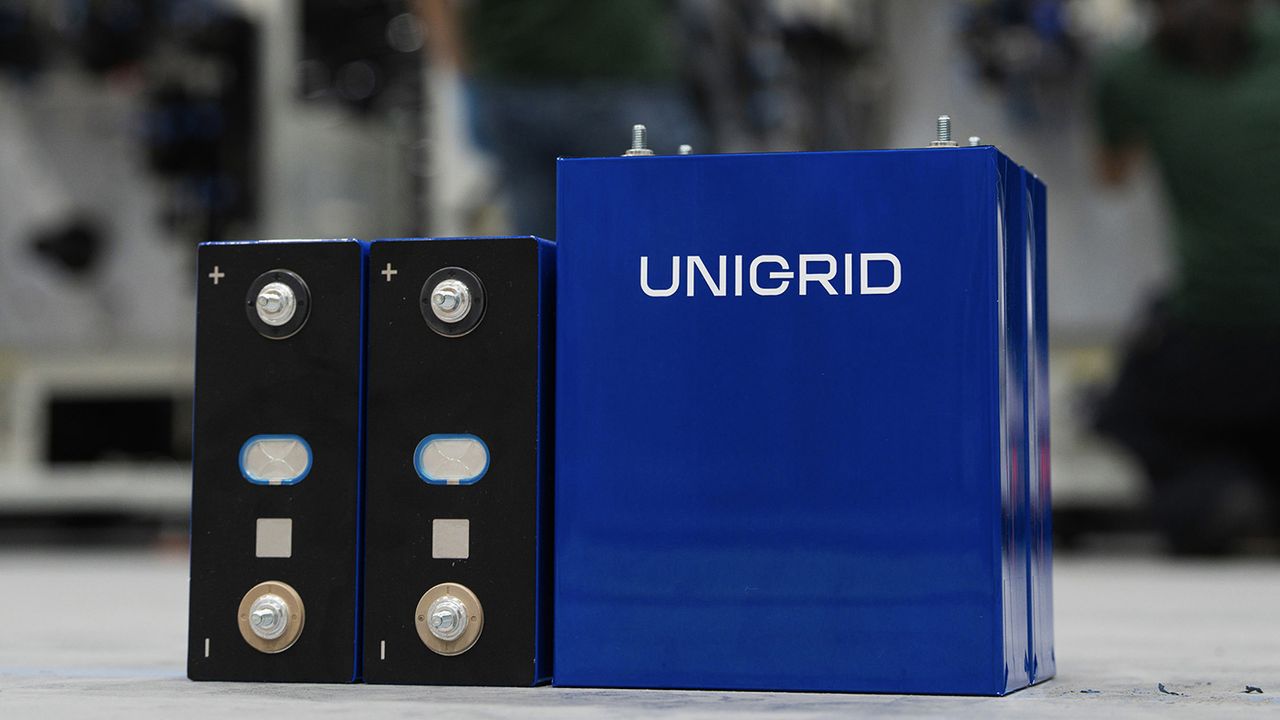
A California startup, Unigrid, has successfully passed safety tests conducted by Hyundai for sodium-ion batteries. This battery technology, which uses sodium ions instead of lithium, is seen as a promising alternative to lithium-ion batteries. Sodium-ion batteries offer several advantages, including improved safety due to reduced risk of thermal runaway and increased availability of raw materials.
Hyundai's evaluation confirmed that the batteries demonstrated minimal capacity degradation and performed well under a wide range of temperatures, from -20C to 60C. However, there are still challenges to overcome, such as improving energy density. Major battery manufacturers like CATL are also investing in sodium-ion technology, with plans to mass-produce the batteries by the end of 2026.
Sodium-ion batteries are expected to coexist with lithium-ion batteries in the short term, particularly for large-scale energy storage and cost-sensitive applications. Researchers are actively working on optimizing the mix of ingredients and exploring new chemical combinations to enhance the performance of sodium-ion batteries.
Written by urgent.news from TechRadar's reporting — not their text. Machine-written — may contain errors; check the original before relying on it.