Left On Read? Why A Delayed Reply Can Send Your Mind Into Overdrive
In the age of instant communication, even a few hours of silence can feel significant. A delayed reply may trigger uncertainty, overthinking, or anxiety, despite having little to do with the relationship itself. As messaging has become a central part of modern relationships, quick responses are often expected, making ordinary delays feel more personal than they really are. Silence can feel like…
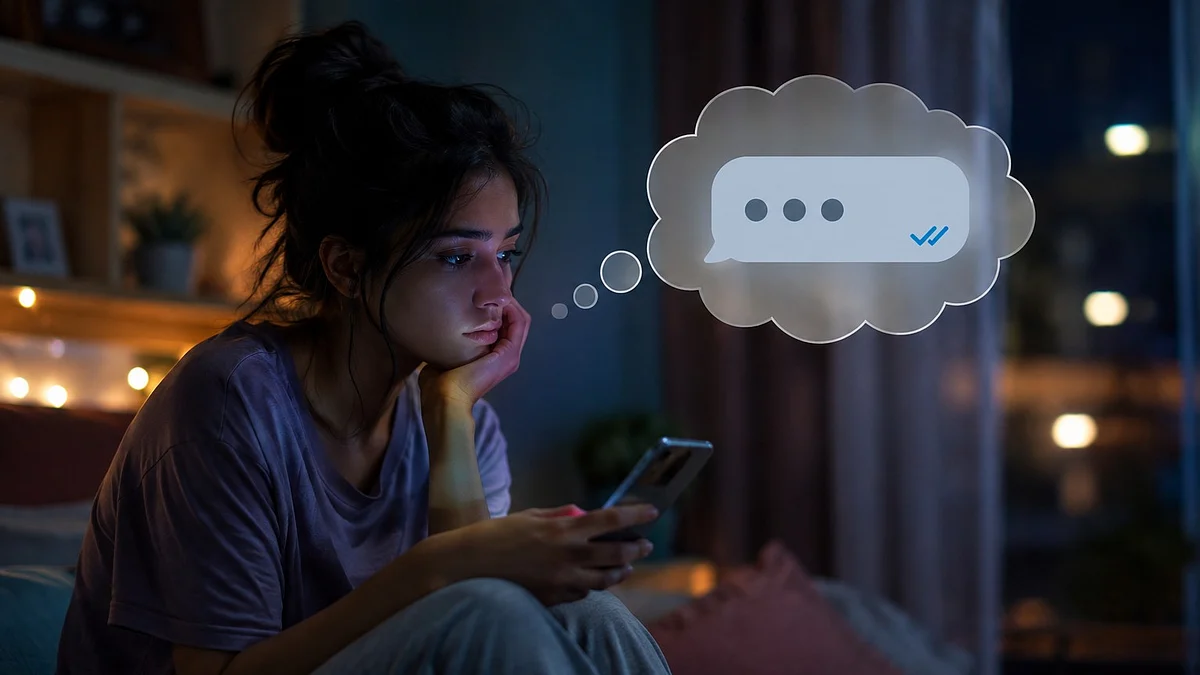
In today's world of instant communication, even a brief lapse in response can feel significant. When someone doesn't reply promptly, it can trigger uncertainty, overthinking, or anxiety, even if there's no real issue with the relationship. The rapid pace of messaging today often expects quick responses, so delays can feel more personal than they are.
Our brains are naturally attuned to social cues, and when we don't receive a response, it creates room for negative assumptions. For example, we might start imagining that the person is upset, losing interest, or avoiding us, especially if we care about them. Ekta Dharia, a clinical psychologist and psychotherapist, points out that "Delayed replies can trigger anxiety because digital communication leaves room for assumptions.
Without tone or facial expressions, silence can feel like rejection, especially for people sensitive to it." The key is to distinguish between facts and interpretations – a delayed response is simply a fact, while our interpretation of its meaning is an assumption. With the ubiquity of phones, we've come to expect almost immediate replies.
When a response doesn't come swiftly, it can feel unusual. However, people have various responsibilities and may simply need moments to be without their phones. The problem often lies in the expectation that everyone should be constantly available, creating social pressure. Snehal D’Souza, a Gen Z content creator, reveals that "I overthink double-texting quite a bit...
Being left on read can make you question whether you said something wrong or whether texting again will make you look desperate." When we lack an explanation for someone's silence, our minds tend to fabricate one, often resulting in negative interpretations. Dipal Mehta, a Mumbai-based counsellor and psychotherapist, notes that "A delayed reply can become a blank canvas for our fears.
Without tone, body language, or immediate feedback, the mind starts creating explanations." To break this cycle, it's crucial to separate facts from assumptions. Someone's delay in replying doesn't necessarily reflect their feelings or the state of your relationship. To manage the anxiety caused by such delays, you can take steps like putting away your phone, turning off read receipts or notifications, and focusing on other activities.
Remember that healthy relationships are not determined by response times – individuals have differing schedules, communication styles, and boundaries. Sejal Wakkar, a PR consultant at Vicara PR, advises, "As a Zillennial, I think we re more aware of how delayed replies can trigger overthinking, compulsive checking, and the urge to seek reassurance.
What helps is recognising when you re getting caught in that cycle and consciously redirecting your attention – whether through reading, going for a walk, practising yoga, or simply stepping away from social media."
Written by urgent.news from Free Press Journal's reporting — not their text. Machine-written — may contain errors; check the original before relying on it.