Japan’s Yen Falls Again Despite $97 Billion Aid. Risk For Bitcoin?
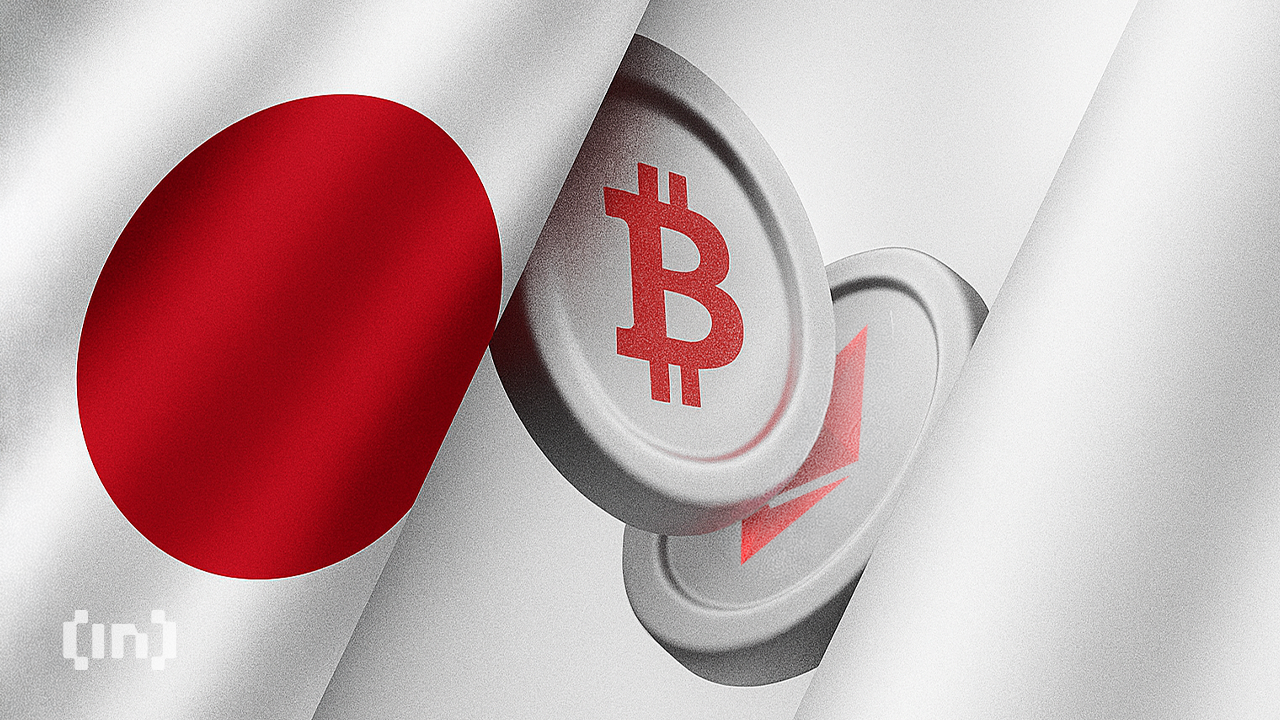
Japan's yen weakened once more this week, even after spending about $97 billion to prop it up over the past month. The currency's decline raises concerns for officials and could have implications for Bitcoin. The yen dropped to 160.16 per dollar on August 28th, erasing more than half of its recent gains following last month's intervention.
A weaker yen raises the cost of imports for households and businesses in Japan. Japanese authorities have spent ¥15.4 trillion on currency support between July 30th and August 26th, including unprecedented joint efforts with the US on July 31st. The US Federal Reserve's higher interest rates compared to Japan's make dollar investments more appealing.
Warsh, the Federal Reserve chair, recently pledged to bring inflation under control, further bolstering the dollar. Bitcoin briefly dipped below $77,000 after Warsh's speech, as investors anticipated higher US rates. Japan might exacerbate the pressure, as some investors borrow cheap yen to invest elsewhere. This practice, known as the carry trade, becomes riskier with a stronger yen and higher Japanese interest rates.
If significant intervention or rate hikes push the yen sharply up, these loans could become costlier to repay in foreign currencies, prompting investors to sell assets to cover their debts. This scenario has transpired before, notably in August 2024, when such interventions triggered a sharp decline in Bitcoin and Ethereum prices, with losses reaching up to 20%.
Metaplanet's CEO, Simon Gerovich, sees potential in this situation. In an interview in Hong Kong, he noted that Asian savers are eager to transition from cash to Bitcoin. His company actively buys and holds Bitcoin, positioning itself in that outlook. As demand for Bitcoin grows, its vulnerability to abrupt market sell-offs remains a concern.
The current buyers are unlikely to abandon their positions. Gerovich is confident that the bottom is in and expects a more promising remainder of the year.
Written by urgent.news from Yahoo Finance's reporting — not their text. Machine-written — may contain errors; check the original before relying on it.