Iraqi Kurdistan resumes oil production of up to 230,000 bpd after drone attacks
Iraq’s Kurdistan region has resumed oil production at all its oilfields except Sarsang, with output reaching up to 230,000 barrels per day, after a series of drone attacks during the war. Some oil and gas companies operating in the semi-autonomous Kurdistan region had stopped production due to drone attacks on their energy infrastructure. Iraq asked oil companies to resume operations in Kurdistan…
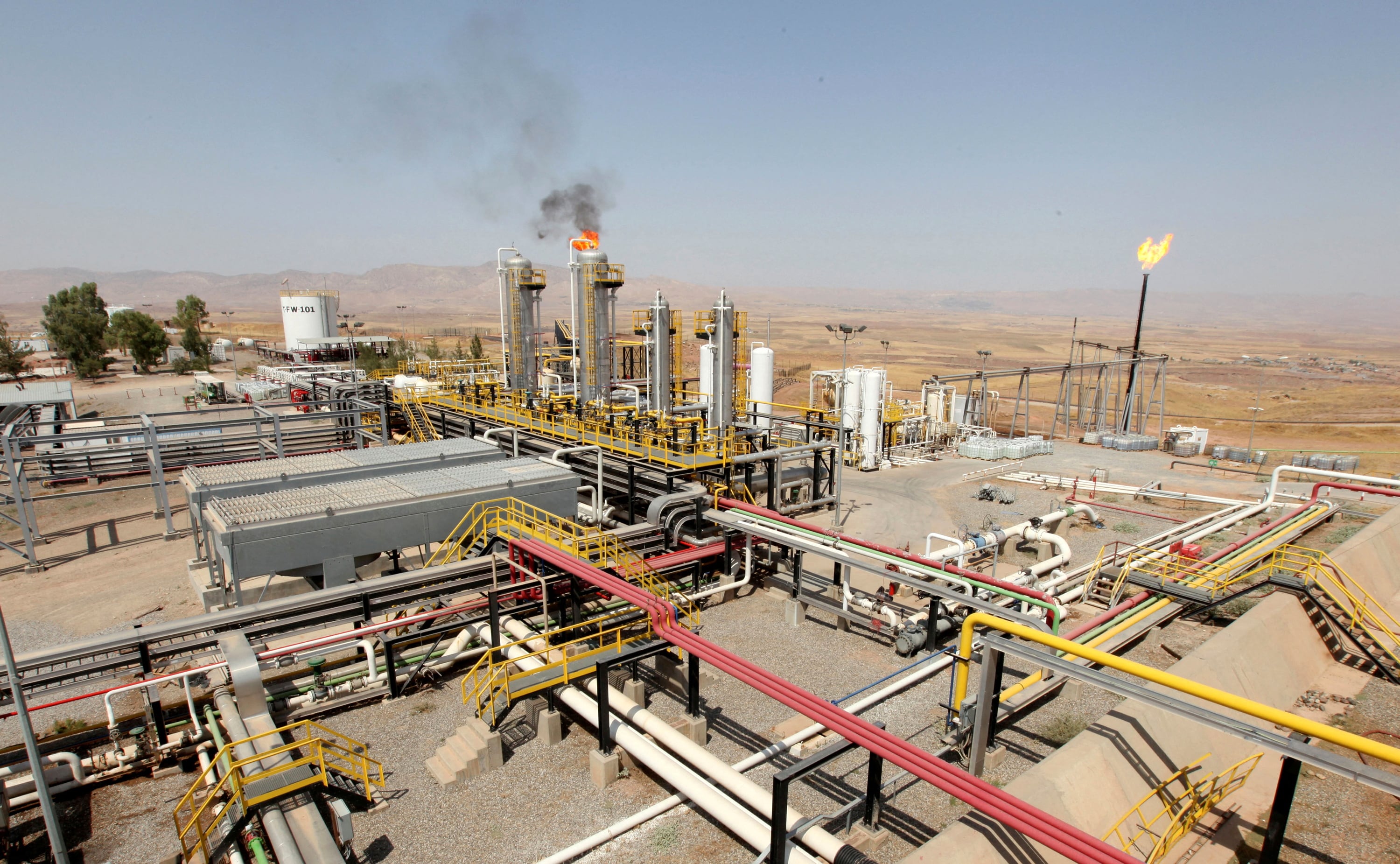
Iraq's Kurdistan region has restarted oil production at all its facilities, except the Sarsang field, with output reaching up to 230,000 barrels per day. This comes after a string of drone attacks on energy infrastructure during the ongoing conflict. Oil and gas companies in the semi-autonomous region halted production due to the attacks.
Iraq urged oil firms to resume operations in Kurdistan in June. Kamal Mohammed, Minister of Natural Resources in Kurdistan, announced on Saturday that all oilfields have resumed production, with the exception of Sarsang, which remains undamaged by drone strikes. The current oil production in the region ranges from 220,000 to 230,000 barrels per day, some of which is used domestically.
Iraq, Opec's second-largest producer, has suffered greatly due to the Strait of Hormuz blockade since the regional war began on February 28. Oil exports, averaging 3.4 million barrels per day before the war, have since collapsed to around 2 million barrels per day. However, exports have begun to recover, averaging about 2 million barrels per day since early August.
This growth is largely attributed to Iraq's efforts to establish alternative export routes. Iraq's President Nizar Amidi reported that Iran had granted permission for several Iraqi oil tankers to pass through the Strait of Hormuz following the region's request. The current refining capacity in Kurdistan is only 50,000 barrels per day, while local demand exceeds 140,000 barrels per day.
The Iraqi government estimates the cost of refining oil at 5,900 dinars ($4 per barrel), whereas the Kurdistan Regional Government calculates it at $16. At $4 per barrel, petrol in the region would cost 450 dinars, but the current price is approximately 750 dinars per liter.
Written by urgent.news from The National UAE's reporting — not their text. Machine-written — may contain errors; check the original before relying on it.
Also reported by 1 other outlet
- Iraqi Kurdistan resumes oil production of up to 230,000 bpd after drone attacks thenationalnews.com