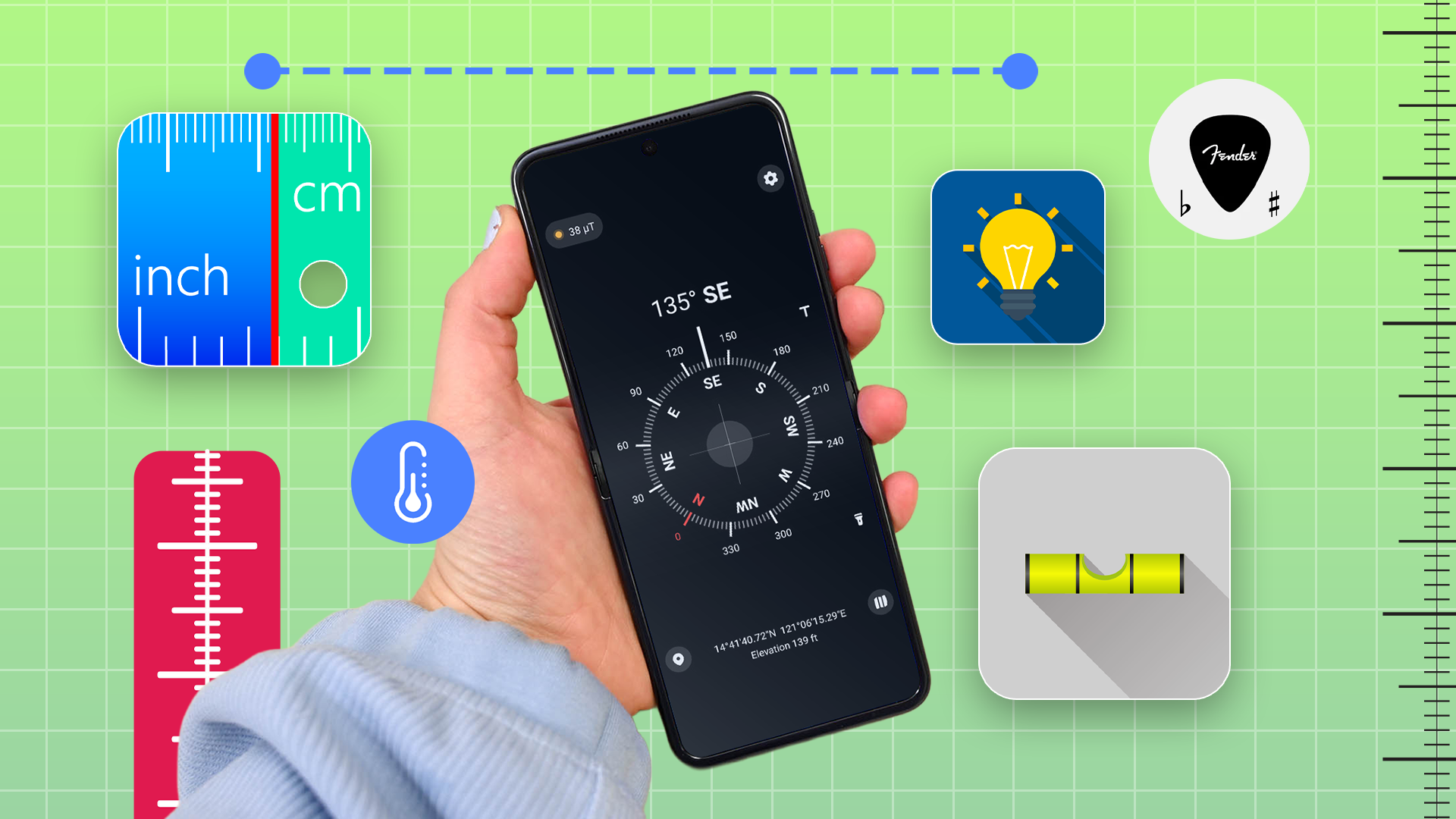
I evaluated dozens of digital measuring tools on Android to see if phone sensors can replace physical hardware
There are some legitimate options
Have you ever faced a situation where you needed to code but were stuck without your laptop? Your phone was readily available, and you had the code ready. However, coding on a phone was not as seamless as it is on a desktop. This was the problem that prompted the development of RunCoder, a coding workspace designed specifically for Android devices.
With RunCoder, you can now write, edit, organize, and run code directly from your phone. It supports multiple programming languages including C, C++, Java, Python, HTML, CSS, and JavaScript. The app also offers starter templates, multi-file projects, a mobile-friendly editor, syntax highlighting, customizable editor settings, and integrated output.
The aim of RunCoder is not to replace more robust IDEs like VS Code or Android Studio. It is designed to be a simpler, more accessible coding environment that can be utilized when a laptop is not at hand. The app has now been released on Google Play for developers to try out.
I am eager to receive feedback from the developer community. What additional feature would make you want to code directly from your phone? If you have already used RunCoder, I would particularly appreciate your insights on what works well, what is frustrating, and what improvements I should consider implementing next.
Written by urgent.news from Dev.to's reporting — not their text. Machine-written — may contain errors; check the original before relying on it.
This story
This is one outlet's version. Read the fullest account.