How will U.S.-Iran conflict reshape the world?
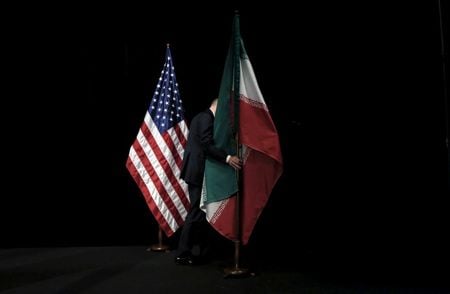
Since February, the U.S.-Iran conflict has largely centered on the Strait of Hormuz and Iran's ability to disrupt Gulf shipping. This focus has highlighted the vulnerability of global trade and supply chains to disruptions caused by drones, unmanned vessels, and antiship missiles. However, a report from BCA suggests that the world will not fundamentally change as a result of this conflict, as countries continue to prioritize their own interests above alliances.
The U.S. has struggled to achieve its war objectives against Iran, though it could still survive without Middle East oil. However, a U.S. loss would benefit China, which may increase its military presence in the region to secure its oil supply. While preventing this outcome does not require the U.S. to reshape Middle East geopolitics, Israel hopes for U.S. assistance in doing so.
As the U.S. could potentially withdraw resources from the Middle East, other countries will likely focus more on securing their own objectives in the region, potentially leading to further conflicts. The introduction of new military technologies, such as drones and anti-ship missiles, has made it easier to disrupt global trade and supply chains compared to traditional warfare, creating an asymmetry of capability and cost.
While traditional war may not end, old war platforms must be replaced, and expenses incurred to develop necessary technology. Investors now need to develop a private markets strategy for the sector and consider global players. Minnows in defensive tech, such as Turkey and Ukraine, may become more significant leaders.
The world is becoming more multipolar, enabling medium powers to hold out against superpowers through advancements in technology. This multipolarity fosters conflict, increases national security spending, and creates security dilemmas, which in turn leads to more conflict, supply side risks, and spending on just-in-case inventories.
Although capex spending has been increasing, BCA does not believe a default bearish position on commodities is justified, as most shortages have been resolved or contained. However, investors should remain cautious of inflation expectations, as the redundancy built into supply chains may lead to inventory for which there is no demand, causing disinflation.
Multipolarity brings macroeconomic and financial regimes characterized by multipolar trading and finance. Post-pandemic, the world may not require as much redundancy as previously thought. As the U.S. dollar loses its reserve currency status, Saudi Arabia will have less incentive to maintain its crude sales in USD, affecting commodity producers worldwide.
The world becomes more insecure as traditional offensive maneuvers lose their effectiveness, military technology evolves, and conflict tools become cheaper. The U.S. has not secured its objectives against Iran but has aimed to erode Iran's nuclear capabilities. From a geopolitical threat perspective, countries like Japan, South Korea, Germany, Poland, Saudi Arabia, Sweden, and Ukraine may also pursue nuclear weapons, given their alliance with the U.S. and the potential for increased use of nuclear weapons.
Written by urgent.news from Investing.com's reporting — not their text. Machine-written — may contain errors; check the original before relying on it.