How to Build Automatic Crypto Payouts with the FaucetPay API
Build secure automatic crypto payouts with the FaucetPay API using Node.js, PostgreSQL, idempotency, webhooks, queues, and anti-abuse safeguards.
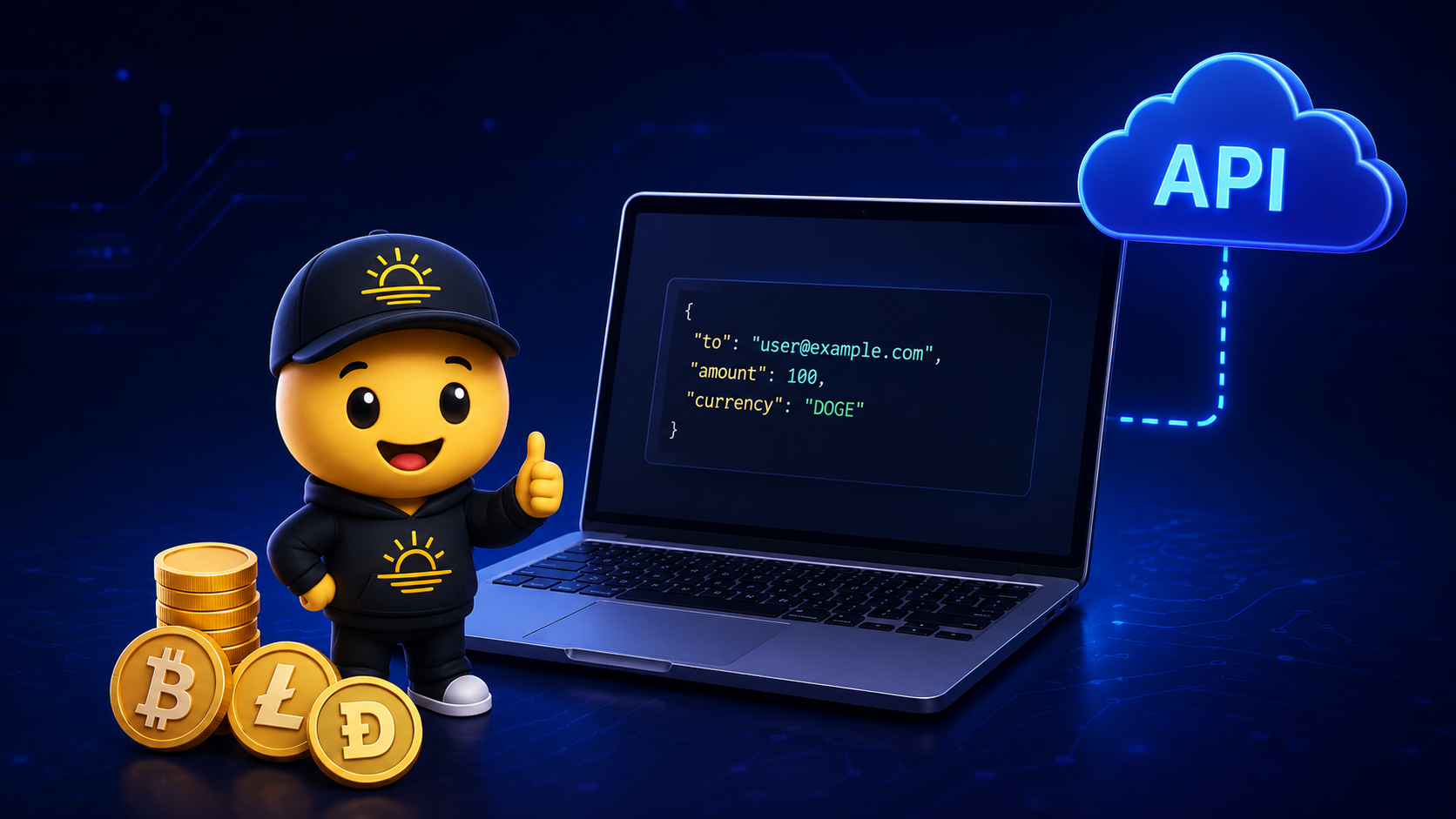
FaucetPay is a service designed for small cryptocurrency payouts, offering features such as scoped API keys, automated payout sending, idempotency protection, per-key payout caps, and signed webhooks. This article explains how to build an automatic crypto payout system using the FaucetPay API v2 in conjunction with Node.js Express, PostgreSQL, and a background payout worker.
The architecture can be utilized for various applications, including reward websites, games, loyalty systems, and more. The key point is that your application determines eligibility for rewards, while FaucetPay handles the actual micropayment process.
To begin, create a FaucetPay API key, selecting the v2 scope of "send" for a payout worker. Ensure the key is stored as an environment variable and excluded from version control. Install Node.js packages, including express, pg, and dotenv. Establish a project structure with directories and files for server, FaucetPay client, payouts, worker, and webhook handling.
Understand the structure of FaucetPay payouts, which require an idempotency key, recipient email, amount in smallest unit format, currency, and the sender's IP address. Be cautious regarding incorrect amount units, as this is a common integration error.
Implement a small FaucetPay client in the project, named faucetpay.js, which sends payouts to the API using a fetch request with the correct headers and body format. Avoid letting the browser decide the reward amount, currency, or recipient, as this could create security vulnerabilities. Instead, use a backend-determined reward structure. Store every reward before paying it to maintain a record of transactions and prevent fraud.
Written by urgent.news from HackerNoon's reporting — not their text. Machine-written — may contain errors; check the original before relying on it.