HOW CULTURAL INNOVATION IS SHAPING BETTER GOVERNANCE AND SUSTAINABLE DEVELOPMENT
[The content of this article has been produced by our advertising partner.] When policymakers talk about sustainable development and better governance, the conversation usually centres on regulation, compliance and economic reform. Rarely does it begin with a runway. Yet in late 2025, Fashion to Reconnect: A Tale of Two Style Capitals showed how cultural innovation—through fashion—can become a…
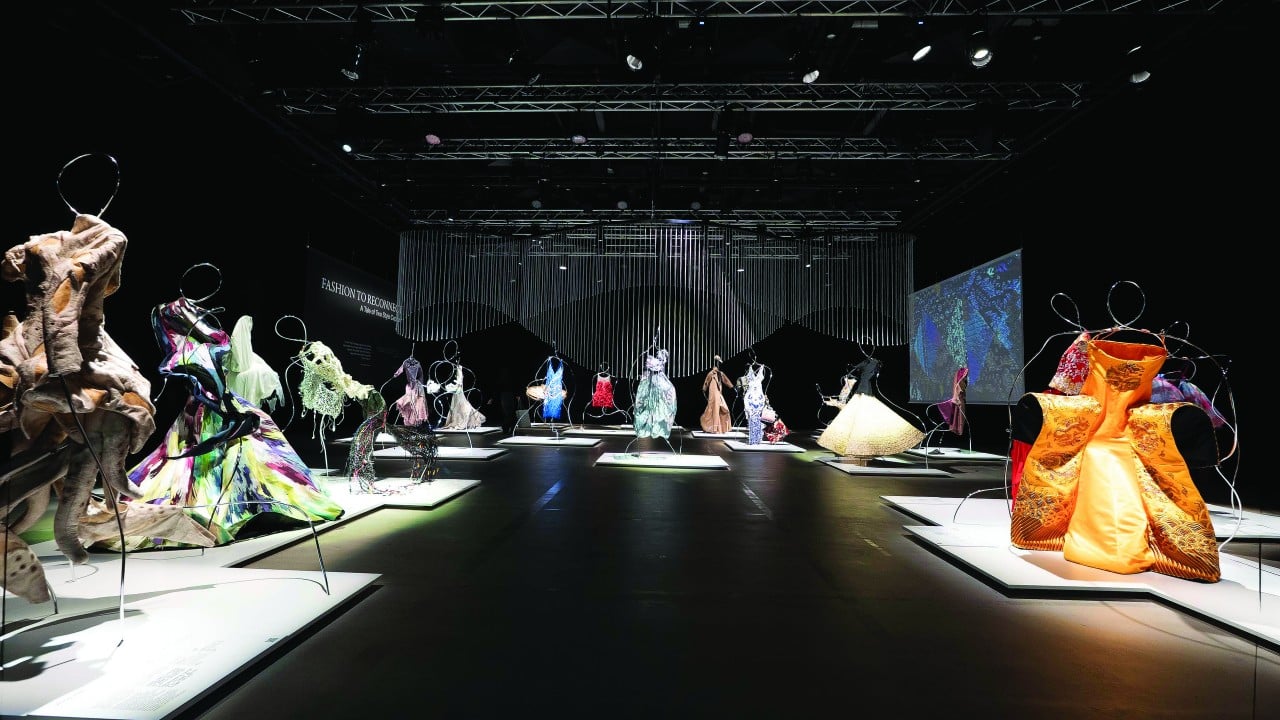
When policymakers discuss sustainable development and improved governance, the conversation typically focuses on regulation, compliance, and economic reform. Yet in late 2025, the Fashion to Reconnect exhibition demonstrated how cultural innovation—particularly through fashion—can drive systemic change. Organized by the College of Liberal Arts and Social Sciences (CLASS) at City University of Hong Kong (CityUHK) and in collaboration with international partners, the event united Hong Kong and Italian designers to explore the intersection of fashion, sustainability, and governance.
The exhibition was inspired by Michelangelo Pistoletto’s Third Paradise and functioned as a living laboratory for governance and sustainability. By merging symbolic expression with measurable outcomes, the initiative sought to promote sustainability on a large scale, as fashion is a universal aspect of everyday life. Professor Esterina NERVINO, Project Coordinator at CityUHK, emphasized that fashion's broad appeal makes it an ideal entry point for broader discussions on consumption, responsibility, and community.
To assess the event's impact, Nervino and her team developed an impact index measuring cultural events across five levels: individual, community, city, institution, and economic development. More than 1,700 participants completed surveys to gauge changes in sustainability awareness and Hong Kong's creative identity. These insights will be published in a forthcoming publication and a public white paper, reinforcing the importance of measurable outcomes in cultural and governance initiatives.
Professor Dorian HO, Adjunct Professor at CityUHK and exhibiting designer, highlighted the role of fashion as a direct medium for communicating values. Unlike complex policy documents, clothing conveys messages instantly. The sustainability philosophy was evident throughout the event, with minimal printed materials, no plastic bottles at receptions, and student involvement in showcasing sustainable practices.
HO also pointed out the need for systemic innovation in sustainability, including the use of new materials like bamboo, coffee-based textiles, and recycled plastics. Collaboration among designers, manufacturers, and policymakers is essential for such progress.
Moreover, HO emphasized the preservation of craftsmanship, such as embroidery, which is at risk of being lost among younger designers. By reinterpreting traditional motifs like the imperial dragon robe into modern fashion, HO symbolically redistributed power and encouraged cultural continuity. These efforts redefined luxury and responsibility, moving beyond product-centric concepts to focus on people and communities.
As sustainability becomes more integral to luxury, fashion continues to evolve, influencing both consumers and policymakers in shaping a more responsible and innovative future.
Written by urgent.news from South China Morning Post - Hong Kong's reporting — not their text. Machine-written — may contain errors; check the original before relying on it.