Himachal identifies 67 vulnerable glacial lakes, early warning systems planned for 4
The state is monitoring the identified lakes through satellite imagery and other scientific data to detect changes that could increase the risk of glacial lake outburst floods (GLOFs), while technical solutions are being explored to install sensors and transmit real-time information from locations where conventional communication networks are unavailable.
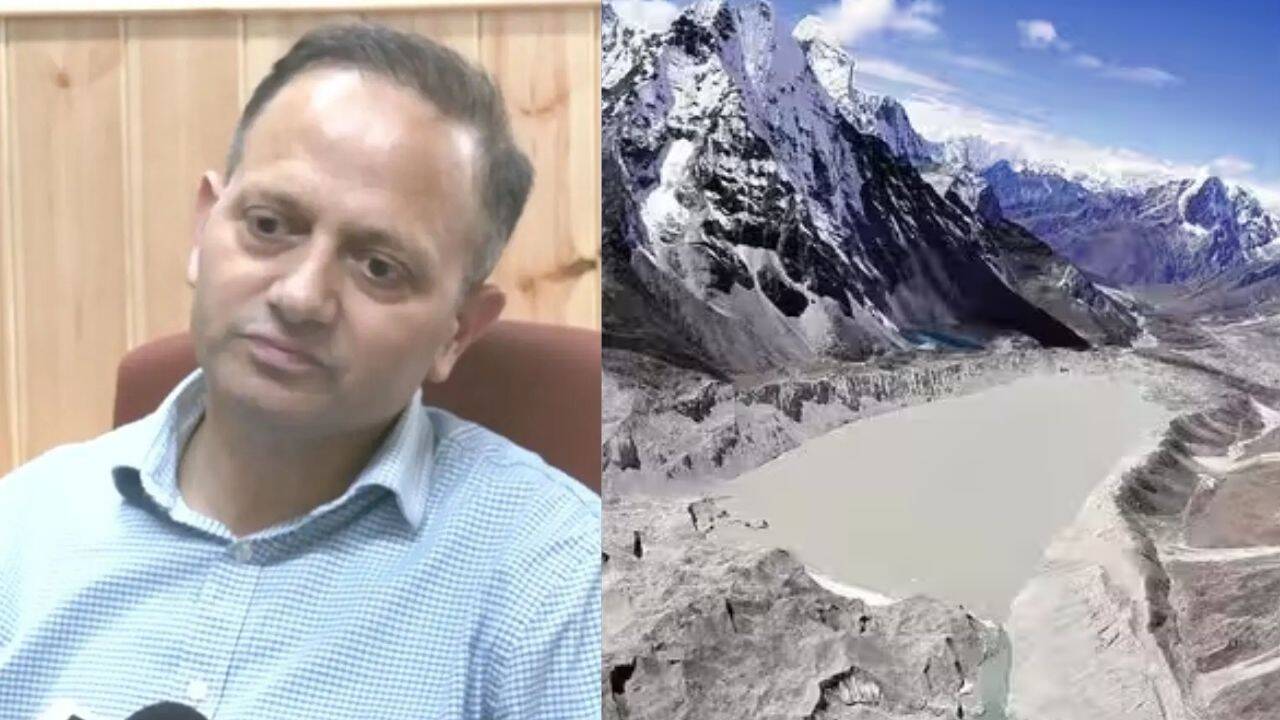
Shimla: The state of Himachal Pradesh has identified 67 glacial lakes that are vulnerable to outburst floods, with a focus on four lakes in Kinnaur and Lahaul-Spiti regions. Special Secretary of Disaster Management, Pushpinder Rana, revealed that these lakes were being monitored using satellite imagery and other scientific data to detect changes that could increase the risk of glacial lake outburst floods (GLOFs).
The state is also exploring technical solutions, such as installing sensors to transmit real-time data from remote locations where conventional communication networks do not exist. Rana emphasized that the identification of these lakes is a matter of significant concern due to the potential for devastating consequences, especially since recent Himalayan disasters have shown that major incidents can occur without traditional warning signs.
Himachal Pradesh has submitted a proposal to the National Disaster Management Authority (NDMA) to establish early warning systems for these vulnerable glacial lakes, with initial work already underway at four locations in Kinnaur and Lahaul-Spiti under the National Landslide Mitigation Programme. Rana highlighted the technical challenges in installing such systems in remote areas with no network connectivity, with solutions currently being developed in collaboration with the Center for Development of Advanced Computing (C-DAC).
The state is also undertaking High Flood Level (HFL) marking in downstream areas that could be affected by sudden water releases from these glacial lakes. Regular monitoring and community awareness are key components of the preparedness strategy, alongside scientific studies using satellite-based observations to track changes in glaciers and glacial lakes.
Rana stressed the need for international collaboration due to the Himalayan river systems and glacial landscapes extending across international boundaries.
Written by urgent.news from Times of India's reporting — not their text. Machine-written — may contain errors; check the original before relying on it.