Europe heatwave death toll tops 30,000; scientists suggest 20-year-old office gadget
During a scorching heatwave sweeping across Europe, businesses are turning to innovative cooling solutions for their offices. Among these, wearable neck fans are emerging as a popular choice, noted for their energy efficiency and direct cooling effect. A recent analysis showed they rival desk fans in ensuring employee comfort, providing a smart, cost-effective alternative to traditional air…
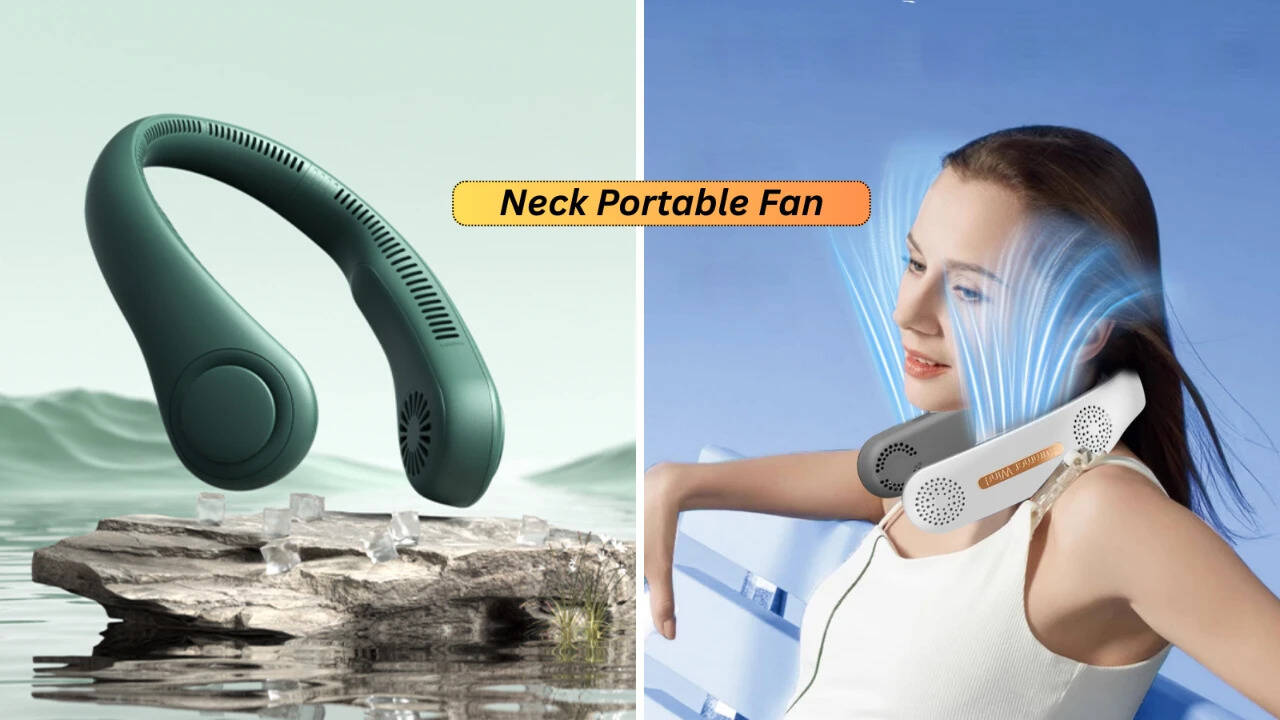
As Europe's heatwave death toll surpasses 30,000, scientists are urging companies to explore innovative cooling solutions for their offices. One such solution, a 20-year-old wearable neck fan, has shown promising results. A recent study published in the journal E3S Web of Conferences discovered that these neck and face fans performed nearly as well as bladeless desk fans in cooling office workers.
While less powerful than traditional fans, they offer several advantages: lower energy consumption, reduced disruption to coworkers, and targeted cooling for sensitive areas like the neck and face.
The study involved testing four devices - a neck fan, a face fan, a traditional bladed desk fan, and a bladeless desk fan - at both low and high speeds. Instead of relying on human subjects, researchers used a life-sized thermal manikin dressed in standard summer office attire to measure the cooling effectiveness of each device. The manikin was placed in a test room set to a warm 77 degrees Fahrenheit, which caused noticeable discomfort without being extreme.
The neck fan, despite producing a smaller, more localized breeze, performed nearly as well as the bladeless desk fan overall. This was attributed to the thermosensitive nature of the neck and face, which account for only about 5.5% of a person's total body surface area but play a crucial role in overall temperature regulation and perceived comfort.
While these fans may not match the raw cooling power of traditional bladed fans, they offer significant benefits such as lower energy use, reduced noise levels, and targeted cooling that avoids disturbing nearby coworkers.
In regions where offices lack reliable air conditioning, these wearable neck fans could serve as a cost-effective alternative to full building-wide cooling. As the shift to hybrid work continues, some employers may opt to raise the thermostat and provide employees with personal wearable fans instead, presenting a cheaper alternative to traditional cooling methods.
Written by urgent.news from Times of India's reporting — not their text. Machine-written — may contain errors; check the original before relying on it.