Electric vehicle shift lags amid infrastructure gaps
• PM’s 30pc target stalls as OMCs expand outlets without chargers • Petrol demand stays robust on two-wheeler boom KARACHI: The government is considering several options to reduce the fuel import bill, the latest being the upgrade of refineries at an estimated cost of $6 billion. Earlier efforts to reduce petrol imports by promoting compressed natural gas (CNG) in the automotive sector faltered…
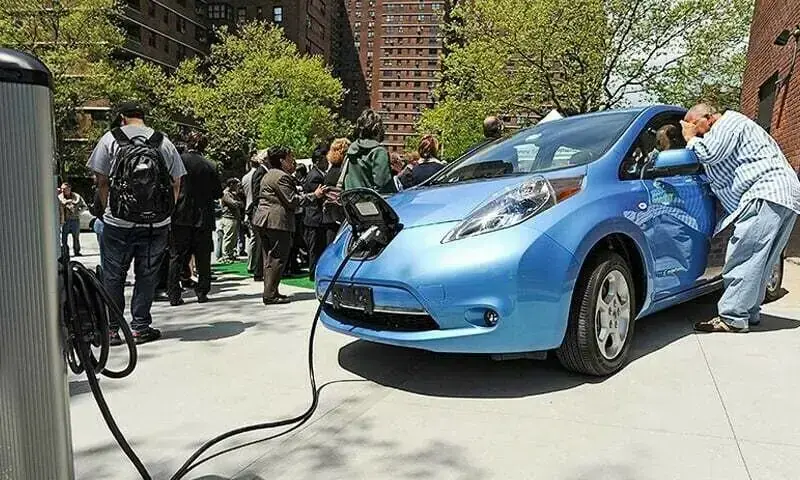
Pakistan's Prime Minister is targeting a 30% shift to electric vehicles within five years, aiming to save $4.5 billion annually on fuel imports. However, progress is being hindered by inadequate infrastructure and a lack of charging stations. OMCs are focused on expanding retail fuel outlets, with limited investment in EV charging facilities. The government is considering a $6 billion refinery upgrade to reduce the fuel import bill.
Earlier efforts to promote compressed natural gas in the automotive sector faltered due to gas shortages. Despite this, consumers are gradually shifting to electrified vehicles, including hybrid electric vehicles, range-extended electric vehicles, and pure battery EVs. Oil marketing companies reported adding new retail outlets and EV charging facilities, but little progress on charging infrastructure.
Pakistan State Oil deployed nine EV charging stations along the Karachi-to-Peshawar corridor, and its retail network grew to 3,638 outlets nationwide. Attock Petroleum Ltd commissioned 33 new outlets, expanding EV charging and on-grid solar installations at selected outlets and terminals. Industry stakeholders say petrol demand will remain robust due to the popularity of two-wheelers, with 60-65% of them running on petrol.
Written by urgent.news from Dawn's reporting — not their text. Machine-written — may contain errors; check the original before relying on it.
This story
This is one outlet's version. Read the fullest account.