Childhood vaccines shortage sparks health crisis in Houthi-controlled Yemen
A severe shortage of childhood vaccines in Houthi-held areas of Yemen raises fears of deadly disease outbreaks and a worsening health crisis.
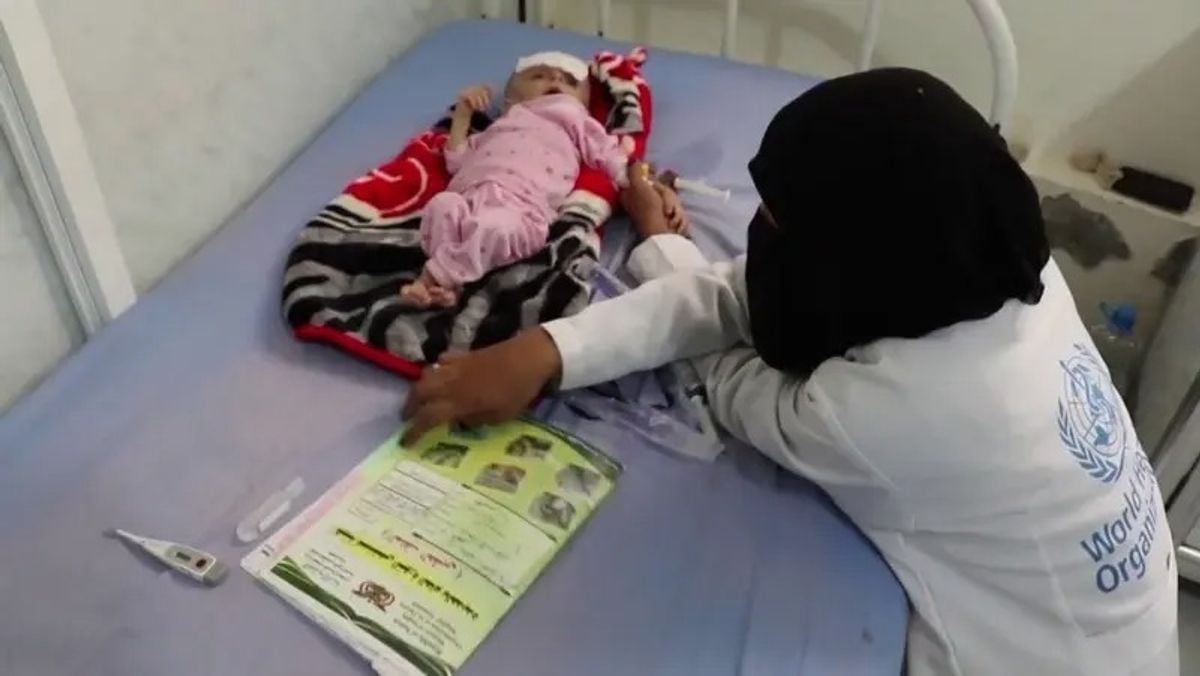
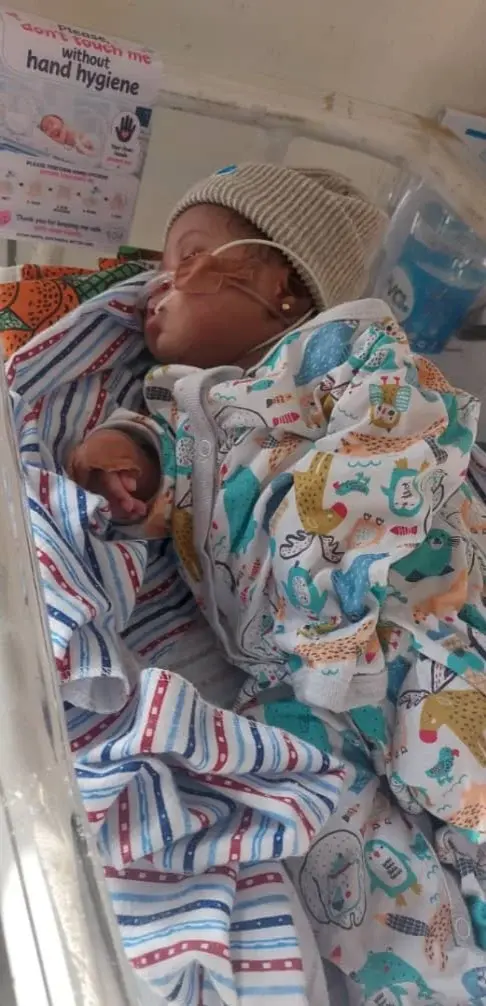
A severe shortage of essential childhood vaccines has triggered fears of deadly disease outbreaks and a worsening health crisis in Houthi-controlled areas of Yemen. Vital immunizations for premature and newborn infants, as well as other preventive measures, have been depleted in public and private hospitals, maternal and child health centers in Sanaa, according to medical and media sources.
The Yemen Future platform reported that the shortage of necessary vaccines for young children has become critical, with some life-saving types completely running out. This leaves thousands of newborns highly vulnerable to preventable diseases that require regular doses for protection. Medical sources warn that continued deprivation of vaccines in health facilities could result in the resurgence of hazardous diseases like polio and measles, which Yemen had made significant strides in controlling recently.
Houthi health authorities are accused of disregarding medical warnings and imposing restrictions that obstruct the distribution of vaccines to hospitals and child care centers, exacerbating the crisis in a health sector already compromised by years of conflict. Medical sources attribute the worsening vaccine crisis to the Houthi group's violations and ongoing restrictions on the operations of international humanitarian organizations, particularly the United Nations Children's Fund (UNICEF).
These actions have led to the closure of offices and suspension of activities crucial for funding immunization programs and delivering vaccines.
The widening gap in community immunity poses a threat to public health, potentially exposing the country to epidemic waves that will be challenging to contain. As the number of unvaccinated children increases, so does the risk of outbreaks and mass fatalities.
Written by urgent.news from Ajel English's reporting — not their text. Machine-written — may contain errors; check the original before relying on it.