Behind the Nepal-China border floods lie bad politics
As the waters of the Bhotekoshi and Trishuli rivers recede, leaving behind mud, debris and damaged infrastructure, a familiar pattern is visible in Nepal. When disaster strikes, the country’s usual political divisions, cronyism and institutional mistrust give way, for a while, to real unity. Across party lines, political leaders worked around the clock alongside security forces. Digital channels…
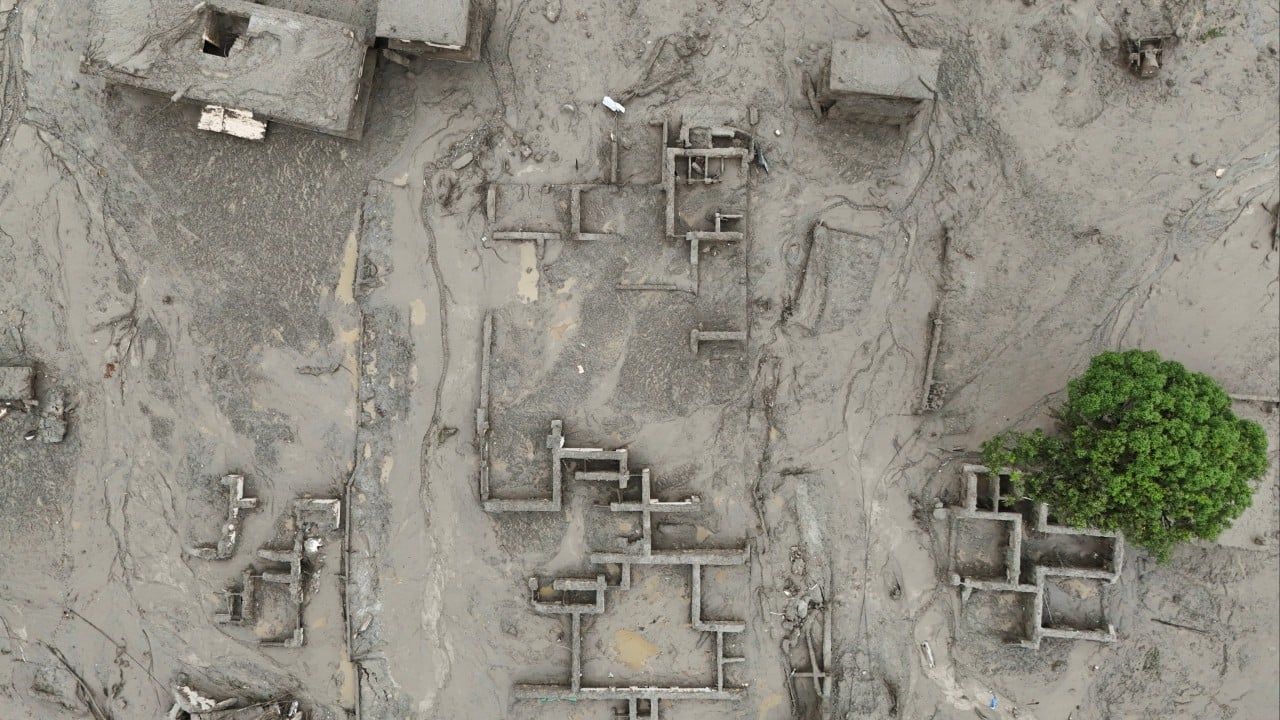
The receding floodwaters in Nepal have exposed a recurring pattern of political divisions, cronyism, and mistrust emerging in the wake of disasters. Across party lines, leaders and security forces collaborated to provide relief. Digital channels, a one-door policy, and unrestricted communication channels were established to coordinate relief efforts.
Yet, a troubling governance trend threatens to resurface: treating disasters as unforeseeable natural phenomena. A natural trigger, such as a glacial collapse, sets off a disaster, which is influenced by human decisions surrounding the trigger. Initially reported as a 4.4-magnitude earthquake, the event was actually a massive rock and ice collapse from a glaciated mountain in Langtang National Park.
This triggered a debris flow that traveled over 100 kilometers downstream. An unstable lake upstream remains a concern. While the scientific explanation is part of the story, framing the devastation solely as a natural event can be a convenient narrative for authorities, as it deflects blame from their decisions and accountability.
The downstream destruction was not merely an unavoidable tragedy, but a reflection of choices embedded in Nepal's political economy. Building codes and environmental safeguards are often disregarded or bypassed through cronyism, nepotism, and manipulated ESG standards. Local leaders frequently build infrastructure to secure votes and reward allies, rather than following engineering assessments.
Hydropower projects are approved rapidly for profit, without thorough, climate-resilient evaluations. Unchecked riverbed encroachments and unregulated sand mining further exacerbate the situation. During crises, governments often operate under a "state of exception," temporarily loosening rules for speed, but this should not extend to recovery, rehabilitation, and reconstruction phases.
Reconstruction necessitates open, auditable data revealing why certain communities were vulnerable and holding officials accountable. The disaster also highlights a regional oversight. Allegations of China delaying early warnings have surfaced, though Beijing has denied them. Regardless, it is evident that managing the Himalayas through narrow security lenses and border rivalries must change.
Transitioning to ecological geopolitics is urgent. Institutions like the International Centre for Integrated Mountain Development (ICIMOD) must push for a binding, rules-based order for climate adaptation across the Hindu Kush Himalaya region. Nepal's domestic governance flaws coincide with the gap between wealthy, high-emitting nations' climate finance commitments and their delivery.
Major carbon emitters, including the United States, have not translated promises into consistent climate loss and damage funding. Nepal, contributing little to global emissions, often finances recovery through loans rather than grants, adding debt to disaster. To move beyond emergency solidarity, Nepal must prioritize systemic institutional accountability.
This includes mandatory risk audits with legal liability, transparent reconstruction dashboards, upstream risk management, regional cooperation, and a stronger stance in climate diplomacy.
Written by urgent.news from South China Morning Post's reporting — not their text. Machine-written — may contain errors; check the original before relying on it.