Angola Is Emerging as One of Africa’s Most Important Gateways to the Asia-Pacific
The story of its success has not been straightforward.
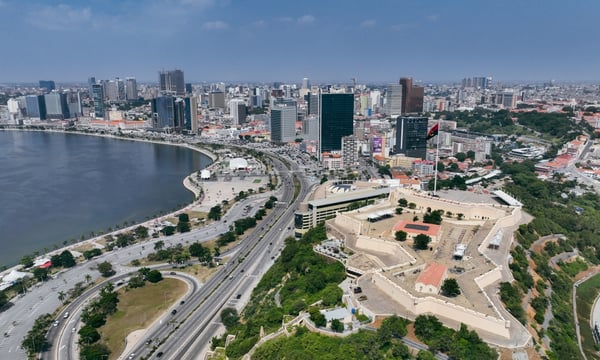
Angola's coastal city of Lobito, located in the western part of Africa, is emerging as a significant industrial port city and the second-largest port along the country's coastline. The growth of this port is attributed to its strategic position as the head point of the internationally funded Lobito Corridor. The success of Lobito has not been without challenges; the city's export economy has historically focused on oil exports but has recently shifted towards minerals such as cobalt and copper, mined from the Democratic Republic of the Congo and Zambia. The Benguela Railway carries these critical minerals into the heart of Africa.
Oil markets have been volatile, and in 2014, a decrease in global oil prices plunged Angola into a severe economic depression. This downturn prompted the country to diversify its market and focus on global trade. Recently, Angola has successfully repaid the majority of its infrastructural loans to China, reducing its total borrowing from $45 billion in 2000 to approximately $12 billion today.
The country has paid off more than necessary during its payment cycles, showcasing an "Angola Model" of using oil-backed loans that have proven advantageous during recent increases in global oil prices.
For loans where oil revenues do not contribute to repayment, Angola has found innovative solutions to ensure fiscal sustainability. One example is a "debt-for-education" swap with the World Bank's Multilateral Investment Guarantee Agency in March. The agreement converts debt repayments into investments in education, specifically aimed at empowering girls' school attendance, human capital, and access to education across 21 provinces.
The $400 million deal was finalized in late July, with disbursements to over thirty schools beginning immediately, impacting more than 32,000 students.
In the face of the Gulf crisis, which has hampered energy supplies for much of Asia, Angola has seized the opportunity to expand its market. President João Lourenço inaugurated a major aluminum plant in Bengo Province in January, producing 240 tons of ingots daily. This factory is filling the 9 percent gap in supplies caused by the closure of the Hormuz Strait.
Furthermore, Angola's natural gas reserves are contributing to $2 billion in new investments for an Ammonia-Urea complex, which is expected to produce around 4,000 tons of fertilizer per day upon opening in 2027.
Angolan trade is not only expanding into novel markets but also tapping into traditional ones. Australia, Vietnam, and Hong Kong are likely to increase imports from Angola. While the oil sector dominates these new networks, it leads to expanded cooperation along the supply chain, particularly as Angolan markets develop more value-added industries. These emerging links are of particular significance for the Asia-Pacific, where energy and industrial input demands are reshaping supply chains.
For Vietnam, Prime Minister Lê Minh Hưng has called for accelerated cooperation with Angola, considering the country's role as Chair of the African Union. He suggested that Vietnam will function as Angola's gateway into ASEAN, seeking multi-layered market integration beyond bilateral relations. China, Angola's second-largest African partner by oil exports, also plays a significant role in the country's relationship with the Asia-Pacific.
South Korea has similarly advocated for new approaches to the Angolan relationship, partly in response to prioritizing new oil and LNG supply chains following the Gulf crisis.
Written by urgent.news from The Diplomat's reporting — not their text. Machine-written — may contain errors; check the original before relying on it.