American taxpayers have spent $33 billion on sports stadiums. They got fewer seats—and higher prices
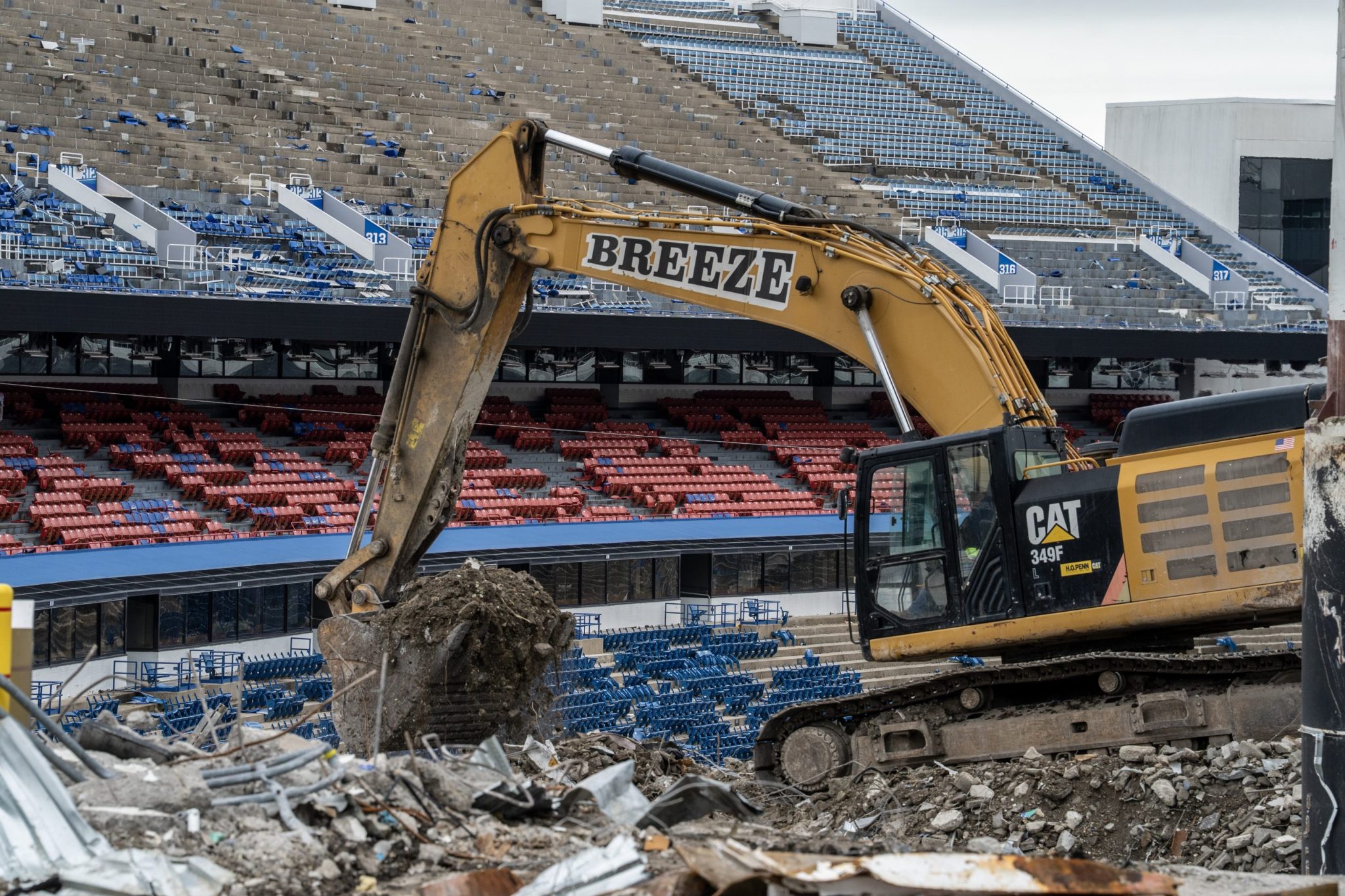
From 1970 to 2020, state and local governments invested a staggering $33 billion in major-league sports arenas across the United States and Canada. This average public contribution accounted for 73% of construction costs. However, the trend has continued post-2020, with more than $13 billion in taxpayer subsidies proposed for new construction and renovations in 2024 alone.
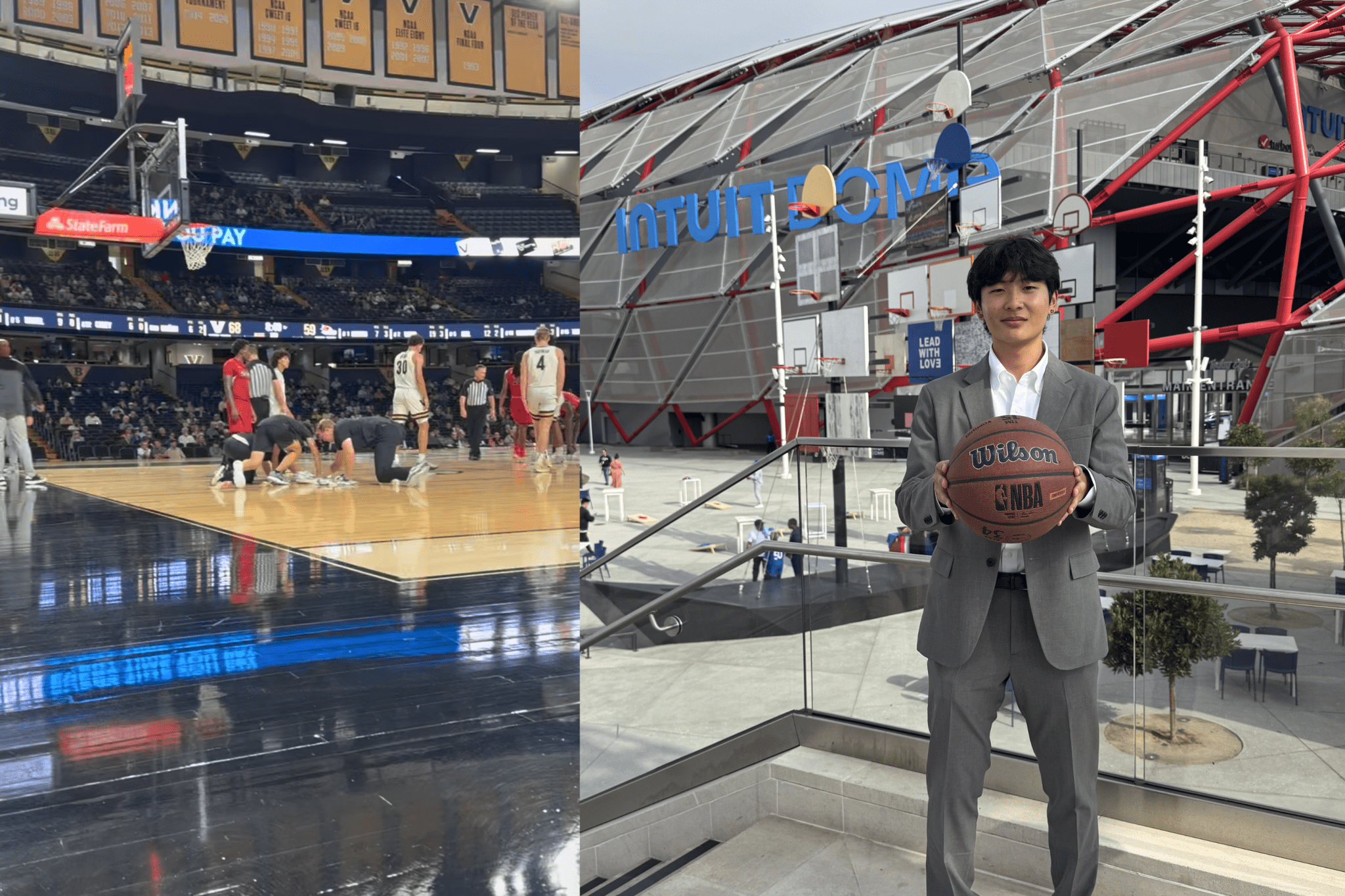
New stadiums often feature fewer general seats, replaced with luxury suites, and prices for these premium seats have skyrocketed. The average NFL ticket price nearly tripled between 2015 and 2025, with a 173% increase when adjusted for inflation. The Buffalo Bills' new stadium, Highmark Stadium, is set to open this September with only 60,108 seats, down from the previous 71,608.
The public funds allocated for the stadium amounted to $850 million, resulting in a reduction of 11,500 seats and personal seat licenses priced as high as $50,000 per seat. The opening night resale market already lists admission tickets at $663.
The NFL, NBA, and MLB consistently follow this pattern of constructing smaller stadiums with more luxurious seating options and higher ticket prices. According to Victor Matheson, an economics professor at the College of the Holy Cross, "No one has ever built a new stadium and provided more affordable tickets after that new stadium has opened. It's, in fact, exactly the opposite."
The incentive structure encourages teams to prioritize super-premium experiences over making tickets accessible to the general public. The revenue from premium seats and luxury boxes is not shared with other league members, allowing owners to maximize profits on their own terms. FIFA has also raised ticket prices significantly for the 2025-2026 World Cup, with an average increase of 34% across more than 90 matches.
Cities across the U.S. compete with each other to attract businesses and companies by offering public funds in the form of tax incentives. In 2018, Amazon sought bids from 238 cities for its second headquarters, with New York ultimately offering $3.5 billion in tax incentives to win the deal. The $850 million publicly funded Buffalo Bills stadium could be seen as a result of this competition, serving as a ransom to prevent the team from leaving a city that could easily offer such a substantial public subsidy.
Written by urgent.news from Fortune's reporting — not their text. Machine-written — may contain errors; check the original before relying on it.