With Tukaram Mundhe’s crackdown, a question: Why celebrate civil servants for doing their jobs?
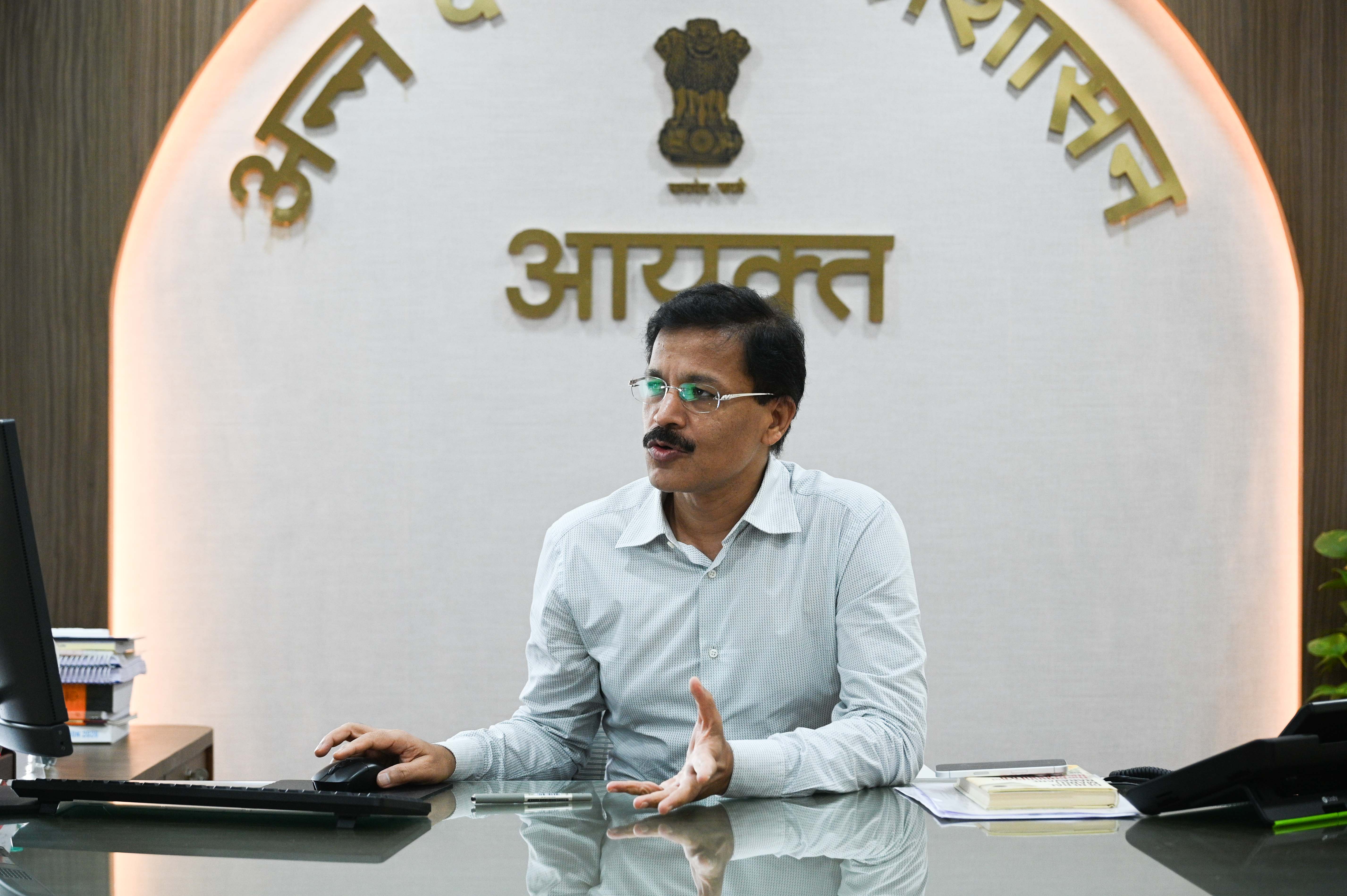
Celebrating civil servants merely for performing their duties raises an unsettling question. Tukaram Mundhe, Maharashtra Food and Drug Administration Commissioner, has been intensively inspecting eateries, exposing unsanitary conditions, expired food, pest problems, unsafe storage, and adulteration. His actions have led to suspensions and closures, generating a public spectacle.
However, this enthusiasm masks a larger issue: the state's diminishing presence in protecting consumers. The standard of what the government is expected to achieve has lowered, and we have become accustomed to negligence and lax enforcement. This trend is not unique to food safety; it extends to other sectors like pharmaceuticals, healthcare, infrastructure, and public spaces.
Corruption, local political and bureaucratic interests, and lack of accountability contribute to the tolerance of these risks. India must compare itself not only on economic growth but also on consumer protection and enforcement. Laws are ineffective when detection is unreliable and consequences are insufficient. Enforcement should be swift, certain, and severe enough to deter misconduct.
A law that is rarely enforced becomes a mere suggestion, while a penalty that can be easily absorbed is considered the cost of doing business. When the headlines fade, the risk remains manageable. The political system must address why enforcement is unpredictable and consequences negotiable. Tough officers can increase the cost of corruption for a sector, but they cannot dismantle the underlying corruption.
The political system's response to such actions is often favorable during intense public attention but may falter when enforcement clashes with political or influential business interests. Citizens should scrutinize the system to determine whether it values independent administration or merely tolerates the facade of it. The Singham archetype, a fearless officer who delivers instant justice, has shaped our response to such situations.
However, the reality is that a republic cannot rely on finding such officers every time the system needs to function. Bureaucrats must remain politically neutral, implement policies, and serve the public interest. However, their postings and transfers can be used as tools of reward and punishment. The vulnerability of civil servants creates a rational survival instinct to avoid controversy.
Politicians must accept responsibility for the institutional consequences of their actions, while bureaucrats must uphold institutional integrity. The answer lies in creating a system where professional integrity is easier, political interference is harder, administrative failure is visible, and retaliation against officials is costly.
This requires a strong regulator that is proportionate, accountable, and follows due process. Ultimately, the political question is more fundamental: where are the pillars of democracy when citizens accept unsafe conditions as the price of everyday life?
Written by urgent.news from The Indian Express's reporting — not their text. Machine-written — may contain errors; check the original before relying on it.