Where Penang’s wartime stories still linger
At the Penang War Museum, tunnels, barracks and gun emplacements offer a rare glimpse into life at a former British fort shaped by World War II.
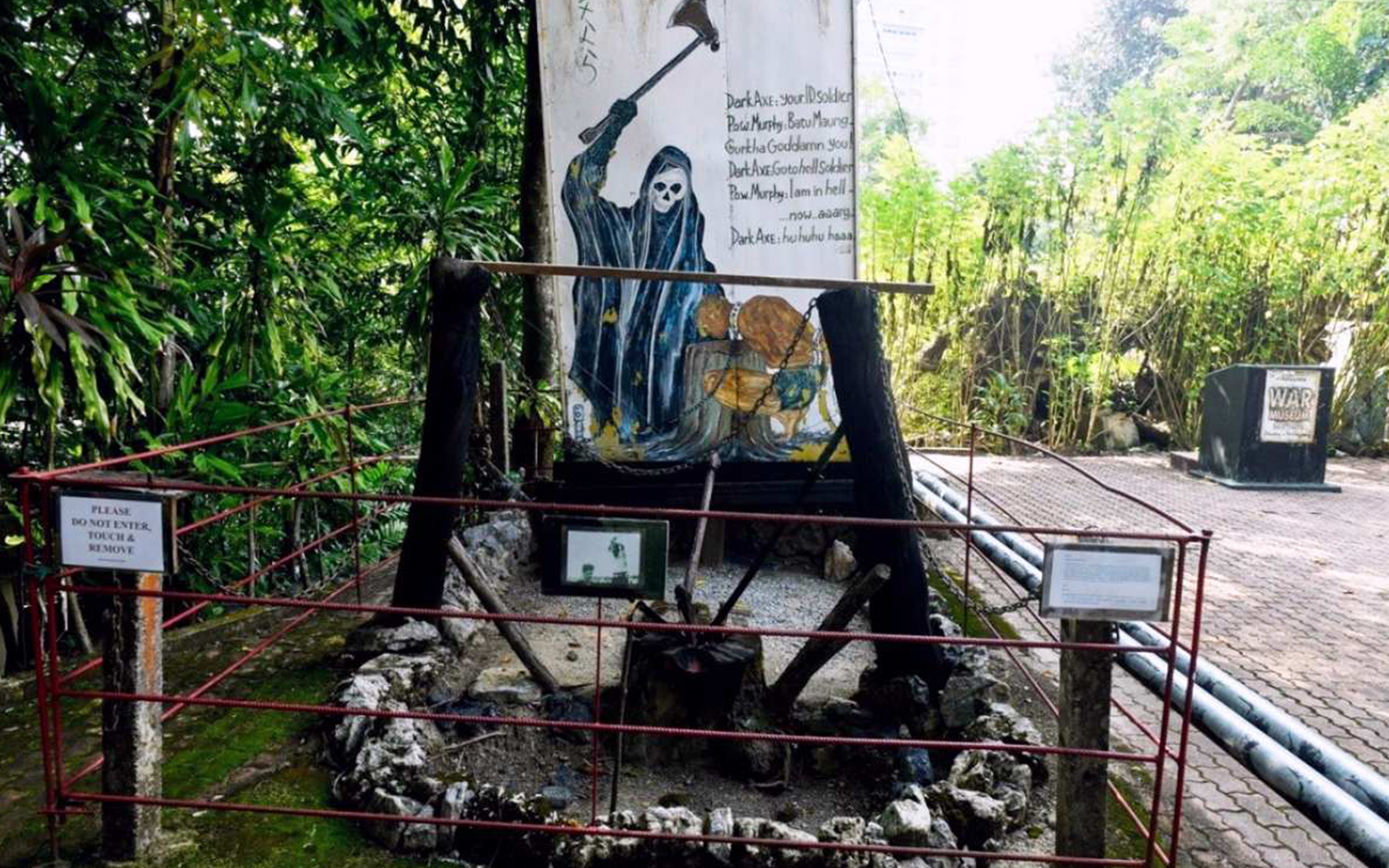
At Penang's War Museum in Batu Maung, visitors can experience history through the tangible remnants of the British military fort that once stood over the sea. Rather than relying on replicas, the museum preserves the fort in its original state, allowing guests to walk through tunnels, old barracks, and gun positions that played a part in World War II. Founding member Johari Shafie explains that this approach provides a more authentic and engaging learning experience for students and tourists alike.
Constructed in 1930 and completed in 1939, the fort boasted a panoramic view of the sea and included tunnels, barracks, observation posts, gun emplacements, lockups, and ammunition storage areas. During the Japanese Occupation (Dec 16, 1941 - Sep 12, 1945), the site functioned as a prisoner-of-war camp, with some prisoners later transferred to locations like Kanchanaburi in Thailand and Kranji in Singapore.
Today, the museum showcases original military structures, including cannon emplacements and ammunition stores. While the site is physically demanding due to its uneven terrain and hillside layout, it offers a unique outdoor historical landscape that immerses visitors in the atmosphere of wartime Penang. The museum's authenticity extends beyond the physical structures, as firsthand records of former prisoners of war offer intimate glimpses into the lives of those who endured captivity at the fort.
Although preservation efforts face challenges related to maintenance costs and the need for specialized staff, the Penang War Museum remains a distinguished member of the International World War II Museum Association, representing Southeast Asia. During National Month, the stories preserved within the fort take on added significance, offering an opportunity to appreciate the island's wartime history through personal accounts and firsthand experiences.
Written by urgent.news from Free Malaysia Today's reporting — not their text. Machine-written — may contain errors; check the original before relying on it.
This story
This is one outlet's version. Read the fullest account.
- Where Penang’s wartime stories still linger freemalaysiatoday.com