When hockey hurts and shames Malaysia
Malaysia’s worst World Cup finish was a coaching failure, but the deeper disgrace is a system that has spent years failing to produce the depth and succession the sport needs.
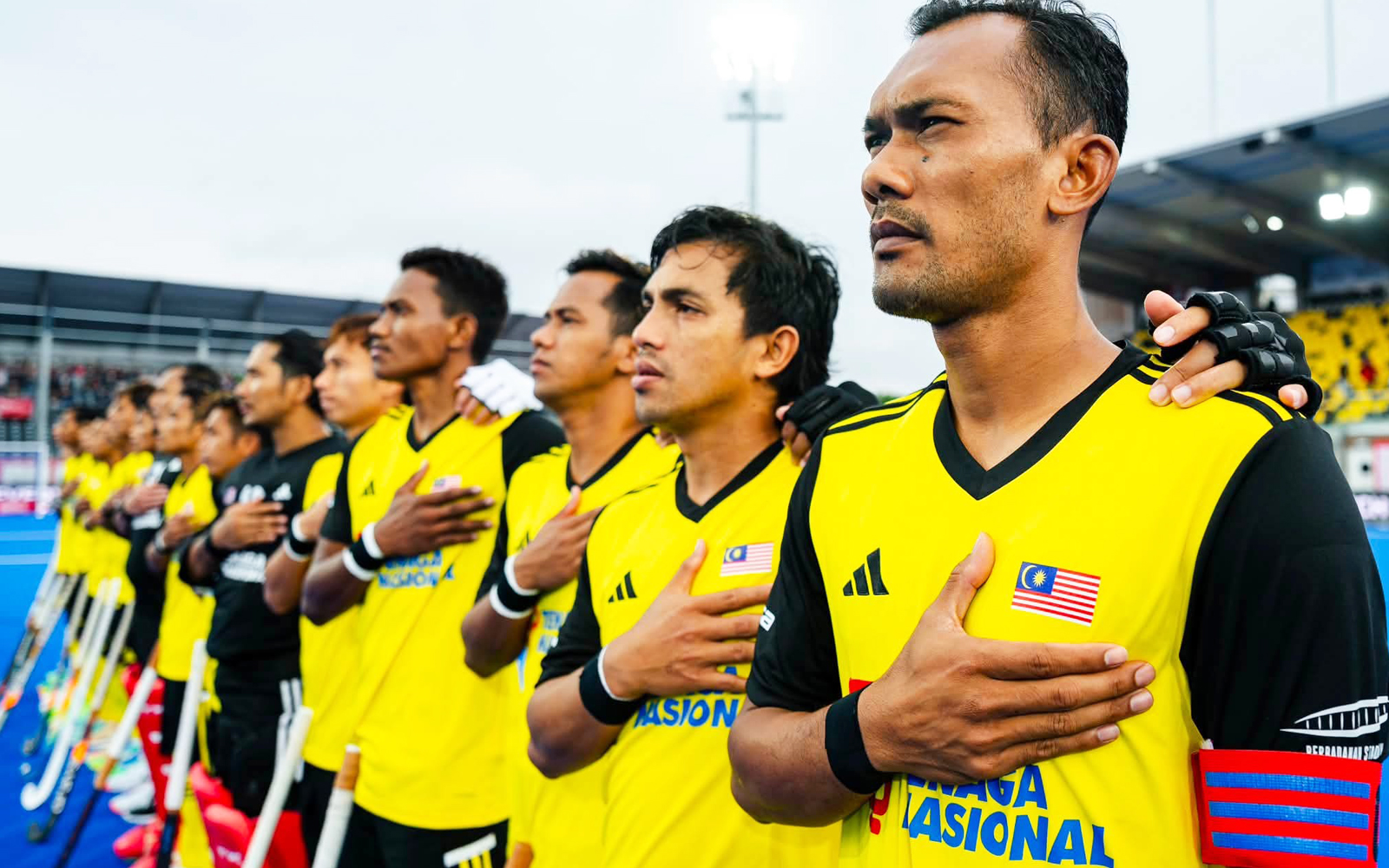
Malaysian hockey faced a devastating setback when the national team suffered a crushing 15th-place finish at the 2026 World Cup in Belgium. To mark this somber occasion, a minute's silence was observed before the match, honoring Sarjit Singh, the former coach who had recently passed away at the age of 63. Sarjit had returned as coach in 2024, leading Malaysia to a fourth-place finish at the 2023 Nations Cup in Egypt and securing the coveted World Cup berth that brought the team to Belgium. However, he would not see Malaysia achieve this success, as the team ended the tournament last.
With this loss, Malaysia suffered its worst-ever World Cup finish in a decade of appearances. The country had once taken immense pride in its hockey, having claimed the fourth-place position at the 1975 World Cup in Kuala Lumpur and nearly reaching the semi-finals during the 2002 home tournament. This recent failure has left many Malaysians questioning how a sport that once inspired so much pride could decline so significantly.
The Malaysian Hockey Confederation had set ambitious goals, aiming for the quarter-finals. However, the team went through six matches without a single win, ultimately finishing 16th. The primary culprit behind this debacle is widely regarded as coaching failure. Brendon Carolan, the team's coach, must shoulder the blame for Malaysia's subpar performance.
Carolan's team exhibited a range of weaknesses, including slow starts, defensive lapses, poor transition defense, concentration lapses, and an inability to protect leads. For example, against Wales, Malaysia led 2-1 after Akhimullah Anuar Esook scored, only for Wales to equalize shortly after. Malaysia had seven penalty corners but failed to capitalize, while Wales took their opportunities when they mattered.
While Carolan can bear the brunt of the criticism, the deeper issues lie within the sporting system that failed to produce enough players capable of replacing the aging core. Former national captain Maninderjit Singh pointed out that the team has become overly reliant on an aging group of veterans. Hafizudin Othman, Marhan Jalil, Fitri Saari, and Faizal Saari bring invaluable experience, but their presence alone cannot ensure future success.
Maninderjit emphasized that the veterans should not be the only choice, as the pathway should have prepared their successors. The warning signs have been evident, with Malaysia finishing 12th at the 2023 Junior World Cup and 13th at the 2025 edition, indicating a struggling junior program.
The root of the problem lies in the lack of a comprehensive four-year plan. With the Asian Games approaching, followed by other tournaments like the Asian Champions Trophy, the Sultan Azlan Shah Cup, another Junior World Cup, and the race for Olympic qualification, the senior players are expected to endure an excessive workload, risking injury and burnout.
Maninderjit warned that a crowded schedule is not a sign of progress; rather, it is a symptom of a lack of a proper development plan. Malaysia requires more than just a roster of players; it needs a solid foundation of young talent with the ability to step up and perform at the highest levels. This includes developing a reliable goalkeeper, resilient defenders, dynamic midfielders, and effective substitutes who can seamlessly integrate into the team's rhythm without causing fatigue or confusion.
The ultimate goal for Malaysia is to secure an Asian Games gold medal and secure a spot at the 2028 Olympics. However, the current team faces a formidable challenge, as they would need to defeat strong opponents such as India, Pakistan, China, South Korea, and Japan. The loss to Wales has not only highlighted the team's decline but also serves as a stark reminder that the path to Olympic qualification is no longer a simple ascent.
The Malaysian hockey community must now focus on addressing the underlying issues and developing a robust plan to create the necessary depth and talent pool to compete on the global stage.
Written by urgent.news from Free Malaysia Today's reporting — not their text. Machine-written — may contain errors; check the original before relying on it.
This story
This is one outlet's version. Read the fullest account.
- When hockey hurts and shames Malaysia freemalaysiatoday.com