Viking woman’s clothes preserved by her jewellery for 1,300 years
Danish archaeologists discovered rare Viking textile remains near Varde. Corrosion from jewelry preserved these ancient wool and linen fragments. This discovery offers a rare glimpse into Viking dress from 1,300 years ago. Researchers will analyze the fibers and teeth for more information. Dating the textiles will reveal if ornaments were new or inherited.
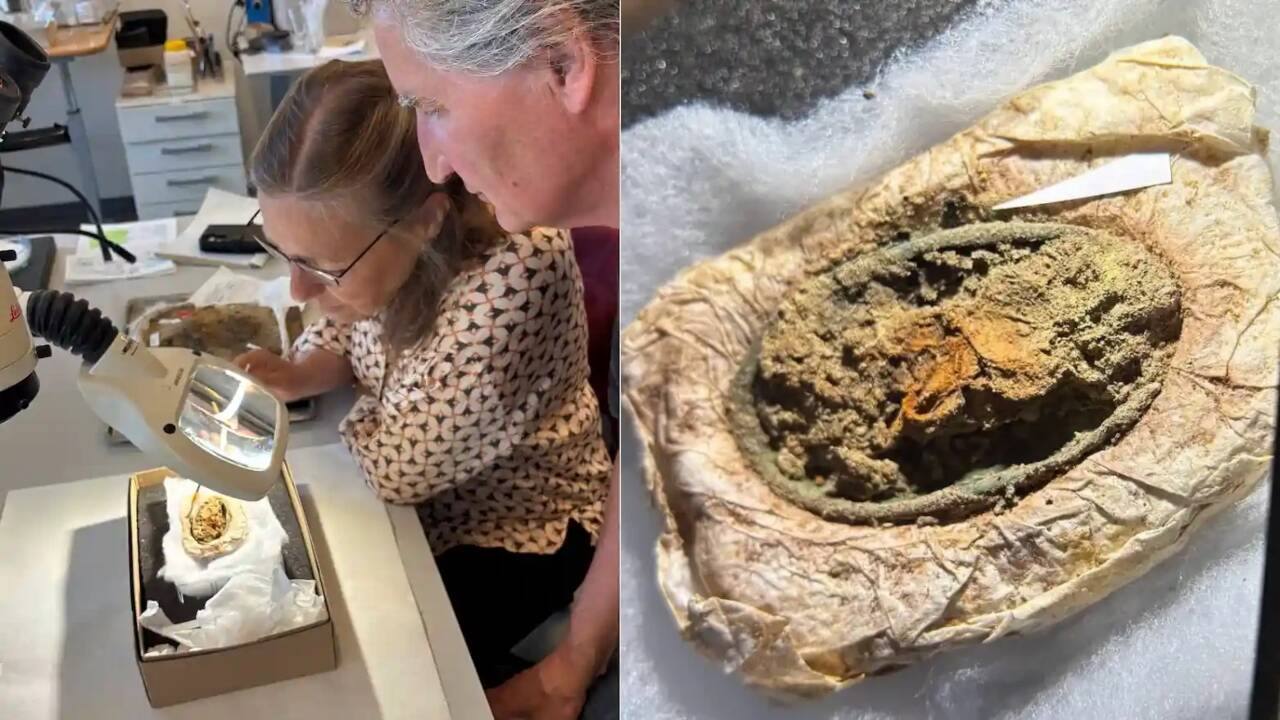
Near Varde in Western Jutland, Danish archaeologists have discovered fragments of 8th-century Viking woman's clothing, remarkably preserved by her jewelry. The Skonager site (ARV 661) yielded remnants of wool and linen clothing, clinging to two brooches once used to fasten the garment. Thanks to the metallic salts released by the corroding bronze and silver brooches, the acidic soil environment halted decay, enabling these textile fragments to survive for over 1,300 years.
Excavations at the site yielded rare textile remnants from Viking Age burial, offering a glimpse into Viking fashion from 1,300 years ago. The Vejle Conservation Center meticulously extracted and analyzed the fragile remains, determining weaving patterns, thread quality, and technical skill involved. Radiocarbon dating will establish the precise age of the textile, while specialists examine the teeth for insights into the woman's health, diet, and childhood.
The brooches' repair marks suggest they were a combination of new and inherited, raising questions about the woman's social status and the significance of her burial. Researchers also aim to identify the fabric's color, which could provide insights into the woman's social standing and the symbolic meaning of her attire.
Written by urgent.news from Times of India's reporting — not their text. Machine-written — may contain errors; check the original before relying on it.