Urgent.News

What's breaking now, across thousands of outlets.

World

Trump says US clinches ‘biggest oil deal in world history’ with Venezuela worth nearly US$100b

WASHINGTON, Aug 29 — President Donald Trump said Friday his administration has reached a huge oil deal with Venezu...
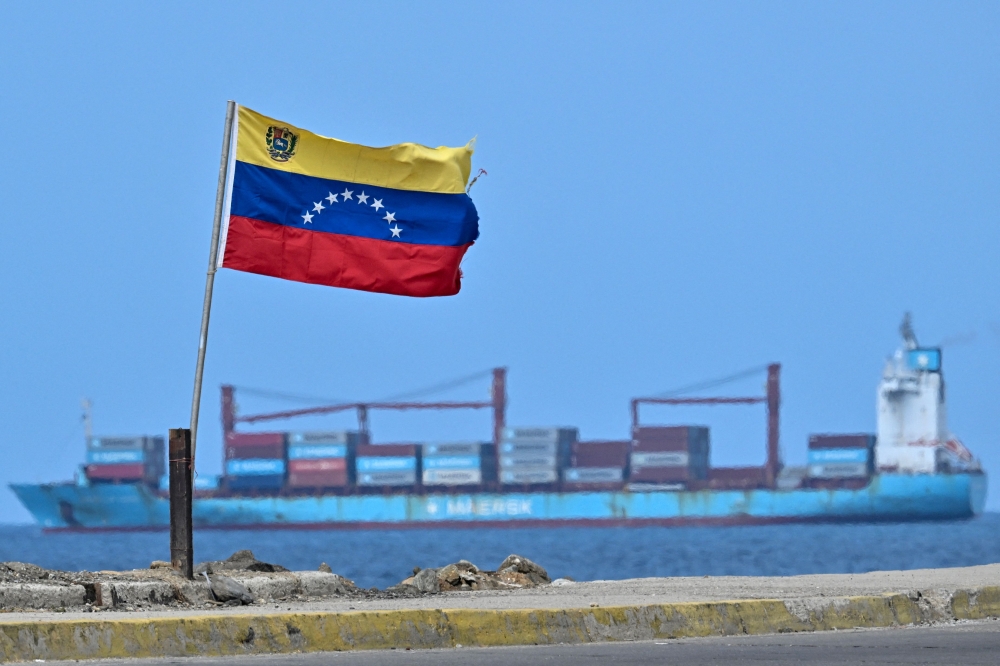
Trump says US clinches ‘biggest oil deal in world history’ with Venezuela worth nearly US$100b

President Donald Trump announced on Friday that the United States has secured a monumental oil deal with Venezuela, resulting in the country granting majority control of 65 billion barrels of proven petroleum reserves to America. The administration is calling this transaction "the biggest oil deal in world history," which is expected to generate nearly US$100 billion (approximately RM402.6 billion) in private investment for Venezuela, as stated by US Secretary of State Marco Rubio.

Venezuela is the nation with the world's largest proven oil reserves, and since January, its government has faced intense pressure and scrutiny from the Trump administration following the ousting and capture of former President Nicolas Maduro. Despite this, the interim leader, Delcy Rodriguez, continued to serve under the conditions of aligning with the US.

Trump's announcement on his Truth Social platform emphasized the deal's potential to double the US's oil reserves. Although the Venezuelan government has not yet confirmed the arrangement, Trump claimed that Secretary of State Marco Rubio and Defense Secretary Pete Hegseth brokered the deal "through a partnership with private business."

According to Trump, this transaction will bolster the already strengthening relationship between Venezuela and the United States. Rubio highlighted how this deal aligns with President Trump's "bold foreign policy" by securing stable oil reserves and low-cost oil for the hemisphere, which will subsequently reduce gas prices in the US.

The deal is projected to bring approximately US$100 billion (RM402.6 billion) in private investment, create thousands of high-paying jobs, and aid in Venezuela's economic reconstruction. Axios reported earlier that the two countries were negotiating over a dozen productive oil fields containing 90 billion barrels of proven reserves, representing about a third of Venezuela's total proven reserves of 300 billion barrels.

In exchange for a US ownership stake, American firms would develop the fields and return more oil revenue to Venezuela. The deal is expected to more than double US oil reserves at a time when the US strategic petroleum reserve is at a 40-year low. Trump further asserted that the deal will lower gasoline prices for Americans, a significant concern as his approval ratings decline ahead of the November midterm elections following the US's intervention in Iran, which has disrupted global oil supplies.

The Trump administration has long encouraged US companies to invest in Venezuela; however, many remain hesitant due to the country's deteriorating infrastructure and the history of foreign investors' assets being appropriated by the Venezuelan government. Chevron, the only US oil company still operating in Venezuela when Maduro was removed from power, reported in July that it had increased its daily crude production to 280,000 barrels and plans to boost output by an additional 50% by the end of 2028.

Written by urgent.news from Malay Mail's reporting — not their text. Machine-written — may contain errors; check the original before relying on it.

Also reported by 3 other outlets

Read the original at malaymail.com →

More in World

Meta is taking a new approach in its crusade to pressure fellow tech giants TikTok and YouTube into joining its efforts to protect teenagers on social media. On October 30, the company published a full-page ad in The New York Times, calling on the companies to work together to protect young users. Meta’s ad, headlined “It’s time for a teen safety summit,” appeared alongside a similar ad from Snap, the company that owns Snapchat. The ads are part of Meta’s ongoing campaign to position itself as a leader in protecting teens on its platforms, particularly after a series of internal documents leaked last year that showed the company knew its Instagram app was toxic for many teens, particularly girls. The leaked documents, which Facebook whistleblower Frances Haugen brought to light, showed that Meta’s own research found that Instagram can have a toxic effect on teenagers — particularly girls — when they use the app in a way that is passive, comparing their lives to the curated and manipulated content that other users post. Since then, Meta has taken a number of steps that it says are aimed at protecting teens, including parental controls on its Messenger app and a default setting that prevents adults from messaging teens they don’t follow. The company has also made some changes to Instagram, including hiding the number of likes on posts from users under 18. Despite those efforts, Meta is still under intense scrutiny from lawmakers and the public over its impact on teens. That’s why the company is now pushing its competitors to join it in taking steps to protect teens. “We are committed to providing teens with safe, age-appropriate experiences online and have spent a decade developing more than 50 tools and policies designed to protect them,” a Meta spokesperson said. “While we’ve made progress, we know there’s more work to do and are committed to continuing to work with experts, policymakers and industry peers to ensure young people have access to safe, age-appropriate experiences online,” the spokesperson added. The ad, which also ran in other major dailies, calls on TikTok and YouTube to join Meta in a “teen safety summit” that would bring together experts, policymakers and industry peers to discuss ways to keep young people safe online. A TikTok spokesperson said the company has “a number of initiatives underway to protect our users, particularly teens, and we look forward to continuing to work with industry peers and other stakeholders to ensure that young people have access to safe, age-appropriate experiences online.” A YouTube spokesperson said the company has “developed more than 50 features and policies to protect teens and families, and we look forward to continuing to work with others to ensure that young people have access to safe, age-appropriate experiences online.” Snap, which owns Snapchat, also ran a similar ad in The New York Times on October 30. The ads are part of a broader push by Meta to show that it is taking concrete steps to protect teens on its platforms. In September, for example, Meta launched a center that provides resources for parents and teens on how to use the company’s apps in healthy ways. The company has also taken steps to crack down on content that it deems can be harmful to teens, including limiting the reach of posts that contain what it calls “sensitive” content. Meta’s efforts to pressure TikTok and YouTube into joining its efforts to protect teens come as the company faces growing scrutiny over its impact on young users. Earlier this month, for example, dozens of states sued Meta over allegations that it knowingly engineered its platforms to be addictive to young users. The lawsuit, filed on October 25, claims that Meta’s platforms, including Instagram and Facebook, are “defective and dangerous” and that the company knowingly prioritized profits over safety. Meta has denied the allegations, saying that it has developed a number of tools and policies to protect young users. The company is also facing scrutiny from federal lawmakers, who have raised concerns about the impact of Meta’s platforms on young users. In September, for example, Meta CEO Mark Zuckerberg was grilled by lawmakers during a Senate hearing on the company’s efforts to protect teens on its platforms. Zuckerberg defended the company’s efforts, saying that Meta has developed more than 50 tools and policies to protect young users. But lawmakers expressed frustration that the company is not doing enough to protect teens. “We appreciate that Meta is committed to providing teens with safe, age-appropriate experiences online,” said Senator Richard Blumenthal, a Democrat from Connecticut. “But we need to do more to protect teens from the harms of social media,” Blumenthal added. The pressure on Meta and other social media companies to protect teens is growing as more research emerges about the impact of social media on young users. A recent study, for example, found that social media can have a toxic effect on teens, particularly girls. The study, which was published in the Journal of Adolescent Health, found that teens who spent more time on social media were more likely to experience depression and anxiety. The study’s findings are consistent with Meta’s own research, which found that Instagram can have a toxic effect on teens, particularly girls. The growing scrutiny of Meta and other social media companies is likely to continue as more research emerges about the impact of social media on young users. As the debate over social media’s impact on teens continues, Meta is likely to face continued pressure to do more to protect young users. Meta’s efforts to pressure TikTok and YouTube into joining its efforts to protect teens are part of a broader push by the company to show that it is taking concrete steps to address concerns about its impact on young users. The company is likely to continue to face scrutiny from lawmakers and the public over its impact on teens, and it remains to be seen how effective its efforts will be in addressing these concerns.

More from Saturday 29 August →