Thousands of Interstellar Objects May Be Lurking in Our Solar System
The Sun has likely passed so close to other stars in the past that it captured thousands of small interstellar objects from alien systems, reports a new study.
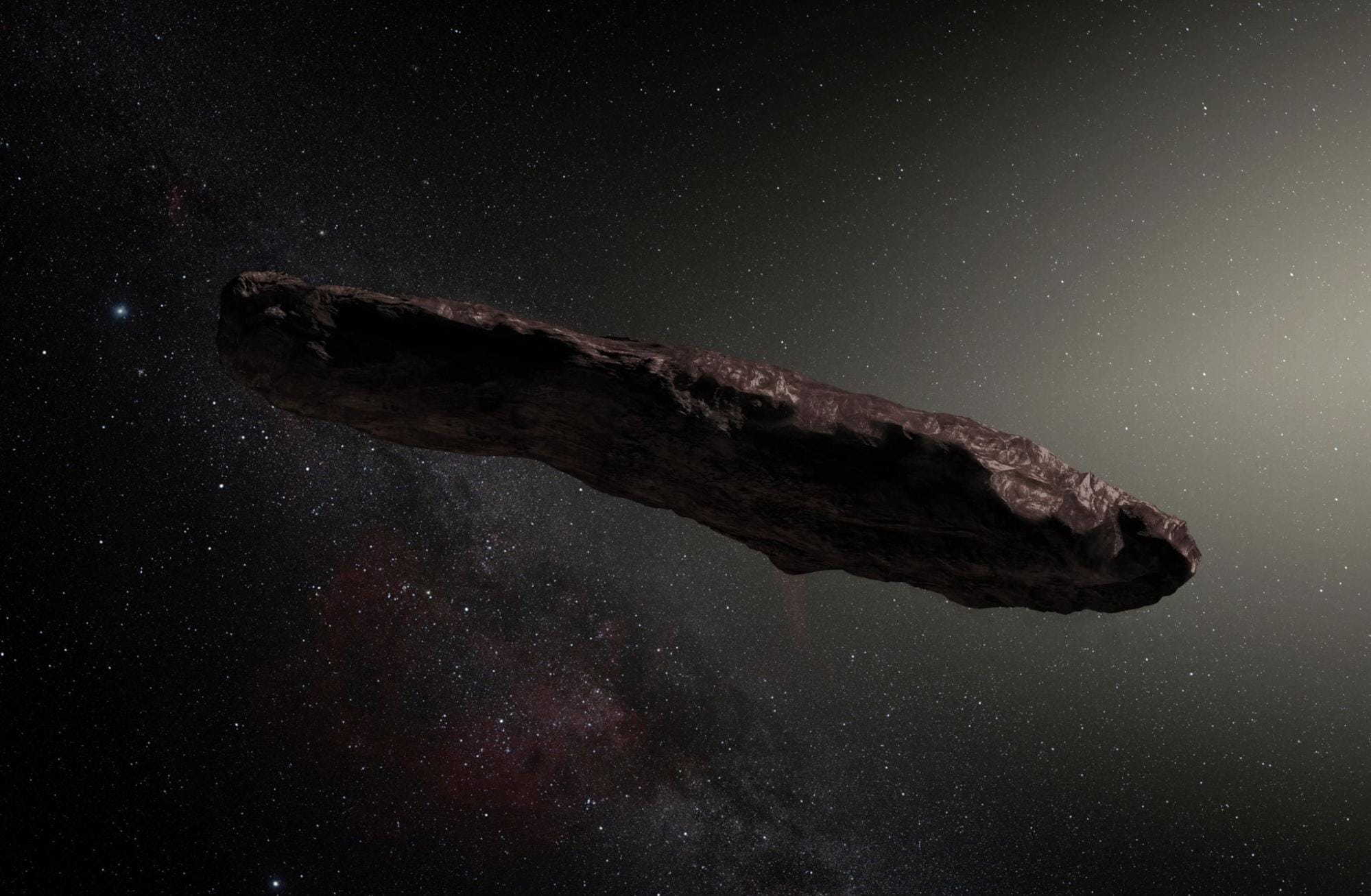
Thousands of interstellar objects may be hidden within our solar system, according to a new study. Scientists predict that these objects, originating from alien star systems, have been traveling through our cosmic neighborhood for billions of years. The Sun's proximity to other stars during its 4.6-billion year existence has likely allowed it to collect thousands of non-native objects from passing star systems.
Some of these objects may even have been sent off by our solar system to join alien star systems during stellar flybys. The study, led by Sean Raymond of the Bordeaux Astrophysics Laboratory, estimates that the Sun has had at least one or two close encounters with other stars during its lifetime, which could have contributed to the number of captured interstellar objects currently residing in the Oort cloud.
Written by urgent.news from 404 Media's reporting — not their text. Machine-written — may contain errors; check the original before relying on it.