The Strait of Hormuz crisis threatened Asia’s oil and gas lifeline. Here’s how the region is rewriting its energy playbook
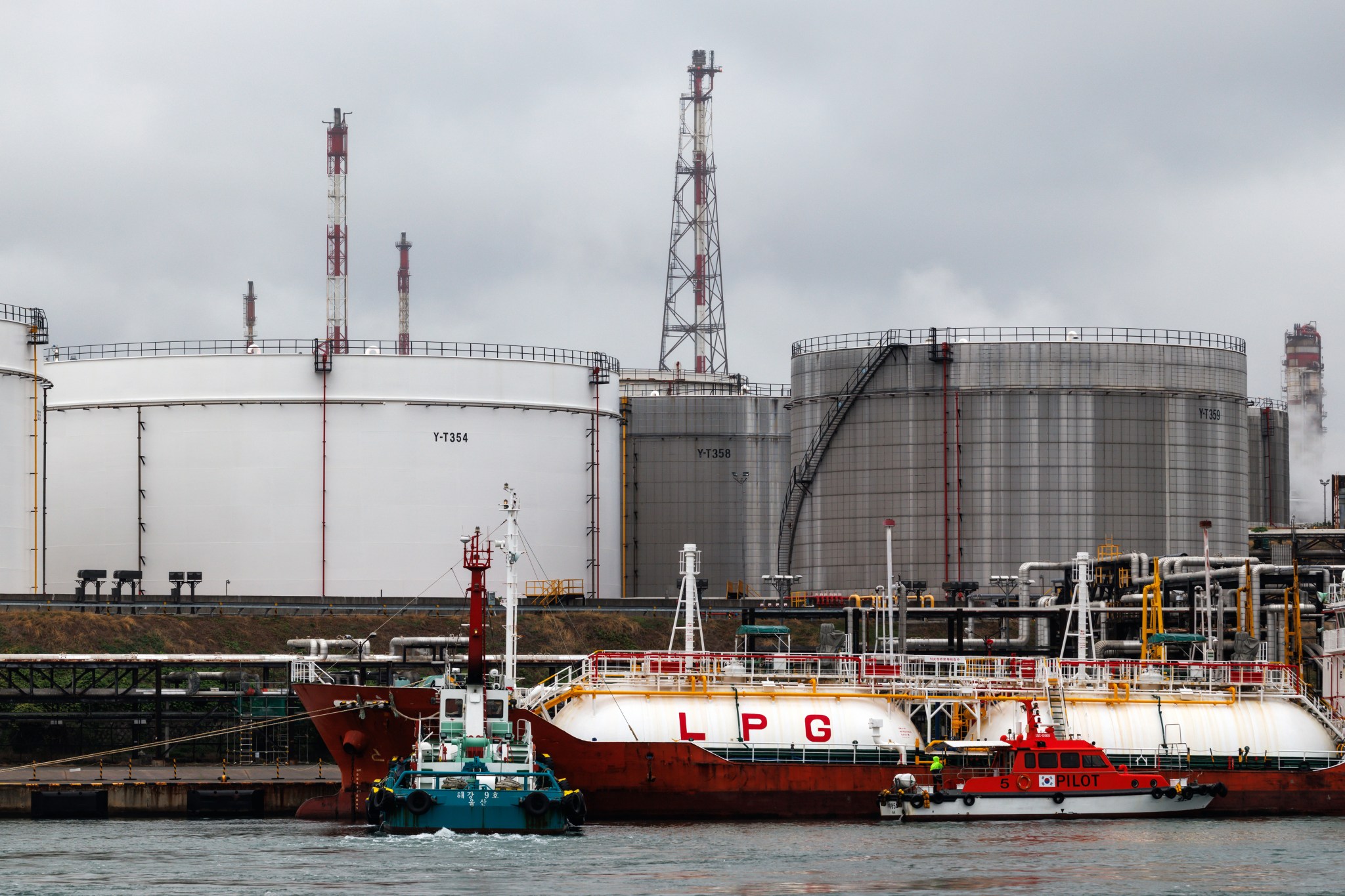
The Iran-Iraq conflict highlighted the world's heavy reliance on the 20-mile-wide Strait of Hormuz, a narrow waterway connecting the Persian Gulf to the Arabian Peninsula. Following the U.S. strikes on Iran, the latter threatened to target ships attempting to pass through the strait, prompting Asian nations to impose export bans, cut import duties, and ration fuel to secure supplies.
Despite initial fears of shortages and disruptions, the crisis has largely remained manageable due to increased production, substantial stockpiles, and diversification efforts. Iran recently announced a revenue-sharing agreement for the waterway, though the U.S. claimed to have obstructed the process. The incident has prompted governments to seek alternative energy sources and strengthen supply routes.
With the U.S.-Iran deal in doubt and Iran likely to retain control over Hormuz, the global energy landscape may be undergoing a significant shift. Experts warn that a prolonged closure of the Strait could disrupt oil and gas supplies, particularly for Asia, which is already heavily dependent on Middle Eastern sources.
Written by urgent.news from Fortune's reporting — not their text. Machine-written — may contain errors; check the original before relying on it.