The Sound of the Silenced: Inside the ten-year global fight to keep the internet on
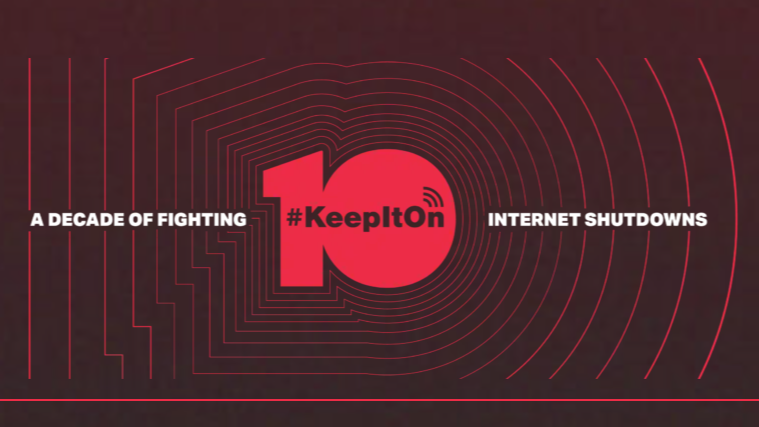
This year marks 10 years of Access Now's #KeepItOn campaign fighting against internet shutdowns. We talked to the campaign lead about what's been done so far and what the next decade has in store.
The Sound of the Silenced: Inside the ten-year global fight to keep the internet on
Felicia Anthonio, the global campaign manager for #KeepItOn, reflects on the decade-long battle to prevent governments from shutting down the internet. First noticing the impact in 2017 while tracking press freedom violations in Anglophone Cameroon, Anthonio witnessed young technologists forced to leave their careers and communities due to internet disruptions.
To mark the coalition's ten-year anniversary, Access Now has launched the Sound of the Silenced initiative, featuring eight firsthand accounts from people affected by shutdowns worldwide. These stories illustrate how internet blackouts isolate communities and endanger lives, with accounts ranging from a teacher in Gaza unable to communicate with her family after a bombing to an activist in Myanmar forced to travel by motorbike to call for help during airstrikes.
Anthonio spoke with TechRadar about the coalition's decade of work and what the future may hold. The #KeepItOn campaign initially focused on defining internet shutdowns, a term that had previously struggled to be categorized by human rights advocates. The first known shutdown occurred in 2007 in Guinea, followed by Iran's suppression of Green Movement protests in 2009 and Egypt's blackout in 2011 to quash anti-regime demonstrations.
It wasn't until March 2016 at Access Now's annual RightsCon conference that the coalition officially defined an internet shutdown as an intentional disruption of internet or electronic communications, rendering them inaccessible or effectively unusable, often to exert control over information flow. This definition led to diplomatic victories, including a UN Human Rights Council resolution in 2016 and the African Commission on Human and Peoples' Rights adopting a similar stance.
The coalition's standardized definition and Shutdown Tracker Optimization Project (STOP) database have been adopted by UN special rapporteurs, researchers, and human rights groups to track violations.
In recent years, the coalition has turned to legal action, resulting in significant rulings from the ECOWAS Community Court of Justice declaring internet shutdowns illegal in several countries. The group now boasts over 370 local and international partners spanning 106 countries, making it the leading network against internet shutdowns worldwide.
Despite increasing international condemnation, internet shutdowns have become more frequent, with 2025 witnessing the worst year on record, with at least one blackout occurring every day of the year.
Written by urgent.news from TechRadar's reporting — not their text. Machine-written — may contain errors; check the original before relying on it.