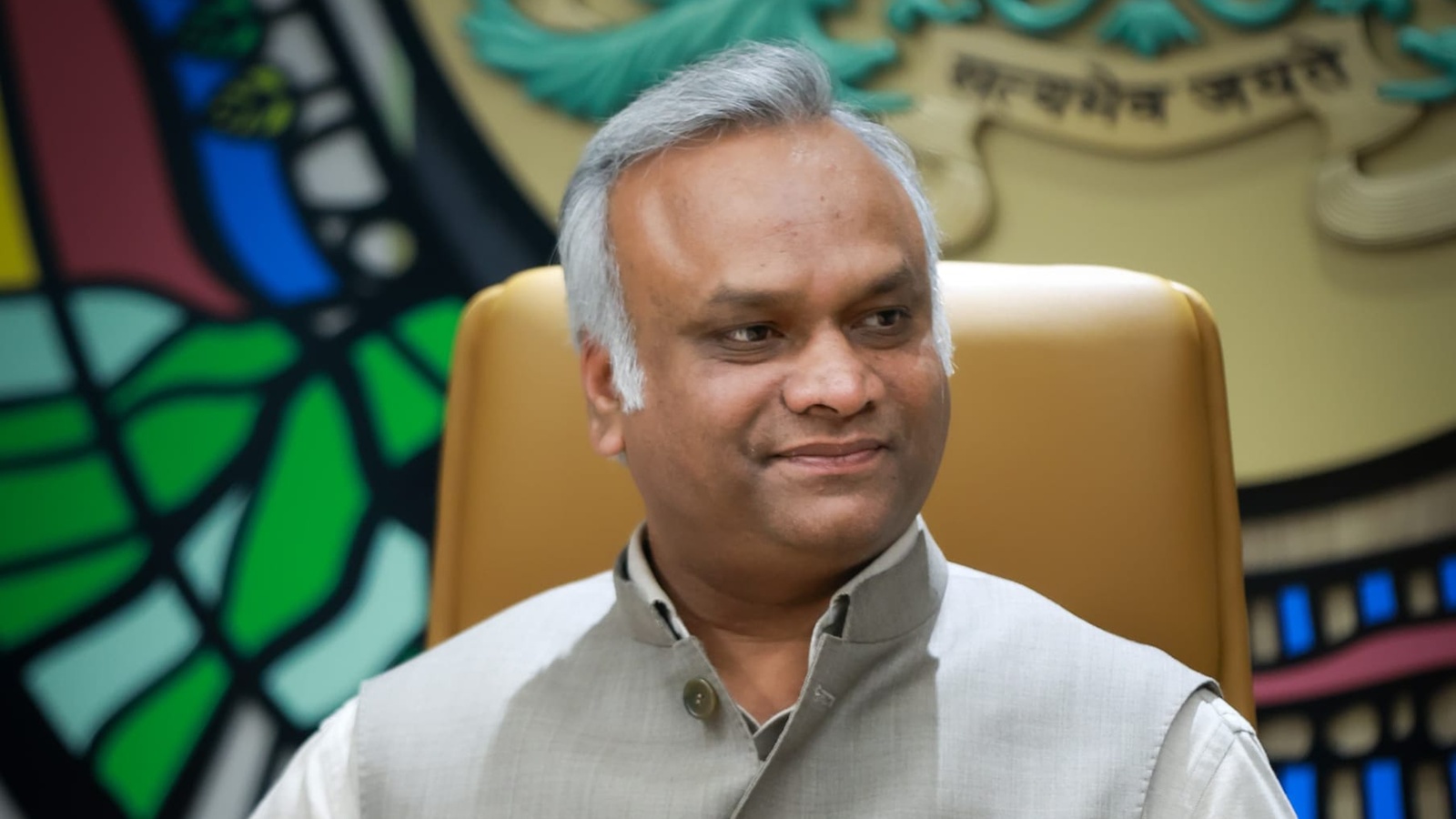
Seeking information is every citizen’s right; transparency in governance is prime objective of RTI Act, says Mahesh Walvekar
Noting that the Union government implemented the RTI Act on October 12, 2005, Walvekar highlighted that the primary goal of the Act is to bring transparency to government functioning
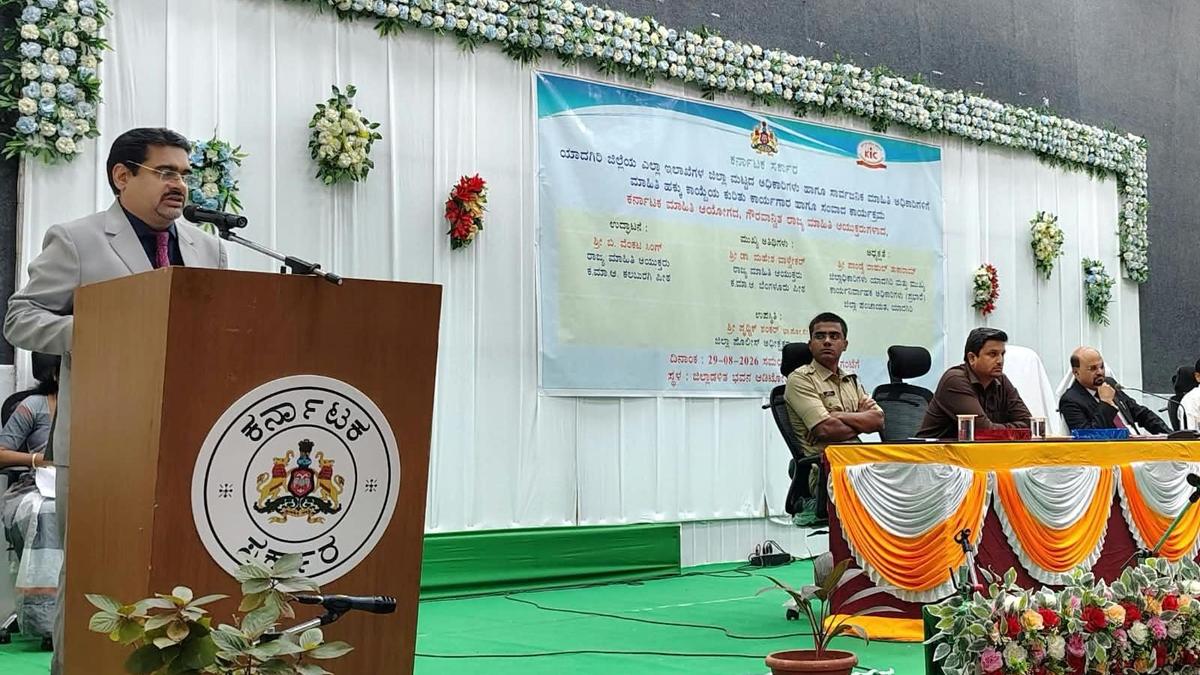
Mahesh Walvekar, Commissioner of the State Information Commission, emphasized during an awareness workshop in Yadgir on Saturday that every Indian citizen possesses a fundamental right to obtain information about government schemes and works benefiting the public, under the Right to Information (RTI) Act of 2005. Speaking at an event for district, taluk, and Gram Panchayat Development Officers, Mr. Walvekar highlighted that the Act's main objective is to enhance transparency within government operations.
The RTI Act, implemented on October 12, 2005, enables citizens to seek information about government work, query projects, and obtain certified copies of official orders. Mr. Walvekar stressed that public access to government records and files, as well as the right to inspect these documents, is another key aspect of the legislation. He described the RTI Act as an essential tool for empowering citizens, promoting transparency in governance, and fostering a corruption-free society.
The Commissioner urged officials to fully comprehend the RTI Act to address public applications effectively. He advised tracking orders and judgments issued by the Information Commission and courts to streamline the process of providing records. Strictly reminding the attendees, Walvekar emphasized that requested information must be provided within 30 days without delay.
If an application's information falls outside a department's jurisdiction, it must be transferred to the relevant department within five days under Section 6(3) of the Act. Negligence or unnecessary delay in providing information would result in fines and disciplinary action.
Despite the widespread use of the term "RTI," Walvekar noted that public awareness of the Act's specifics remains low. He called for prompt redressal of public grievances, urging officials to prioritize public complaints, manage files systematically, and avoid delays. He noted that mechanisms like Sakala, RTI, and the Lokayukta are in place to ensure fast and open governance.
The Commissioner of the State Information Commission at the Kalaburagi Bench, Venkatsingh, along with district- and taluk-level officers, attended the workshop.
Written by urgent.news from The Hindu's reporting — not their text. Machine-written — may contain errors; check the original before relying on it.