Russia’s gasoline output drops to 70% of domestic demand
The fall at this month's end comes after a series of drone attacks forced major refineries to suspend operations, according to two industry sources.
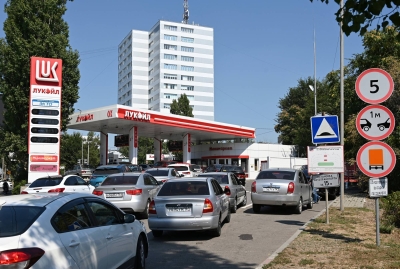
By the end of August, Russia's gasoline production had plummeted to approximately 70% of domestic consumption levels, according to industry insiders. This sharp decline was triggered by a string of drone attacks against key refineries, which forced several major plants to shut down operations. Ukraine's intensified strikes on Russia's energy infrastructure aimed to reduce Moscow's revenue streams, leading to a growing fuel crisis that compelled the nation to import petroleum products and enforce stringent sales restrictions throughout the country.
Shortly after a temporary respite at the end of July, when some local authorities began easing or abolishing fuel sales restrictions, shortages once again emerged in Russian regions during August. In August, gasoline output dropped to a level comparable to early July, the peak of the fuel crisis that had been brewing since May. Regional authorities promptly reinstated various restrictions, such as purchase limits per customer and sales schedules based on vehicle registration plate numbers.
The repercussions of the fuel shortages were somewhat mitigated by drivers refraining from nonessential trips due to the risks of lengthy queues at gas stations or running out of fuel. Over the past week, additional drone strikes targeted several major refineries, including facilities in Perm, Nizhny Novgorod, and Yaroslavl, all of which are significant producers of motor gasoline.
These emergencies exacerbated the gap between gasoline production and market demand to around 35,000 metric tons per day. Consequently, current output of about 80,000 tons per day only covers 70% of domestic demand.
In August, average gasoline production reached around 90,000 tons per day, which constitutes roughly 80% of the estimated summer demand of 115,000 tons per day. To bridge the fuel deficit, Russia has turned to seaborne supplies from Asian countries, with imports expected to total approximately 270,000 tons for the month. Belarus is also contributing gasoline imports, estimated at around 150,000 tons during August, or roughly 5,000 tons per day, based on market insights.
In total, around 220,000 tons of imported gasoline have already arrived in Russia in August, averaging approximately 7,000 tons per day.
With gasoline exports suspended until January 31 and imports supplementing domestic production, supplies to the domestic market could average around 97,000 tons per day in August, or approximately 85% of demand.
Written by urgent.news from Japan Times's reporting — not their text. Machine-written — may contain errors; check the original before relying on it.