Robert Kiyosaki says he’s $1.2B in debt — and isn’t worried. He uses debt to buy this 1 asset and ‘pay no tax legally’
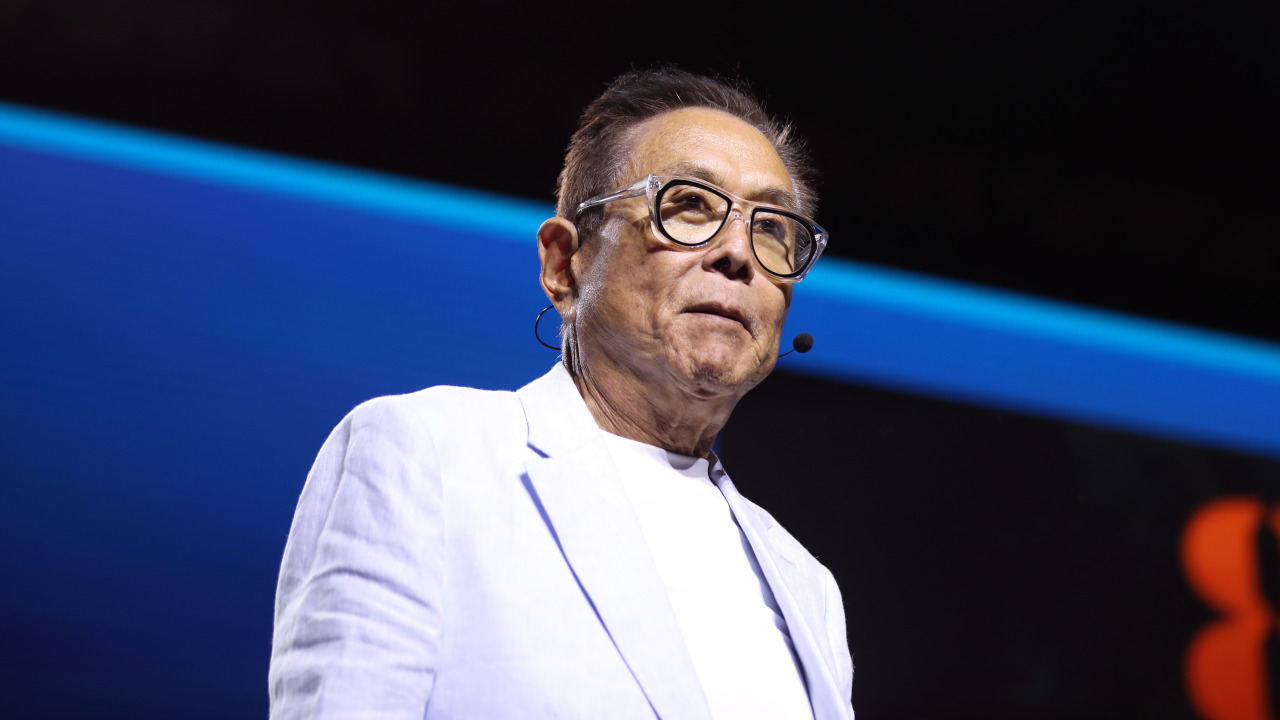
Robert Kiyosaki, author of the popular book "Rich Dad, Poor Dad," has reportedly amassed a debt of $1.2 billion but remains unfazed by it. The debt is tied to roughly 1,500 apartment units and is held by a group of real estate investors, including Kiyosaki and his partners. Kiyosaki's personal share of the debt is reportedly smaller (1).
In a recent appearance, Kiyosaki was asked about his debt, to which he responded, "$1.2 billion" (2). Despite the large figure, Kiyosaki remains unconcerned, explaining that owing $1 billion and being unable to pay it back would be the investor's problem, not the bank's.
Kiyosaki's philosophy on debt and investing is rooted in using borrowed money to acquire assets that generate income and appreciate over time. He believes that debt should be used strategically, not feared, and that the bank's concern should be when an individual cannot repay a relatively smaller loan, such as $20 million (3).
Kiyosaki's strategy involves leveraging real estate to legally reduce his tax burden. By purchasing properties with borrowed funds, the interest payments on those loans are tax-deductible, even if the properties generate positive cash flow. This approach allows investors to tap into the equity of a property without triggering a capital-gains tax that would otherwise apply to selling the property.
Written by urgent.news from Yahoo Finance's reporting — not their text. Machine-written — may contain errors; check the original before relying on it.