Philippines pursuing first coal-blending terminal
The Philippines is looking to establish its first coal terminal where domestic coal can be processed and blended for power generation, helping reduce its reliance on imports from Indonesia.
The Philippines is exploring the construction of its first coal terminal where domestic coal will be processed and blended for power generation, aiming to decrease its reliance on Indonesian imports. Energy Secretary Sharon Garin pointed out the current lack of a blending facility in the country, stating, "Our dependence on Indonesian coal as our fuel is due to the fact that we don’t have a blending facility here in the Philippines."
Garin urged the private sector to take the lead, suggesting that the government could participate as a minority shareholder to provide regulatory oversight. She expressed hope that generation companies, coal miners, or traders would form an organization to undertake this project.
The Philippines heavily relies on coal, with over 60% of its power mix being derived from this source. Remarkably, around 95% of the country's coal supply is imported, primarily from Indonesia, which supplies roughly 99% of the imports. Garin explained that the country's dependence on Indonesian coal is due to the compatibility of its quality with the boilers and equipment used by local coal-fired power plants.
Semirara coal mine, located in Antique and producing the majority of the domestic coal, generates low to medium-rank sub-bituminous coal with a relatively low calorific value. However, some local power plants are designed to operate more efficiently with higher-calorific-value coal.
Garin anticipates that the proposed coal terminal will enable the country to utilize Semirara coal effectively, even if it is considered low quality, by blending it with higher-quality coal. The Department of Energy is currently evaluating a potential site in Mindanao for the terminal, though the location remains subject to a feasibility study.
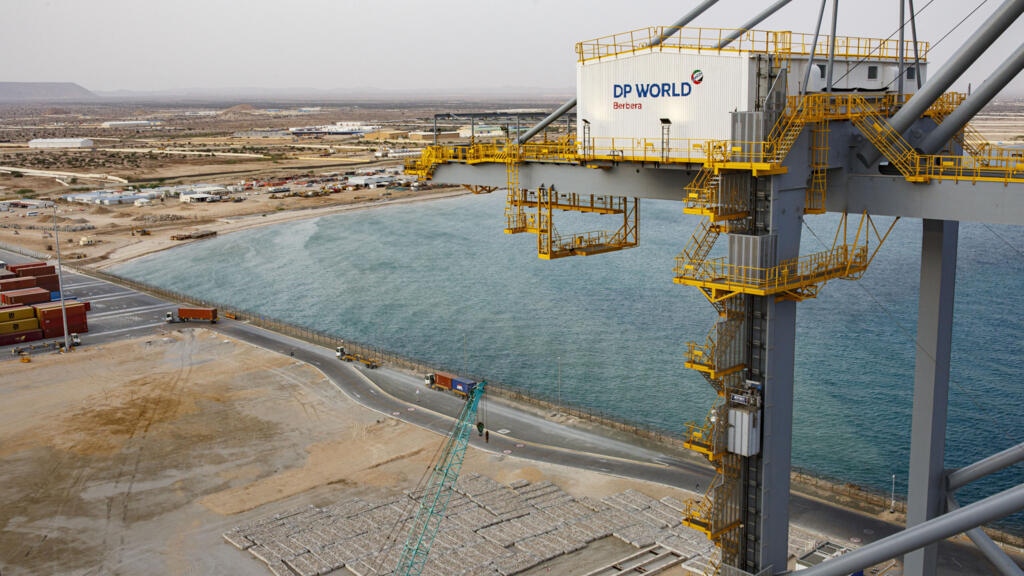
The facility should be situated near a port to facilitate the handling and transportation of coal. The Philippines' initiative to reduce its import dependence on coal aligns with Indonesia's efforts to centralize the export of key commodities, including coal. Under Indonesia's new export regulations, companies will be required to report their coal export activities to a state firm, with the full implementation expected by January 2027.
Written by urgent.news from Philippine Star Business's reporting — not their text. Machine-written — may contain errors; check the original before relying on it.