Nepal floods: Before-and-after satellite images reveal scale of destruction
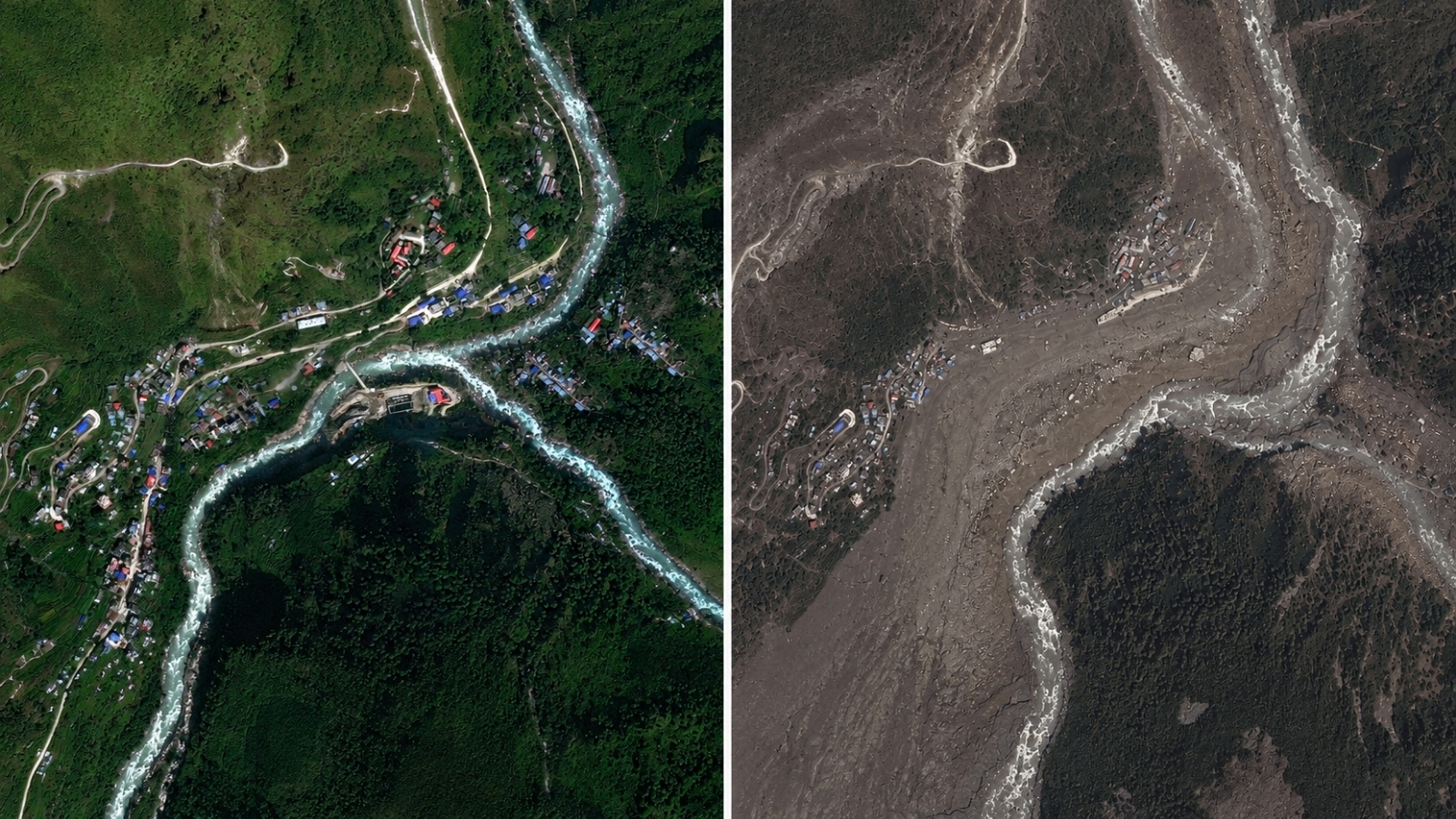
Satellite imagery has provided a new perspective on the devastating floods that struck the Nepal-China border region. Before a large section of the Langtang Lirung glacier collapsed, an avalanche of ice, rock, and debris raced downstream. The initial cloud-covered satellite images from Nepal were later replaced by clearer visuals on August 28, 2026, revealing the extent of the disaster.
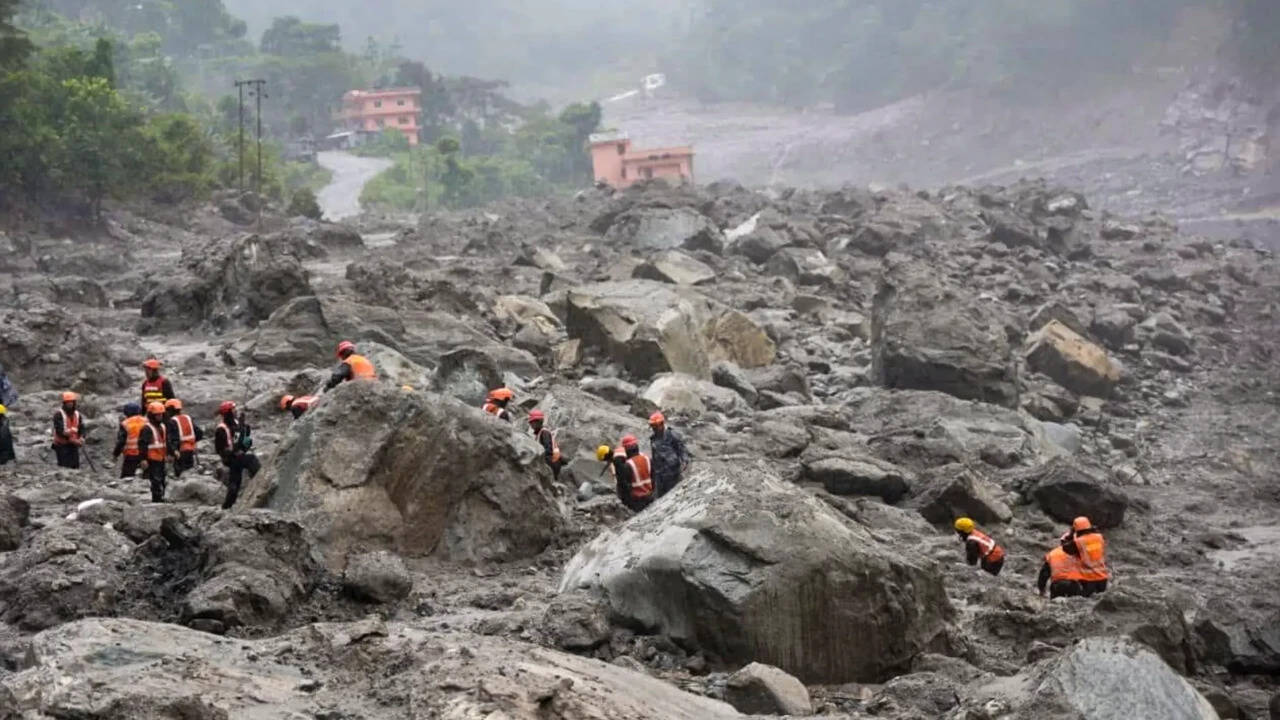
A significant portion of the glacier near the border with Tibet, along with a substantial bedrock area, had broken away. The falling bedrock carried a massive chunk of ice, which, as the debris moved downstream, was augmented by melting ice, creating a potent mix of mud, boulders, and water that devastated settlements along the Trishuli River.
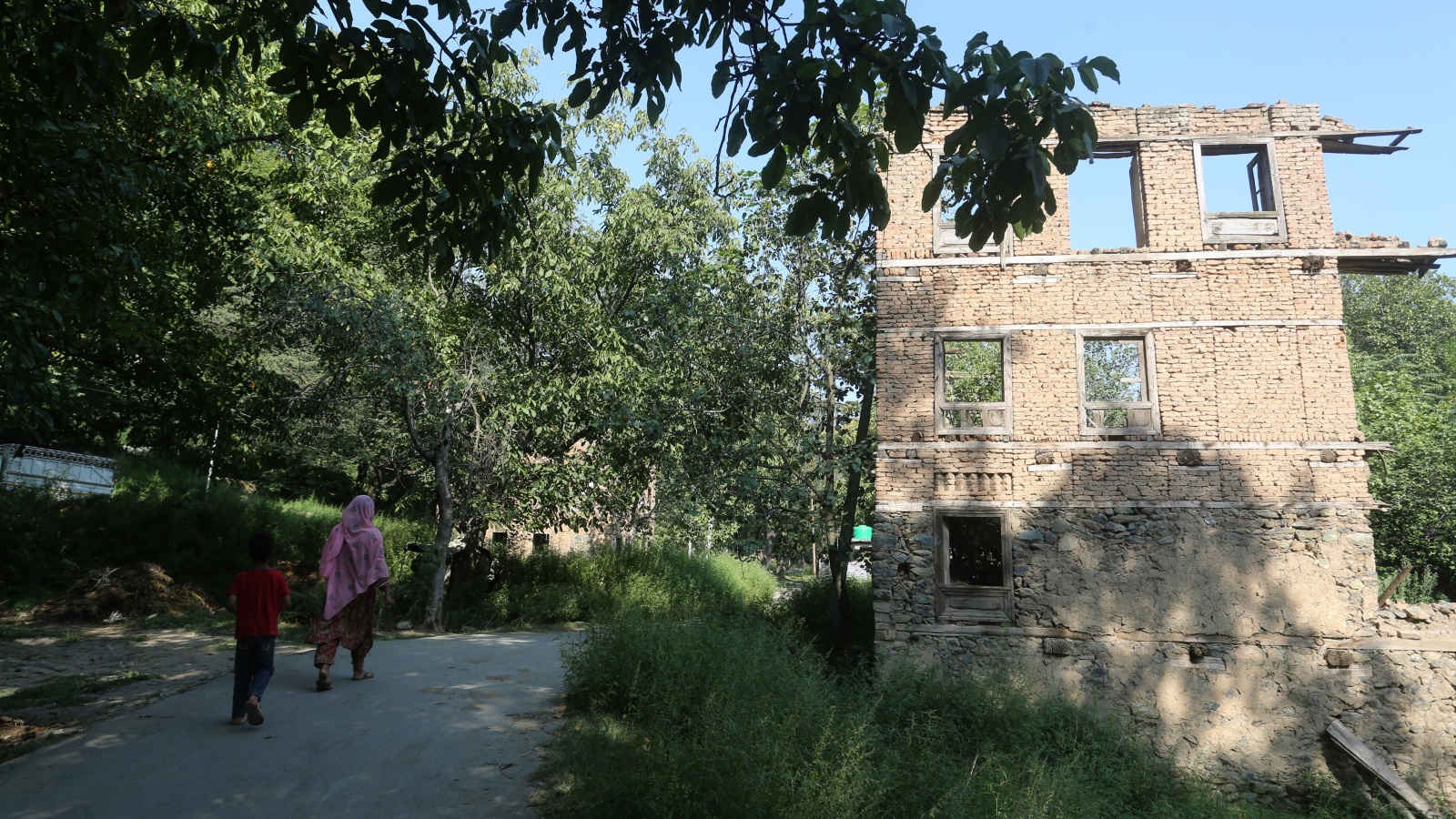
The Trishuli River's width increased dramatically, carrying overwhelming amounts of sediment and debris, transforming its water from greenish to brown and black due to the substantial sediment load. Several towns and villages were submerged under mud and debris, with buildings in Betrawati, Syapru Besi, and Timure being either toppled or swept away.
Mountain geographer Alton Byers from the University of Colorado Boulder described the destruction as a wasteland that could take years to recover, stating it was the largest glacier-related flood he had witnessed. While scientists are investigating the potential impact of climate change on such events, there is currently no definitive evidence linking this specific collapse to climate change.
Landslides and slope failures, though occurring naturally, could become more frequent as a warming climate destabilizes mountain terrain, making such disasters more likely. The disaster has claimed hundreds of lives in Nepal and Tibet, with thousands still missing, including foreigners and pilgrims. Rescue efforts continue as authorities monitor new lakes and other hazards generated by the collapse.
Written by urgent.news from The Indian Express's reporting — not their text. Machine-written — may contain errors; check the original before relying on it.