Meet Cumulina, the Mouse That Changed Our Understanding of Cloning
Learn more about the cloned mouse that followed Dolly the sheep, and why cloning is still a taboo subject
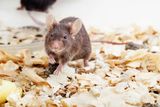
Cumulina, a mouse cloned by Ryuzo Yanagimachi and Teruhiko Wakayama, followed Dolly the Sheep as the second cloned mammal. Their achievement demonstrated that mammalian cloning could be achieved more efficiently and repeatedly than previously thought. This mouse, born almost three decades ago, became a symbol of the potential for cloning to be a tool for regenerative medicine. Cloning could, in theory, allow for the reversal of degenerative diseases or the growth of new organs to replace failing ones.
However, the clinical application of cloning has faced numerous challenges. Funding restrictions, ethical concerns, and technical hurdles have slowed human cloning research significantly. Despite these obstacles, Yanagimachi continued to work on cloning methods, developing a new technique called cloning by nuclear microinjection (CNM). In this method, researchers use a micropipette to extract genetic material from a cell's nucleus and transfer it into an unfertilized egg with its chromosomes removed.
The Cumulina Mouse, named after its creator Yanagimachi, was the first successful example of this new technique. Not only did the team clone Cumulina, but they also produced dozens of mice and established a family tree spanning multiple generations. Cumulina herself lived a normal lifespan for a mouse, dying before her third birthday. Despite these successes, the success rate for cloning remained low, around 5%, according to Wakayama's follow-up report a decade later.
Written by urgent.news from Discover Magazine's reporting — not their text. Machine-written — may contain errors; check the original before relying on it.