Judiciary vital in upholding justice and people’s well‑being, says Tengku Maimun
BANGI, Aug 29 — The Judiciary is a vital institution and a key pillar in upholding justice, safeguarding the well-...
The Judiciary holds a vital position in upholding justice, ensuring people's well-being, and preserving the nation's integrity, according to former Chief Justice Tun Dr Tengku Maimun Tuan Mat. She emphasized that the judiciary plays a crucial role in maintaining transparency, fairness, and the rule of law under the Federal Constitution.
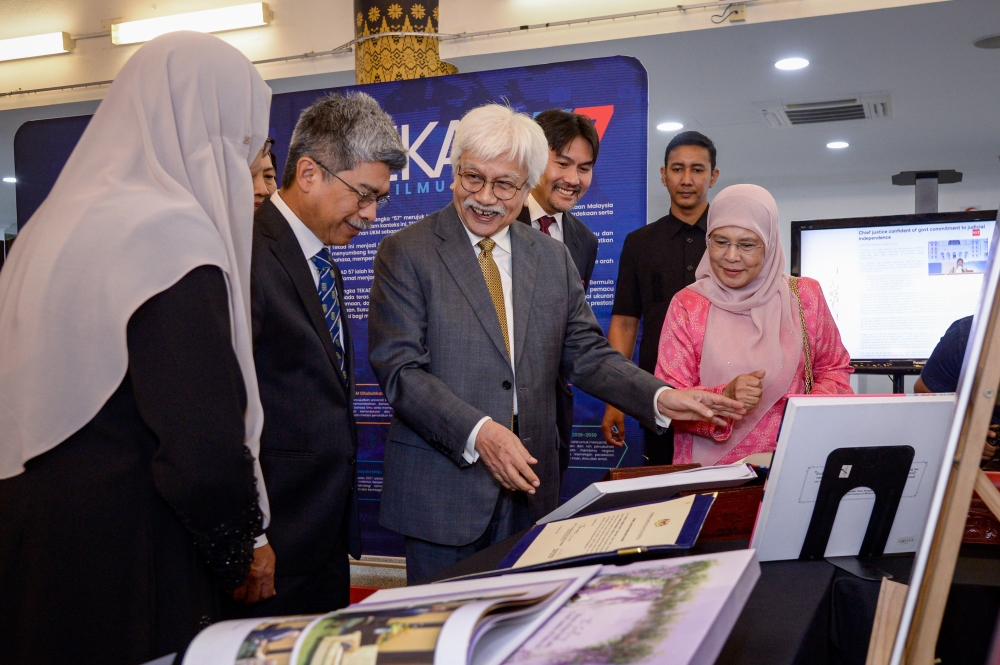
Judges are responsible for protecting fundamental rights, rejecting misconduct, and implementing checks and balances within the system. Tengku Maimun, a Professor of Practice at the UKM Faculty of Law and the Tuanku Muhriz Royal Chair in Integrity and Good Governance, delivered a lecture titled 'Integriti Pemangkin Jiwa Merdeka' at Universiti Kebangsaan Malaysia (UKM).
Attendees included the Yang di-Pertuan Besar of Negeri Sembilan, Tuanku Muhriz Tuanku Munawir and Tuanku Aishah Rohani Tengku Besar Mahmud, as well as UKM officials and officials from the UKM Board of Directors. Tengku Maimun highlighted the judiciary's critical role as the bulwark, protector, and guardian of the Constitution, particularly in preventing any state institution from exceeding its powers as mandated by the Constitution.
She explained that Malaysia practices constitutional supremacy, unlike the UK's doctrine of parliamentary sovereignty. The judiciary's responsibility extends to cases involving livelihood rights, environmental protection, freedom of speech, customary land rights, and citizenship. Integrity, according to her, is more than avoiding corruption or adhering to rules; it is a commitment to doing what is right despite difficulties or personal disadvantages.
A culture focused solely on compliance may lead to legal loopholes, while moral integrity demands making the right choices even when unpopular. Tengku Maimun stressed that integrity requires consistency between words and actions, transparent monitoring, merit-based appointments, equitable law enforcement, and impartial penalties.
She defined Jiwa Merdeka as an active process of liberation, encompassing mental freedom from corruption, power abuse, and ethical compromises.
Written by urgent.news from Malay Mail's reporting — not their text. Machine-written — may contain errors; check the original before relying on it.