Inside Thailand’s bid to wire the world’s AI revolution
In the rush to build an AI future, semiconductors are the silicon rock stars that soak up all the applause. Yet behind the curtain, an unglamorous stagehand is doing much of the heavy lifting. Printed circuit boards (PCBs) are the copper-laced panels inside every mobile phone, car key fob, digital camera and data-centre server rack on Earth. Without them, even the most advanced AI chip would be…
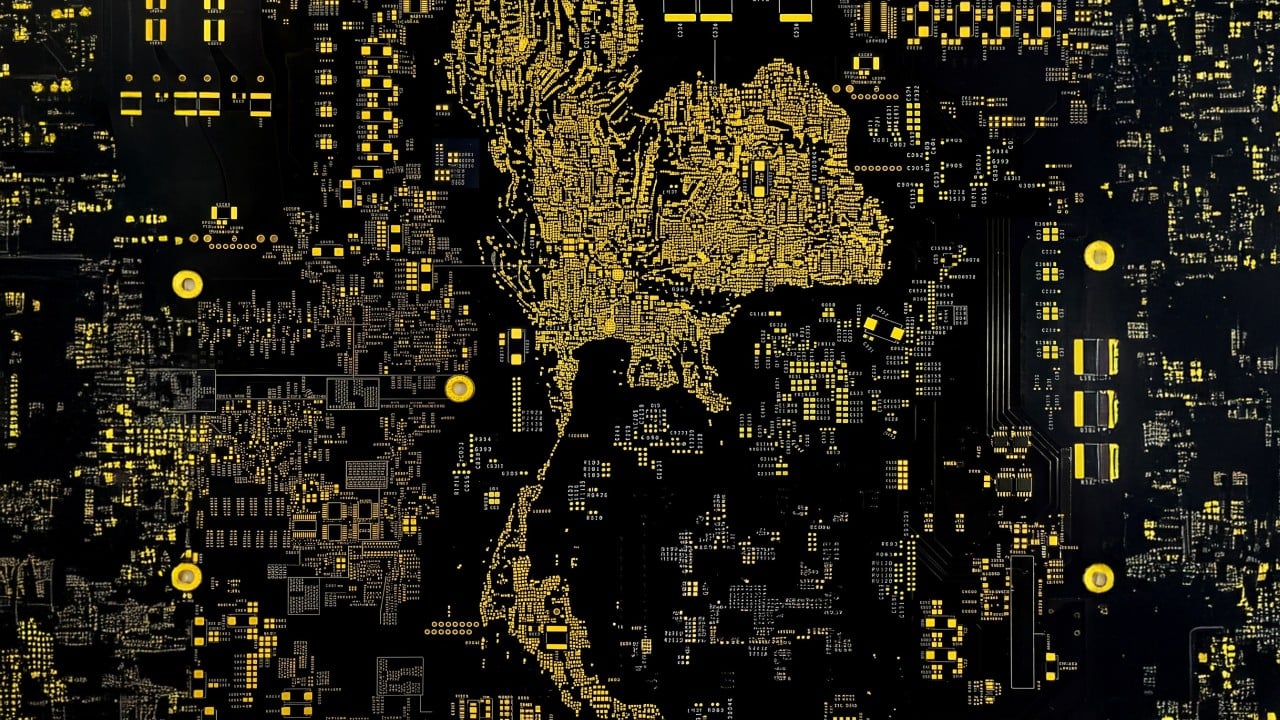
Thailand is racing to become a key player in the global AI revolution, focusing on the often-overlooked role of printed circuit boards (PCBs). These boards are essential components in nearly all modern electronic devices, including smartphones, cars, and data center servers. They process information and enable the functionality of advanced AI chips.
WellTek Electronics, a Thai subsidiary of a China-based company, is building two new PCB factories in Ayutthaya, a major industrial zone in Thailand. The first factory, valued at $75 million, is already operational and aims to increase production capacity to over 3.6 million square meters per year within a few years.
Thailand has already established itself as Southeast Asia's leading producer of PCBs, with an installed capacity that is the fifth-largest globally. This success can be attributed to the country's strategic location, robust logistics network, and a highly skilled workforce. The Thai government's efforts to attract foreign investment, especially from countries seeking to escape US trade tariffs, have also played a significant role.
While Malaysia is currently a leader in semiconductors and Vietnam specializes in electronics assembly, Thailand's PCB industry provides a competitive advantage in the Southeast Asian tech landscape. The industry's growth is closely tied to the increasing demand for AI technology, as PCBs are crucial components in AI accelerator cards used in data centers.
Thailand's PCB sector has seen substantial investment, with the Board of Investment reporting a $10 billion influx over the past three years. Experts predict that the industry could reach $18 billion to $25 billion in trade volume by capturing a 20% global market share. To achieve this, Thailand must continue to attract investment, develop a skilled workforce, and expand its infrastructure to meet the growing demands of the AI age.
Written by urgent.news from South China Morning Post's reporting — not their text. Machine-written — may contain errors; check the original before relying on it.