India wants global factories, but its own quality checks may be putting investors off: GTRI
Concerns have surfaced among Japanese enterprises regarding India's compulsory BIS certification rules. A newly released study proposes a significant revamp of the QCO framework. The existing regulations are leading to considerable delays and inflated compliance costs for manufacturers, adversely impacting smaller businesses in India and disrupting supply chains. Experts recommend implementing a…
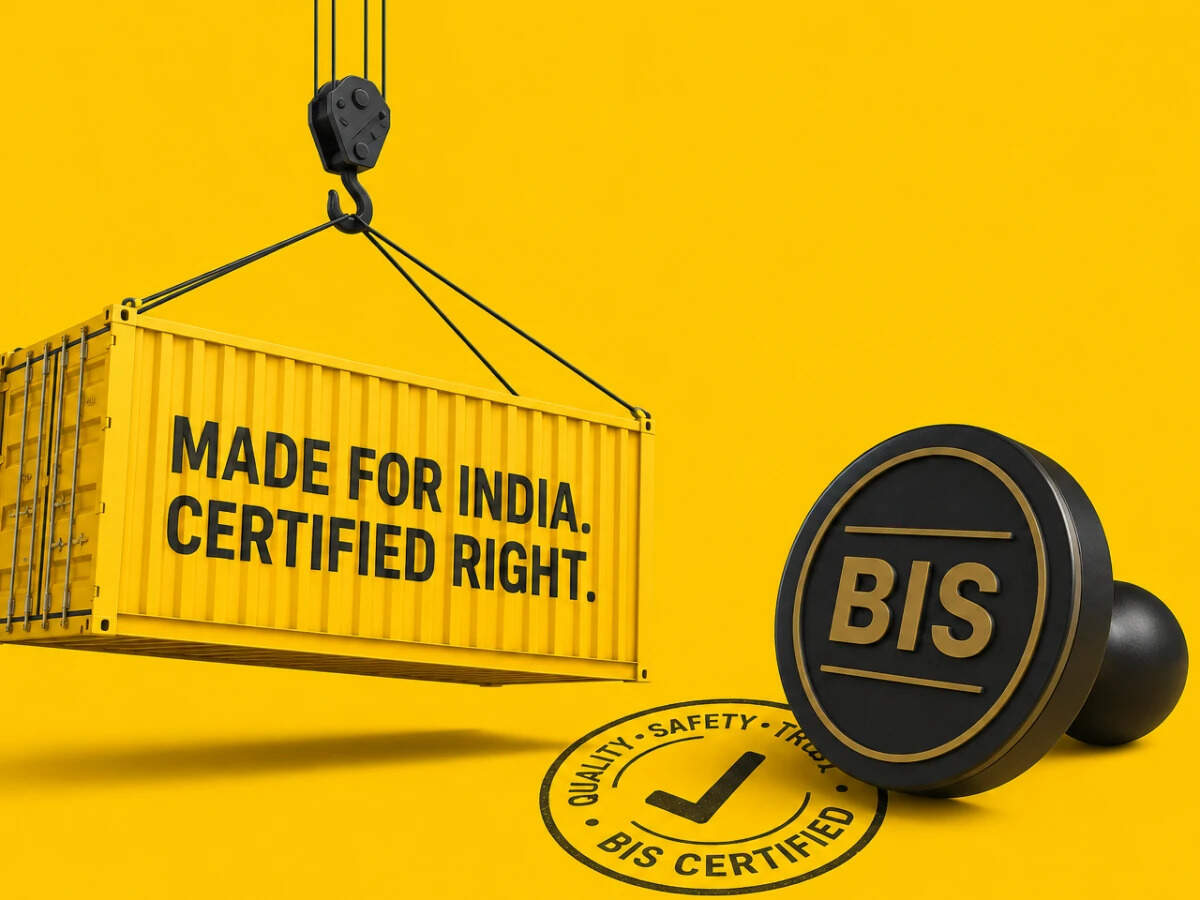
The Global Trade Research Initiative (GTRI) has reported that Japanese companies are increasingly concerned about India's mandatory Bureau of Indian Standards (BIS) certification regime, which may be deterring investors. The think tank's report, led by Ajay Srivastava, highlights the need for a broader overhaul of the country's Quality Control Order (QCO) framework, urging the easing or waiving of mandatory quality certification requirements for high-technology industries.
Japan External Trade Organization (JETRO) survey results show that 71.9% of Japanese manufacturers in India report that BIS certification has affected or will affect their operations, with even higher percentages for specific sectors. The GTRI report cites issues like lengthy approval processes, high costs, and certification delays as major concerns for foreign manufacturers.
The compliance burden could be especially damaging for smaller Indian businesses, who may struggle to obtain the necessary No Objection Certificates for imports. The report recommends adopting a risk-based regulatory framework similar to the European model, reserving mandatory testing and inspections for high-risk products, and ending double certification, particularly in sectors like steel.
Written by urgent.news from The Economic Times - Economy's reporting — not their text. Machine-written — may contain errors; check the original before relying on it.
Also reported by 2 other outlets
- Hairline Fix: India wants to snip China’s growth economictimes.indiatimes.com
- Jio Platforms, which owns India's largest carrier and counts Meta and Google as investors, gets regulatory approval to float India's largest-ever IPO of ~$4B (Vallari Sanzgiri/The Hindu BusinessLine) thehindubusinessline.com