In 1961, squirrel monkey Goliath launched from Cape Canaveral; rocket failed
Goliath, a squirrel monkey, was launched on a space mission in 1961. His rocket veered off course just thirty-five seconds after liftoff. Mission control then chose to destroy the vehicle mid-air to prevent disaster. Goliath perished in the explosion, ending his brief space career. His failed mission remains a tragic footnote in early space exploration history.
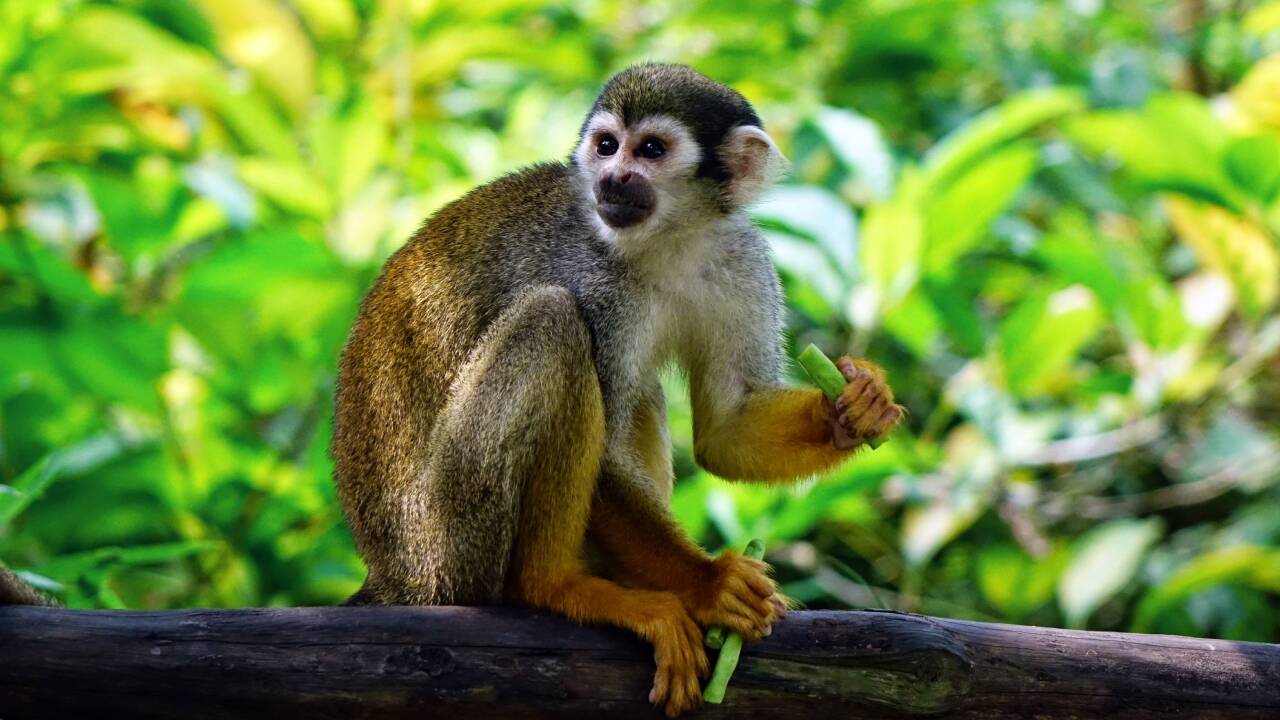
In November 1961, a tiny squirrel monkey named Goliath embarked on a brief and unfortunate journey into space. Weighing less than a carton of milk and standing just six inches tall, Goliath was part of an experiment to determine if primates could survive the harsh conditions of space travel. He was launched from Cape Canaveral aboard an Atlas E rocket as part of the SPURT mission.
Goliath's capsule was unrestrained, and he was expected to transmit biometric data as he moved within microgravity. If successful, his mission would have provided crucial information on how living creatures adapt to weightlessness. However, just 35 seconds after liftoff, the rocket veered off course catastrophically. The mission control team faced a dire choice: allow the rocket to crash back into Cape Canaveral or destroy it mid-air.
They opted for the latter, and the Atlas E detonated in the upper atmosphere, killing Goliath instantly.
Despite his short-lived career, Goliath's contribution to space exploration was notable. He was the first animal to witness the curvature of the Earth, although the experience was tragically brief. His sacrifice, however, paved the way for future missions, though he never knew the impact of his brief journey. Goliath's story is a somber reminder of the risks involved in early space exploration and the unforeseen challenges faced by the creatures who embarked on these missions.
Written by urgent.news from Times of India's reporting — not their text. Machine-written — may contain errors; check the original before relying on it.