I’m Part of the Team Writing the Next Bible of Psychiatry—For the First Time, the DSM Will Use Biology to Understand Mental Disorders
Part of the challenge of finding a biomarker for mental illness is the environment’s significant influence The post I’m Part of the Team Writing the Next Bible of Psychiatry—For the First Time, the DSM Will Use Biology to Understand Mental Disorders appeared first on Nautilus .
The Diagnostic and Statistical Manual of Mental Disorders, or DSM, is a widely used reference book in psychiatry that clinicians and researchers rely on for diagnosis and research. However, it has never included biology in its diagnoses due to the preliminary nature of the underlying biology of mental illness. The most recent version, the DSM-5, released in 2013, faced criticism for its lack of objective biological measures, which risked medicalizing human suffering and reducing the validity of psychiatric diagnoses.
The American Psychiatric Association is planning to release the next edition of the DSM, with a major plan to modernize the manual by integrating biology. The DSM's strategic committee, of which the reporter was a member, contributed to the subcommittee tasked with this integration. Researchers acknowledge that understanding the biology of mental disorders is still evolving, with biological factors being mechanisms that may be involved in disease development but not yet quantifiable in the lab. These factors can be physiological, genetic, or biochemical.
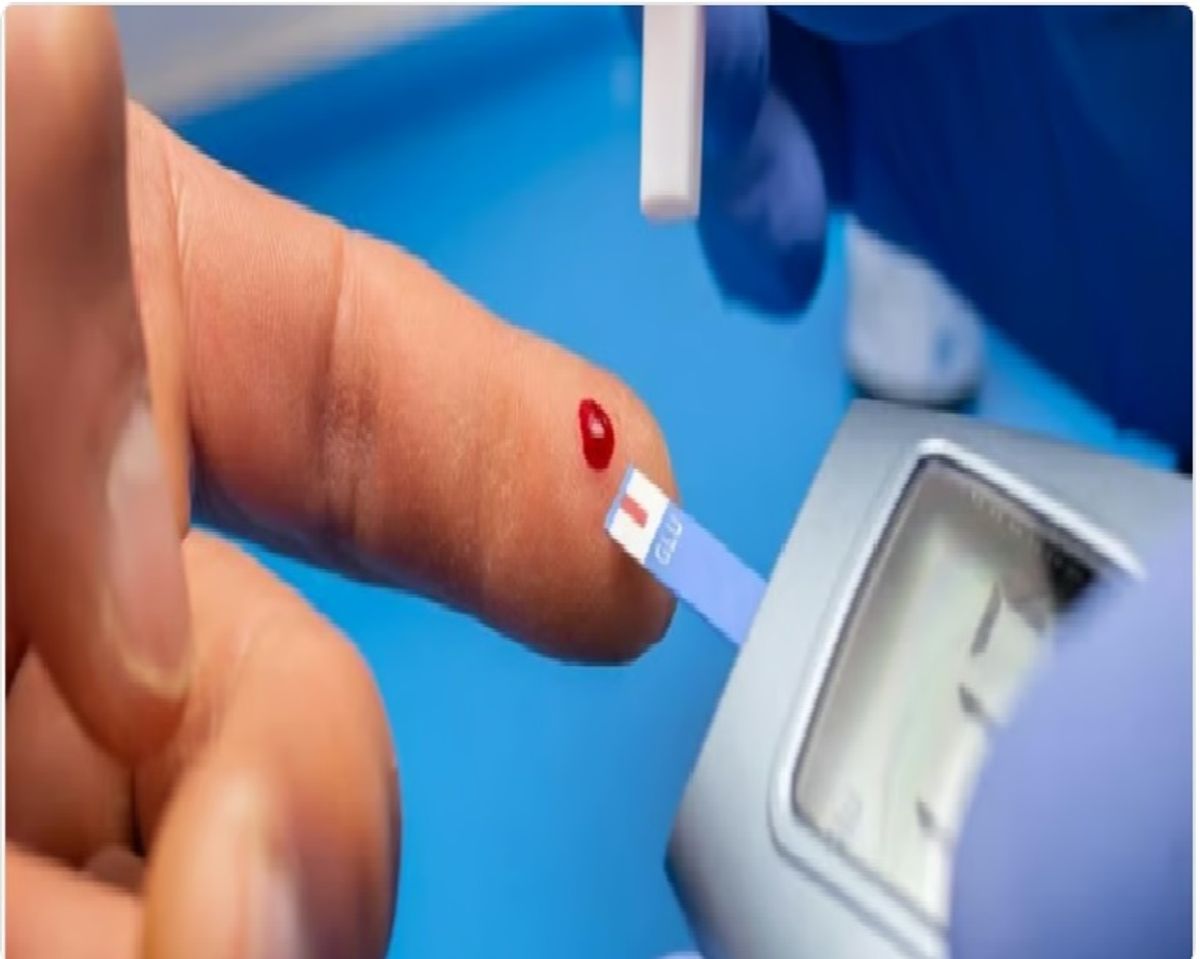
In contrast, biological markers or biomarkers are characteristics that can be objectively measured to evaluate a biological process, including treatment response. While there are no biomarkers for any psychiatric condition currently, the reporter believes three advances are promising. The first is the FDA-approved blood test for Alzheimer's disease, which detects specific forms of amyloid and tau proteins associated with the disease.
The second is the exploration of immune factors, such as the C-reactive protein, which may serve as a biomarker for a subtype of patients who respond better to certain treatments.
Written by urgent.news from Nautilus's reporting — not their text. Machine-written — may contain errors; check the original before relying on it.
This story
This is one outlet's version. Read the fullest account.