How to Survive Alone in the Pacific for More Than a Year: The Amazing Journey of Salvador Alvarenga
When Emi Libokmeto and Russel Laikidrik found José Salvador Alvarenga naked and severely dehydrated on the shore of Tile Islet on Jan. 30, 2014, they could not understand what he was trying to tell them. They did not speak the same language, and the fisherman’s account of spending 438 days adrift in the Pacific seemed […]
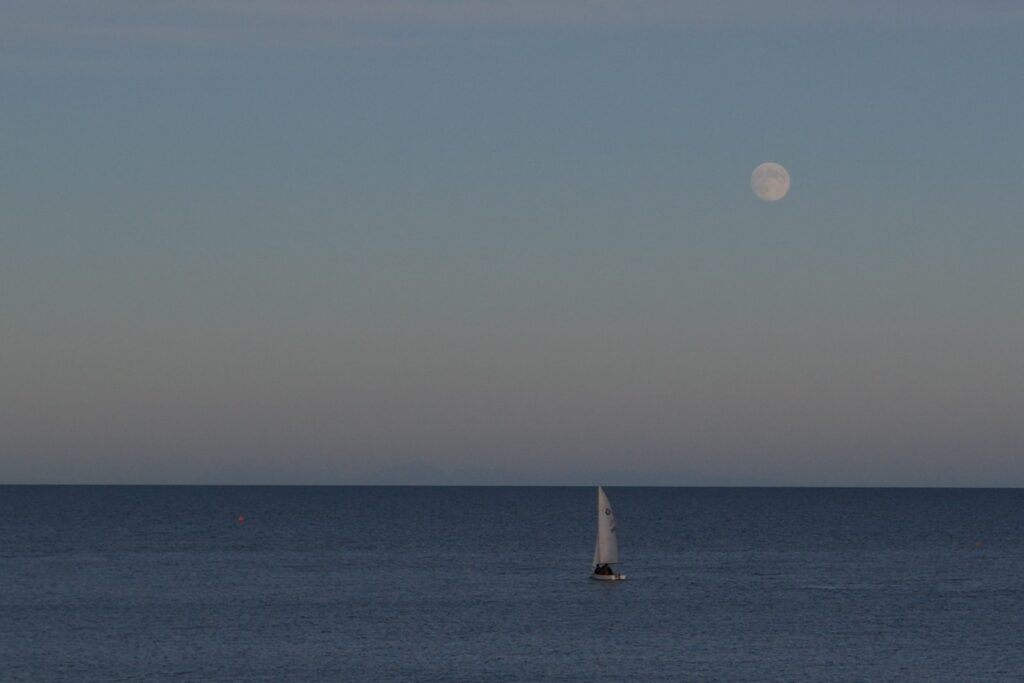
In 2014, José Salvador Alvarenga washed up on an island in the Marshall Islands, claiming to have survived for 438 days adrift in the Pacific Ocean. Initially, when rescued by Emi Libokmeto and Russel Laikidrik on Tile Islet, it seemed impossible that he could have endured such a long time alone in the vast ocean without any land or reliable supplies.
Alvarenga had embarked on a fishing trip with fellow fisherman Ezequiel Córdoba, but a violent storm pushed them far off course, leaving them with no engine and navigation equipment. With their radio also destroyed, they were entirely at the mercy of the elements. While they initially shared tasks to stay alive, Córdoba soon became seriously ill and died about four weeks after the storm, leaving Alvarenga abandoned in the small boat.
To survive, Alvarenga relied on what he could gather from the sea and sky. He caught fish and birds for food, drank rainwater when it rained, and even drank his own urine when water was scarce. Sea turtles provided essential hydration and nourishment during periods when fish were less abundant. The only method he had to keep track of time was by observing the phases of the moon, which helped him maintain some sense of temporal orientation.
His physical condition deteriorated severely, resulting in dehydration, malnutrition, anemia, and intense swelling upon his rescue. Despite the extreme challenges, Alvarenga's survival story was eventually corroborated by several pieces of evidence, including the identification of his boat, turtle shells, and bird remains. The boat had indeed been missing off the coast of Mexico for 14 months, confirming the journey he described.
Though his story seemed too extraordinary to be true, Alvarenga's survival did not defy the laws of nature or human resilience. Similar prolonged survival stories, like those of three Mexican fishermen in 2006, had already demonstrated that Pacific currents could indeed transport small boats across vast oceanic distances. Alvarenga's tale of survival was not just a remarkable personal achievement but also a testament to the incredible adaptability and endurance of the human spirit.
Written by urgent.news from Colombia One's reporting — not their text. Machine-written — may contain errors; check the original before relying on it.