How Nigerian boxing became a bigger payday than domestic football — Adamu
Nigerian boxers are now earning more from professional fights than footballers competing in the country’s domestic leagues, according to Ezekiel read more How Nigerian boxing became a bigger payday than domestic football — Adamu
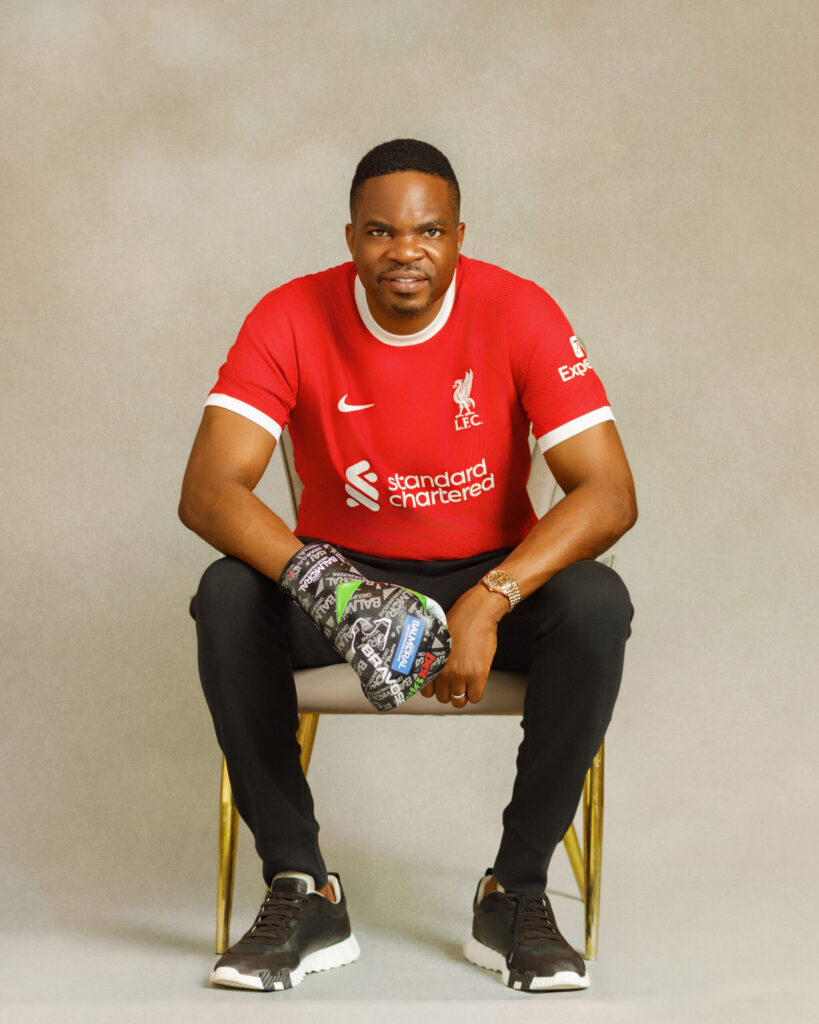
Alhaji Ibrahim Gusau resigned as President of the Nigeria Football Federation (NFF) following the failure of both the Super Eagles and Super Falcons to reach their World Cup qualifiers. His departure was expected, as previous presidents had failed to secure a second term due to similar administrative issues. The removal of Gusau did not come as a surprise; whenever the national team underperformed, Nigerians demanded the NFF president's resignation.
However, changing the president alone will not solve Nigeria's football problems. The country's football system is deeply flawed, requiring a total overhaul. This includes addressing governance weaknesses, improving administration, ensuring stakeholder representation, developing domestic competitions, and enhancing financial accountability. President Bola Ahmed Tinubu has recognized this need and directed the Chairman of the National Sports Commission (NSC) to work with the NFF Secretariat to drive these reforms.
The NSC has taken early steps to prevent an administrative vacuum, appointing an acting General Secretary to oversee the NFF Secretariat and suspending processes related to the Elective Congress. They have also dissolved leadership across the domestic circuit, transferring control to Chief Operating Officers. This move, while a positive start, is just the beginning.
The key issue lies in the heavily skewed Electoral College, where State Football Association Chairmen hold over 80% of the voting power. This concentration of power allows a small group to dictate presidential outcomes and statute amendments, stifling the voices of other stakeholders like domestic leagues, players' unions, coaches' associations, and referees.
To truly reform Nigerian football, the Electoral College must be restructured to dilute the State FA's voting monopoly and give equal representation to other key bodies. Additionally, core stakeholders should be empowered with substantial voting blocs, and corporate governance standards must be integrated into the boardroom.
These reforms are crucial to breaking the cycle of systemic rot that has plagued Nigerian football. While Gusau's resignation signals a shift, the real work lies ahead in rebuilding the foundation of the country's football ecosystem.
Written by urgent.news from Daily Trust's reporting — not their text. Machine-written — may contain errors; check the original before relying on it.
This story
This is one outlet's version. Read the fullest account.
- Fixing Nigerian Football more than Gusau’s resignation dailytrust.com