From caste & salary to 'vibe check': How India’s marriage biodata is evolving
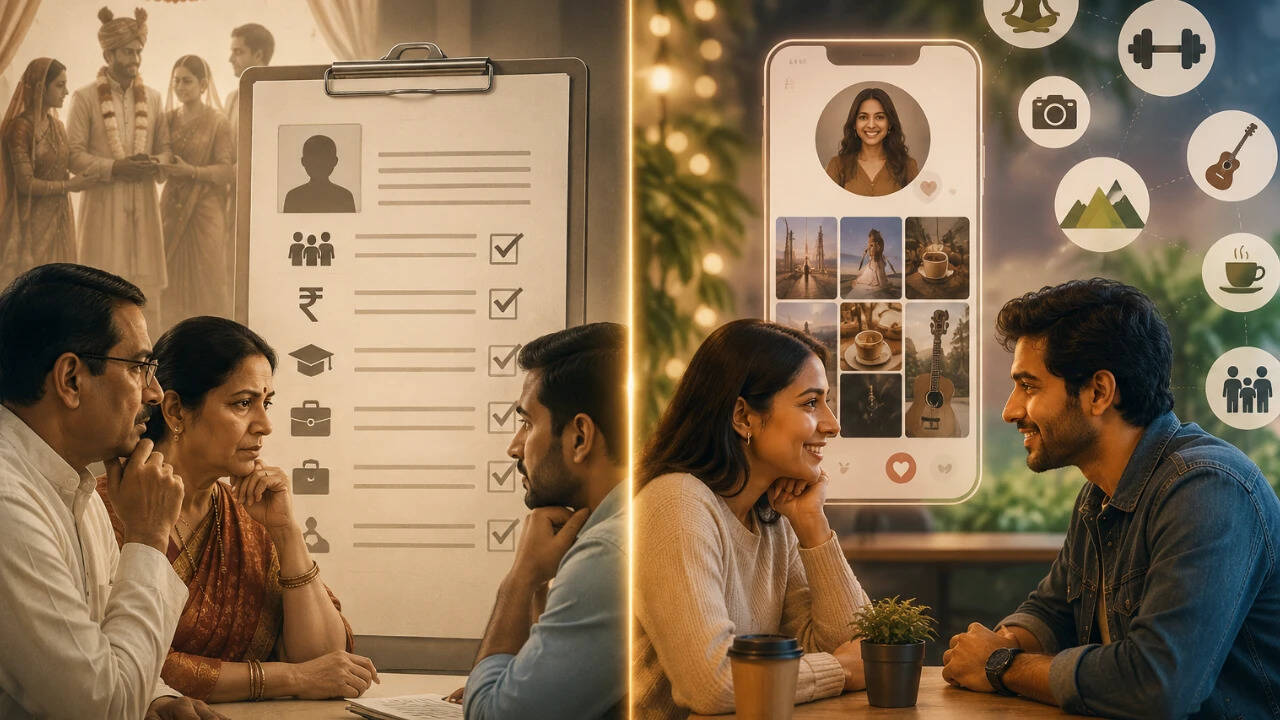
Every year in India, the much-anticipated marriage season arrives, accompanied by bustling wedding halls, revived family ties, and an upsurge in matrimonial app usage. As young couples embark on the search for their perfect match, a seemingly innocuous ritual unfolds: the creation of marriage biodata. This one-page profile, often overlooked amid the celebrations and matchmaking conversations, reveals much about the evolving nature of Indian society.
Traditionally, marriage biodata consisted of basic details like age, height, complexion, caste, salary, and family background. For women, attributes such as being "fair," "homely," and "well-mannered" were frequently emphasized, while men were expected to possess a stable job, income, property, and family status. This rigid checklist persisted even in urban India, albeit with subtle variations.
Mamata, a 52-year-old resident of Uttar Pradesh, observed that her daughter's potential matches would now be evaluated based on her career, lifestyle, and independence, rather than traditional factors.
However, the biodata format itself has remained largely unchanged despite shifting expectations. Relationship coach Sidhharrth S Kumaar noted that the true transformation lies in the shift of focus from social suitability to the compatibility of two individuals. Parents, once the primary custodians of marriage biodata, are stepping aside, allowing their children to take the reins in shaping their own profiles and making decisions with the help of relationship coaches or even artificial intelligence.
The emergence of dating culture among young Indians also plays a significant role in this evolution. As more people engage in dating and courtship, they are increasingly seeking genuine emotional connections rather than merely ticking boxes on a checklist. Verona Matchmaking, a prominent matchmaking platform, stresses the importance of keeping an open mind and focusing on finding someone worth getting to know, rather than merely finding someone who perfectly matches every criterion on a biodata.
Women, too, are redefining their expectations from marriage. Rupali Rani, currently searching for a match, emphasized that financial stability is no longer the sole determining factor. Instead, she prioritized shared values, effective communication, and mutual respect. She believed that making uncomfortable conversations during the early stages of a relationship was preferable to harboring a comfortable misunderstanding later on.
This shift in mindset underscores the growing emphasis on emotional compatibility and shared life goals.
In summary, the marriage biodata in India has evolved from a rigid checklist of caste, salary, and family background to a more nuanced reflection of individual aspirations and compatibility. As societal norms and expectations continue to shift, the future of Indian marriage may lie in finding partners who "fit together" rather than merely fitting into predetermined molds.
Written by urgent.news from Times of India's reporting — not their text. Machine-written — may contain errors; check the original before relying on it.