For his latest tariffs, Trump used a statute so obscure many lawyers didn’t even know it still existed. ‘This law is literally a blank canvas’
Trump invoked Section 338 of the Tariff Act of 1930 to slap a 50% tax on $20 billion worth of Canadian imports.
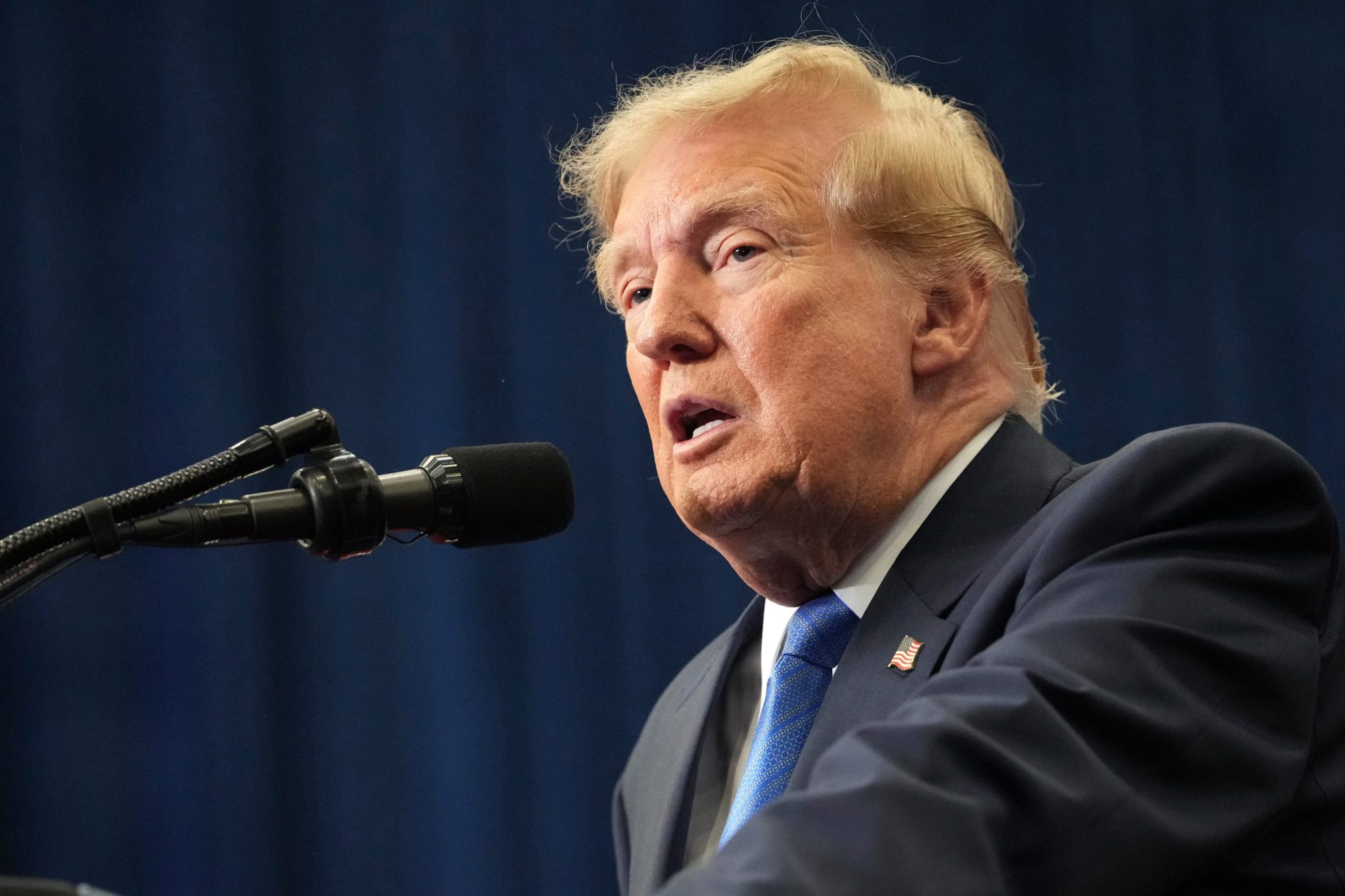
President Donald Trump recently invoked a seldom-used 96-year-old statute to impose a 50% tariff on $20 billion worth of Canadian imports in retaliation for alleged discriminatory trade practices. Section 338 of the Tariff Act of 1930, also known as "Smoot-Hawley," has never been tested in court and its future legal standing is uncertain.
Legal experts argue that the statute may be outdated, as newer trade laws and negotiations have taken precedence. Critics point out that Canada's response to the tariffs is not exclusively targeted at U.S. farmers, automakers, or alcoholic beverage producers, but rather encompasses a broader range of Canadian goods. Furthermore, the U.S. agreed to Canada's dairy market protection in a trade pact negotiated while Trump was in office.
While Trump's administration maintains that the tariffs are justified under the statute's provisions, legal challenges may ultimately determine their constitutionality.
Written by urgent.news from Fortune's reporting — not their text. Machine-written — may contain errors; check the original before relying on it.
This story
This is one outlet's version. Read the fullest account.