First look: Lego reimagines its Super Mario range with new sets and the first-ever Mario minifigures
Lego has announced the new Super Marion sets, including new minifigures. Available from Jan. 1, 2027.
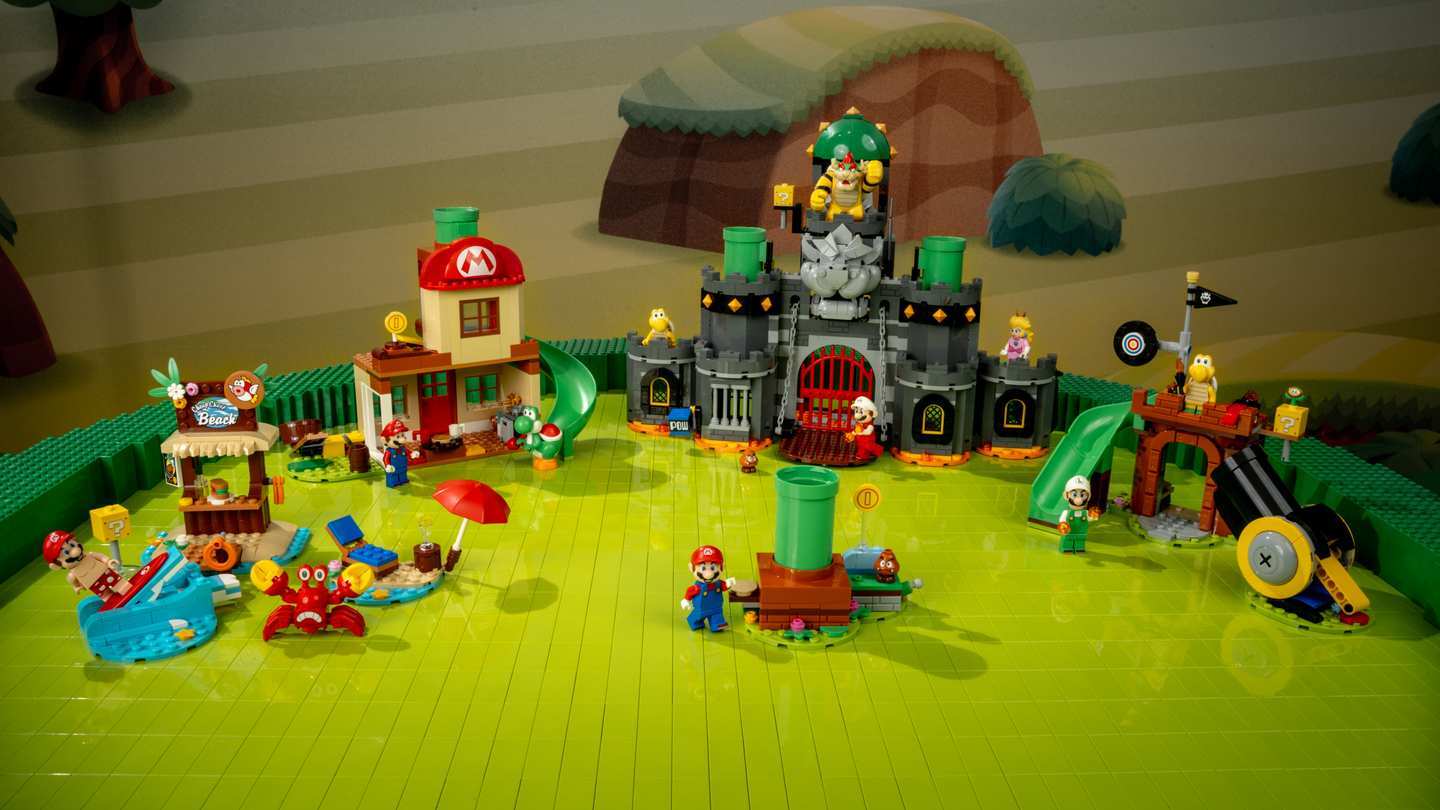
Lego has reimagined its Super Mario collection with a batch of new 2027 sets, featuring a debut of its first-ever Mario minifigures. This marks a significant evolution for the once-gimmicky Lego theme, transforming it into a highly engaging and innovative range that captures the nostalgic charm of Nintendo games. The first set showcasing these minifigures, the Fire Mario & Bowser's Castle (72060), will be available from Lego.com and Lego stores from January 1, 2027, priced at $89.99.
This set includes Fire Mario, Bowser, and Peach, recreating the classic princess rescue from the original Nintendo game. Other sets in the lineup include Mario's Pipe Jump (72052) and Luigi & Bowser Jr.'s Race (72056), both priced between $9.99 and $29.99. These sets emphasize classic Lego construction and role-play fun, moving away from previous app-based play.
New minifigures, such as the first-ever Yoshi and Fire Luigi, add to the appeal, offering collectors a fresh and exciting Super Mario range.
Written by urgent.news from Mashable's reporting — not their text. Machine-written — may contain errors; check the original before relying on it.