Fifa crisis shows that fans must get a say in who succeeds Infantino as president
Gianni Infantino has inadvertently shown fans that the Fifa president matters, so maybe we should rethink how we elect one, argues Matt Readman. A year ago, I wrote an article arguing that the role of a sports leader was to be a caretaker, not a king. The warning was simple: make the story about yourself and [...]
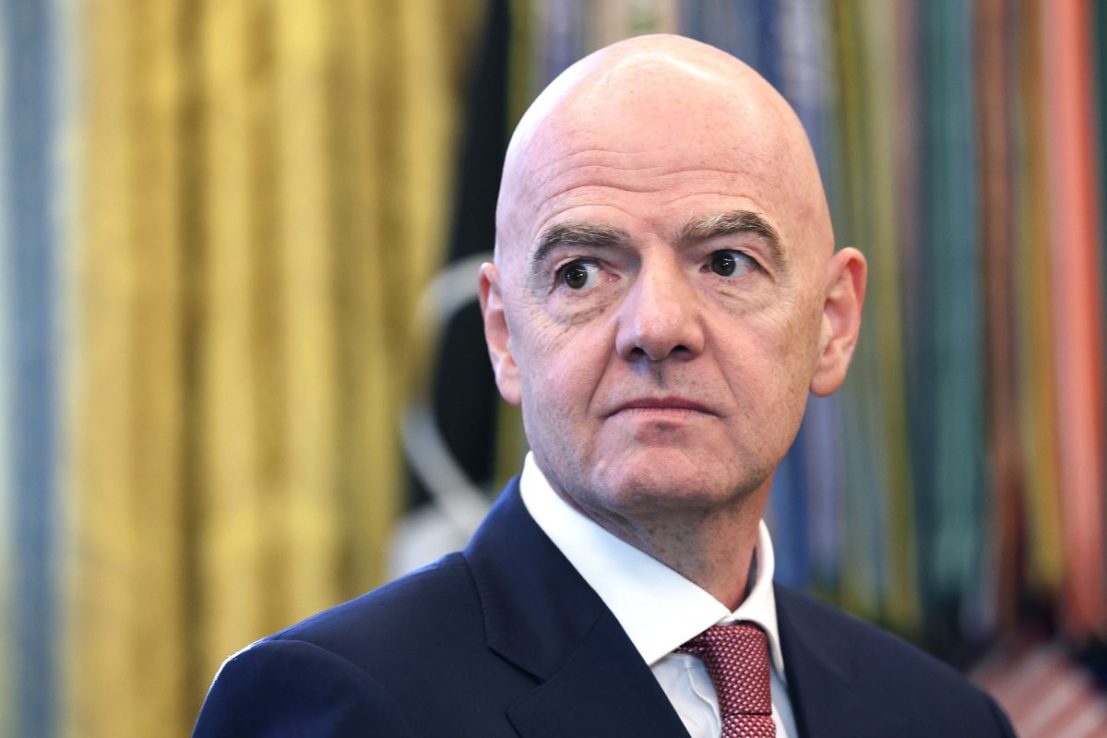
Gianni Infantino's attempt to open the World Cup to private investment has sparked the most significant crisis of his controversial presidency. The plan, designed to raise around $4.2 billion, was met with fierce opposition from Uefa, the Asian Football Confederation, and Concacaf, as well as a revolt from national associations and clubs. This led to the termination of Fifa's chief operating officer, Kevin Lamour, and the resignation of senior adviser Carlos Cordeiro.
Infantino's rise to power has inadvertently highlighted the need for fans to have a say in selecting the president, argues Matt Readman. The warning signs were evident when Infantino stated his intention to run for a fourth term, arguing that his first should not count due to Sepp Blatter's interrupted mandate. Infantino's election has occurred unopposed, and while he has delivered financial growth and expanded the World Cup, he has also created a system with few meaningful checks on his personal authority.
The issue lies in the fact that Fifa's 211 member associations hold the votes, but ordinary supporters have none. As Infantino has become a household name, football fans have become aware of the immense power the presidency holds. They know that the Fifa president can make significant decisions, such as putting his name on the Club World Cup trophy, launching the Fifa Peace Prize, and altering the global football calendar.
This awareness has led fans to question why they have no input into who holds this influential position.
Infantino's approach to the presidency has mirrored that of political dictators, raising concerns about the democratic nature of Fifa's presidential elections. The current system, which is technically democratic but in practice favors football associations over supporters, is ripe for change. Giving fans a vote and publishing the results could help make national associations accountable for their voting decisions.
Moreover, allowing presidential candidates to campaign directly in front of football fans could help bridge the gap between the president and the grassroots supporters who truly drive the sport.
Written by urgent.news from City AM's reporting — not their text. Machine-written — may contain errors; check the original before relying on it.