Fantastic foams and supercritical science — why running shoes have improved so much in the past 10 years, explained by an expert who makes them
We spoke to an expert on why we're living through a golden age of running shoes.
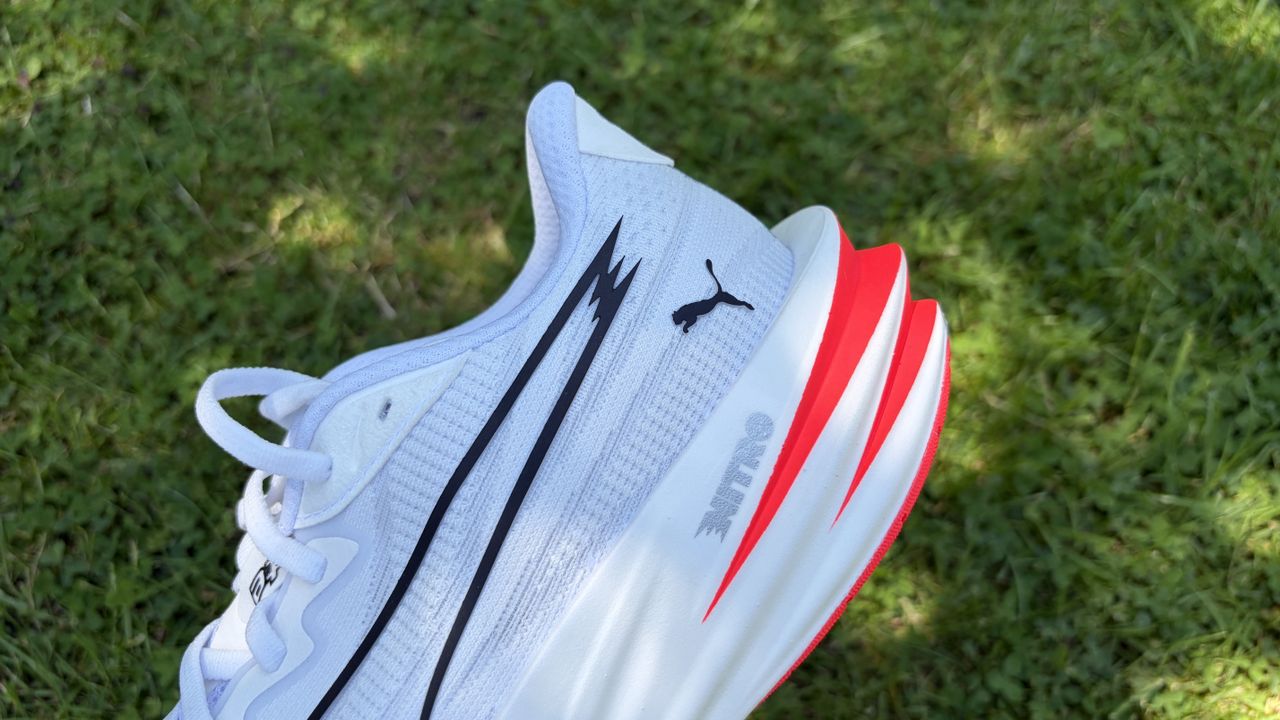
Running shoes have undergone incredible advancements over the past decade, making them lighter, more responsive, and enjoyable for runners of all levels. One of the most crucial elements in enhancing a shoe's performance is its midsole, which serves two primary functions: absorbing impact forces upon landing and returning energy to the runner for that coveted "bounce" effect.
The key to achieving these goals lies in the foam material used in the midsole, and Damion Perry, Senior Product Line Manager at Puma Running, has been instrumental in driving these innovations.
Perry explains that the importance of a shoe's midsole cannot be overstated. The upper and outsole play their roles, but it is the midsole that truly determines a shoe's performance. Traditional foams, like those used in the past, were primarily concerned with impact absorption, leaving room for improvement in energy return. However, recent advancements in foams have allowed manufacturers to create midsoles that effectively absorb forces while returning energy to the runner, resulting in shoes that feel "lighter, bouncier, and just flat-out more fun."
One of the most significant breakthroughs in midsole technology is the use of supercritical foams. Unlike traditional foams, which are typically injection-moulded or compression-moulded, supercritical foams are created using a unique process that infuses foams with a gas (usually nitrogen) using a high-pressure, heated chamber called an autoclave.
This process results in foams that are lighter, less dense, and more airy and bouncy. The incorporation of supercritical foams has dramatically improved the cushioning experience and energy return in running shoes.
There are various types of foams used in midsoles, each with its unique properties and benefits. Early midsoles relied heavily on ethylene-vinyl acetate (EVA), but modern materials, such as polyurethane blends (PEBA) and aliphatic thermoplastic polyurethane (aliphatic TPU), have gained popularity due to their improved energy return and responsiveness.
While all these foams share the supercritical foaming process, they differ in density, cushioning, and feel, catering to diverse runner preferences. For example, EVA is ideal for those seeking stability and familiarity, while aliphatic TPU is favored by athletes pursuing personal records due to its exceptional energy return.
Written by urgent.news from Tom's Guide's reporting — not their text. Machine-written — may contain errors; check the original before relying on it.