Doctors Just Used AI to Perform Brain Surgery
"It's given me my life back." The post Doctors Just Used AI to Perform Brain Surgery appeared first on Futurism .
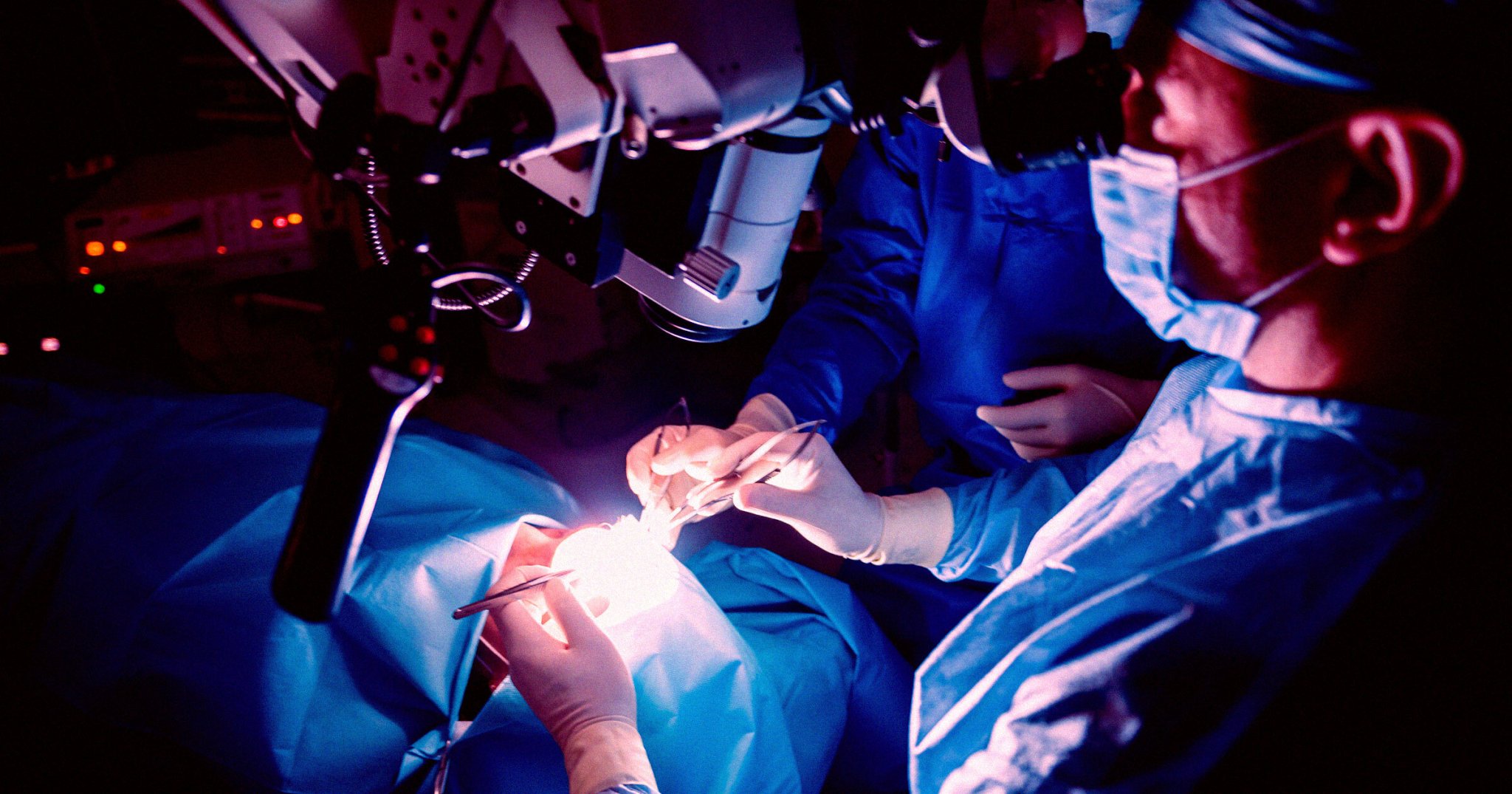
A team of neurosurgeons in London utilized AI to assist them during the brain surgery of a 48-year-old man named Rhys Hibbert. The AI system analyzed live footage of the operation, highlighting critical brain structures such as nerves and blood vessels as the surgeons removed a sizable tumor on Hibbert's pituitary gland, ensuring they didn't inadvertently harm these sensitive areas.
The surgery, executed at the National Hospital for Neurology and Neurosurgery in May, successfully rescued Hibbert's vision, which had previously been impaired. Hibbert recounted, "When I came to, I could see everything in the room clearly," whereas prior to the surgery, he relied on glasses and a walking stick to navigate. The pituitary gland is a delicate part of the brain, situated adjacent to arteries supplying blood to the brain and optic nerves that manage vision.
Even a millimeter of error could lead to severe consequences like blindness, stroke, or death. The tumor, located at the base of the brain and concealed from view, presented an especially challenging scenario. Surgeons needed to carefully chart a precise path to reach the benign growth without compromising the brain. This is where the AI tool proved invaluable.
Trained on numerous surgical videos of pituitary tumor removals, the AI system was exposed to a vast array of surgical examples, a process that would typically take a surgeon many years to accumulate. Researchers manually marked the vessels and nerves in each video so the AI could accurately recognize their locations. During the surgery, the AI tool tracked the surgeons' instruments in real time, pinpointed the most likely locations of hidden vessels and nerves, and indicated safe areas for the tumor extraction, akin to facial recognition technology for hidden anatomy.
Hibbert expressed his gratitude, stating, "It's given me my life back." However, the use of AI in medical procedures also raises questions about potential risks and dependency, especially as new medical students are increasingly exposed to AI tools.
Written by urgent.news from Futurism's reporting — not their text. Machine-written — may contain errors; check the original before relying on it.