Do mRNA tumour vaccines herald a new revolution in cancer treatment?
Results of a recent melanoma trial using mRNA vaccines have been exciting. If the promise of mRNA tumour vaccines holds across multiple cancers, then this could be the next great leap forward in cancer care
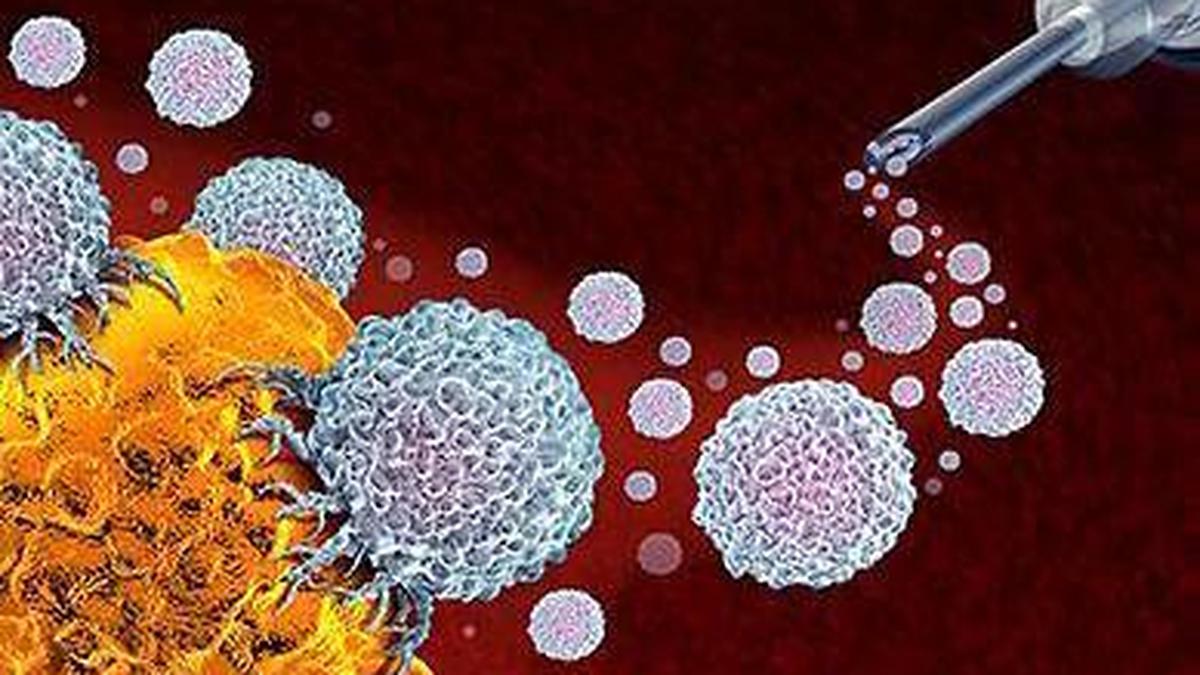
The story of cancer treatment has evolved through distinct phases. Chemotherapy marked the first major breakthrough, offering improved survival rates but with significant side effects. The advent of precision medicine, enabled by the mapping of the human genome, allowed for targeted therapies that specifically addressed genetic mutations in cancers like HER2-positive breast cancer and EGFR mutations in lung cancer.
Immunotherapy, which harnesses the patient's own immune system to attack cancer cells, represented the most transformative development in recent decades. Checkpoint inhibitors, such as pembrolizumab and nivolumab, have dramatically improved outcomes for metastatic melanoma and have since expanded to other cancer types. However, even with these advancements, a complete cure remained elusive due to the ability of tumors to develop new, resistant mutations.
Immunotherapy, which trains the body's immune defenses to fight cancer, has been particularly impactful in cancers that were previously considered untreatable. Personalized mRNA tumour vaccines represent the next frontier in cancer treatment, promising to build upon the foundation established by immunotherapy. A recent Phase III trial (INTerpath-001) demonstrated the potential of these vaccines, showing significant improvements in recurrence-free and distant metastasis-free survival when combined with pembrolizumab in high-risk melanoma patients.
The vaccine works by using the patient's own tumour genetic profile to create a tailored mRNA construct that trains the immune system to recognize and attack cancer cells carrying specific mutations. This approach represents a paradigm shift in cancer treatment, moving from a one-size-fits-all model to one that is tailored to the individual's unique cancer profile.
If successful in further trials, personalized mRNA tumour vaccines could become a standard part of cancer treatment protocols, potentially offering hope to patients with cancers that have been difficult to treat.
Written by urgent.news from The Hindu Health's reporting — not their text. Machine-written — may contain errors; check the original before relying on it.