¿Cómo ha conseguido Suiza mantenerse como potencia quesera?
El país helvético sostiene una industria que representa el 7% del PIB agrícola, en la que el 90% son explotaciones familiares. Producen 215.000 toneladas anuales, de las que el 40% se exporta
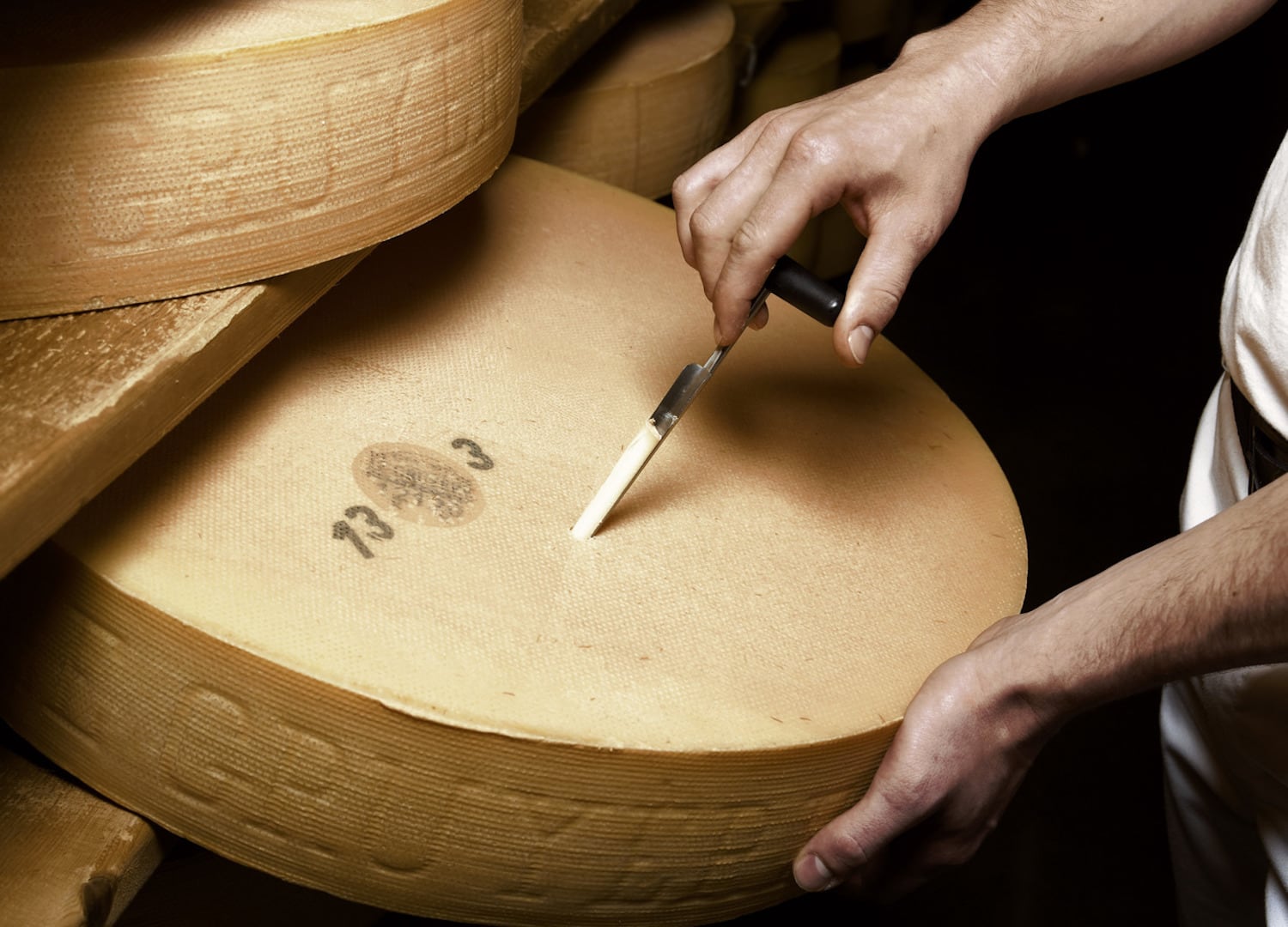
Suiza, with a population of just nine million, stands out as one of Europe's strongest economies, boasting a services sector that accounts for 74% of its GDP. Despite this, Switzerland has not forsaken its rural roots, as agriculture contributes 1% to the nation's wealth, according to About Switzerland, the official communication platform of the Swiss Confederation.
Just as Spain is a favored destination for Swiss cheese varieties, the demand for Swiss cheeses in Spanish markets is notable. Among these, Gruyère, Emmental, Appenzeller, and Tête de Moine are particularly popular, with their sales experiencing growth rates ranging from 1% to 22% in the early months of the year. Director Nicola Polinelli of the Swiss Cheese Union (SCM) has emphasized Switzerland's strategic focus on the Spanish market, despite the fact that per capita consumption stands at nine kilograms annually, compared to 21 in France and 24 in Switzerland itself.
Swiss cheeses are widely found in charcuterie shops and supermarkets, though they are notably absent from Mercadona stores. They are commonly consumed at home, with 85% of the cheese intake occurring domestically, as noted by Polinelli.
Written by urgent.news from El Pais Economia's reporting — not their text. Machine-written — may contain errors; check the original before relying on it.