'Claude Strife': DLSS 5 has escaped into the wild, and things are immediately weird
The controversial generative AI tech can look alright when used subtly, but the 'AI look' seems to be inescapable.
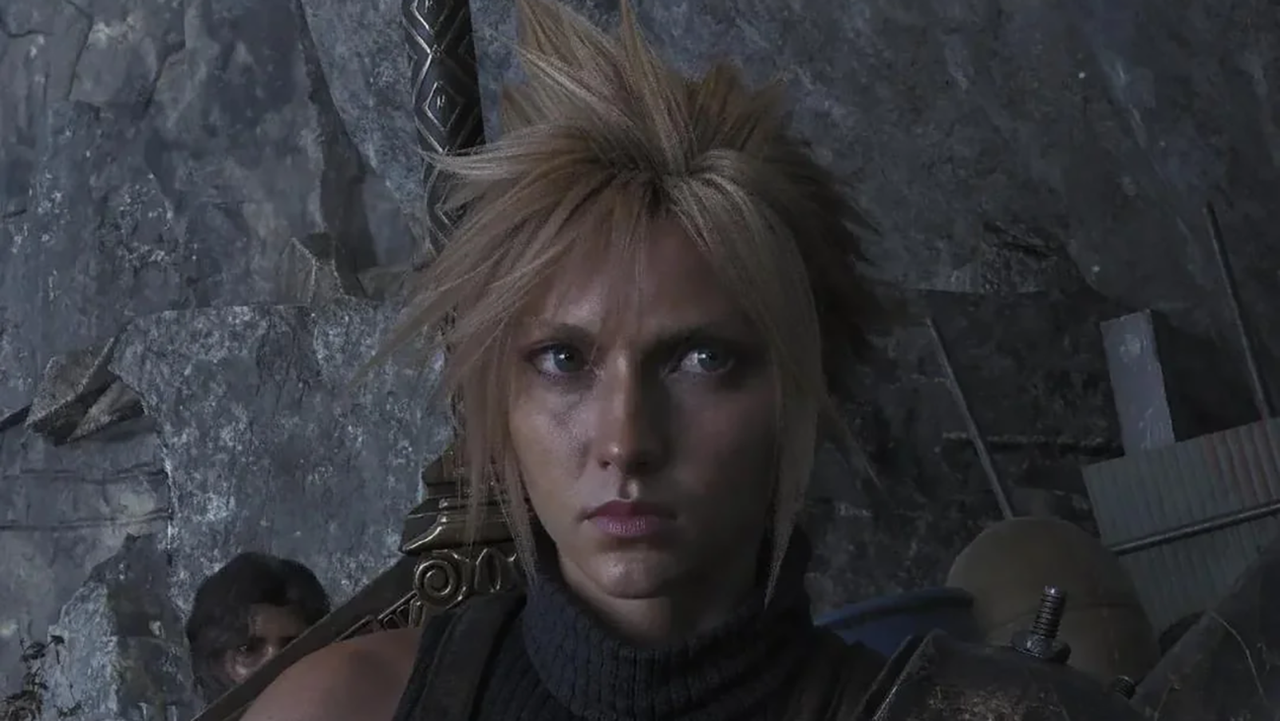
Nvidia's controversial DLSS 5 technology has slipped out before its official release, causing a stir in the gaming community. Users have been incorporating it into games that are not optimized for the new tech, leading to both comedic and off-putting results. A screenshot dubbed "Claude Strife" showcases DLSS 5 at extreme settings, which differs significantly from traditional DLSS that uses machine learning to upscale graphics.
Unlike the conventional version, DLSS 5 employs AI image generation to enhance the artwork with a photorealistic effect.
However, the experiment suggests that stylized characters are not the ideal use case for DLSS 5, as it intensifies skin textures, separates facial features, and amplifies expressions that may otherwise appear neutral. Some users have noted that certain games, like Hogwarts Legacy, have seen their characters transform into older individuals, such as a 35-year-old divorce attorney.
On the other hand, some games, such as Starfield, show improved results when the settings are adjusted correctly, making characters appear more human.
Opinions on DLSS 5 are divided, with some finding it appealing and others expressing concerns about its AI-generated appearance. The tech has sparked a debate, with some people preferring to keep it out of their gaming experience.
Written by urgent.news from PC Gamer's reporting — not their text. Machine-written — may contain errors; check the original before relying on it.