China’s Middle East policy at a crossroads 6 months into US-Israeli war on Iran
Gulf states are making a strategic pivot as the war in Iran drags on into its sixth month but observers warned that their shift towards self-reliant defence networks could test China’s “involvement without commitment” strategy in the region. The war has forced Gulf leaders to face the reality that neither the United States nor China is able to protect them from attacks by Iran. On Wednesday, the…
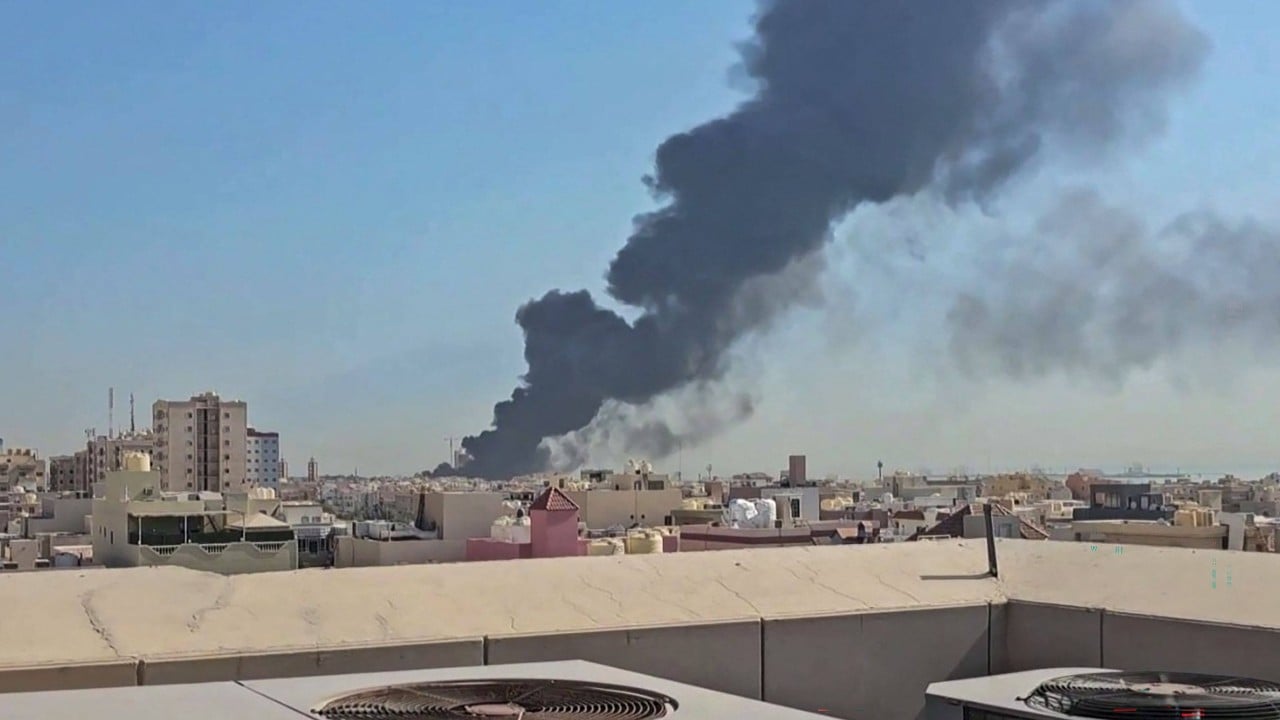
Six months into the ongoing US-Israeli war on Iran, the Gulf states are undergoing a strategic shift away from external reliance. Observers warn that this pivot towards self-reliant defense networks could challenge China's "involvement without commitment" approach in the region. After months of diplomatic efforts, Iran continues its attacks on Gulf states, revealing the limitations of China's influence.
Zhu Zhaoyi, from a Beijing-based think tank, noted that the war acted as a catalyst, prompting neighboring nations to reconsider their positions. With the US and Israel attacking Iran in February, Gulf states hoped China would leverage its influence to broker a settlement, but Iran persisted in its attacks. Though China holds significant economic leverage and privileged political access in Tehran, it is not prepared to intervene politically, economically, or militarily to protect Gulf states.
China's strategy of "involvement without commitment" aims to mitigate risks rather than gain influence. However, Iran's relentless attacks on Gulf states are undermining China's diplomatic efforts, potentially forcing a reconsideration of its Middle East policy.
Written by urgent.news from South China Morning Post's reporting — not their text. Machine-written — may contain errors; check the original before relying on it.
This story
This is one outlet's version. Read the fullest account.