Charts that explain the rise of artificial intelligence
Models keep improving, tech companies keep climbing on the stock market, and hundreds of millions of people are using a technology that only recently arrived
Over the past four years, artificial intelligence has captured the world's attention and reshaped daily life. The viral success of ChatGPT in 2022 showcased its ability to converse and follow human instructions, hinting at its profound impact. Leading AI models from OpenAI, Anthropic, and Google continue to improve with each release, measured through competency tests called benchmarks.
While these models have achieved high scores, pushing the benchmark's limits, it is clear that they are advancing rapidly. Generative AI is projected to be the quickest adopted technology in history, outpacing the internet and personal computers by decades.
Business adoption of AI services is significant, with more than half of U.S. companies already paying for AI solutions from providers like Anthropic's Claude and OpenAI's ChatGPT. In Spain, 58% of large companies and 20% of medium-sized firms utilize AI. The world's top five tech companies—Nvidia, Apple, Alphabet, Microsoft, and Amazon—all have substantial investments in artificial intelligence, leading to dramatic market value increases, with Nvidia alone surging fifteenfold since 2022.
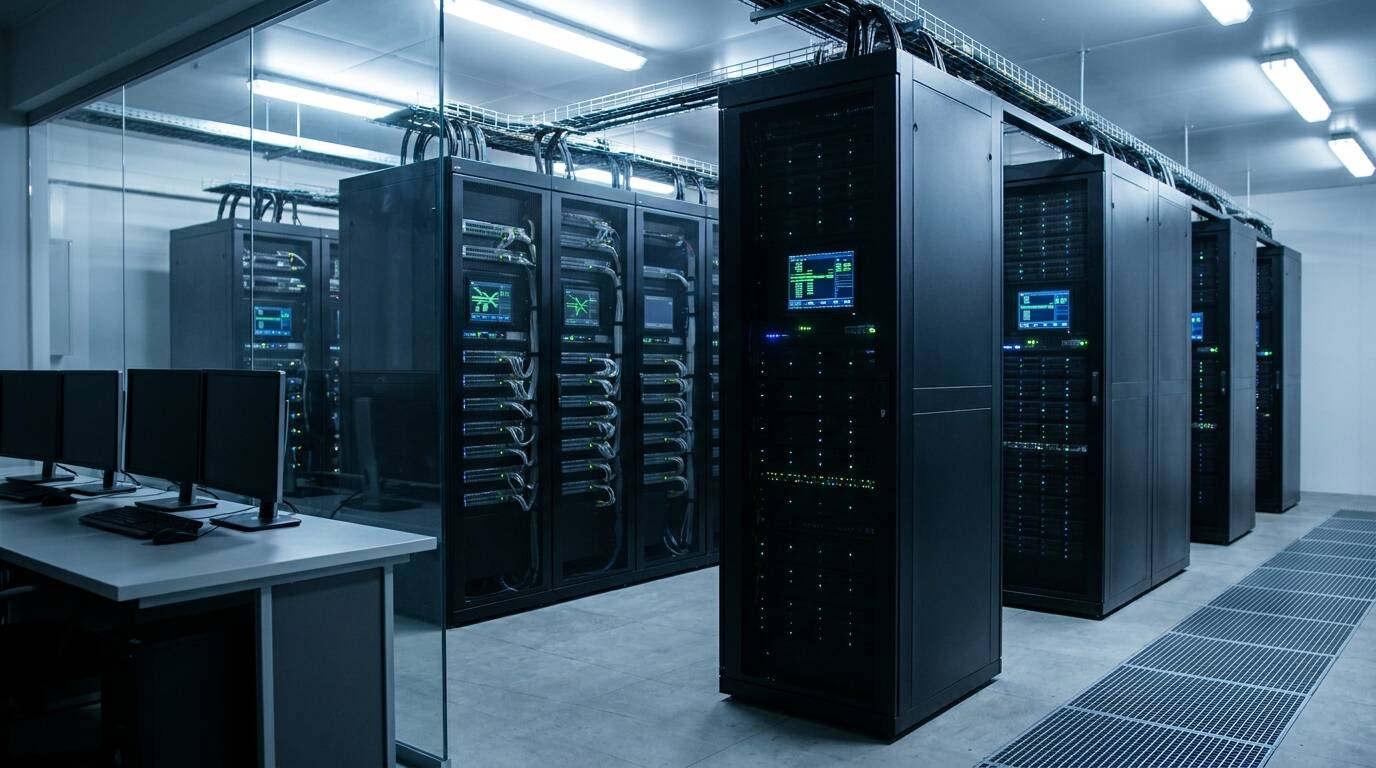
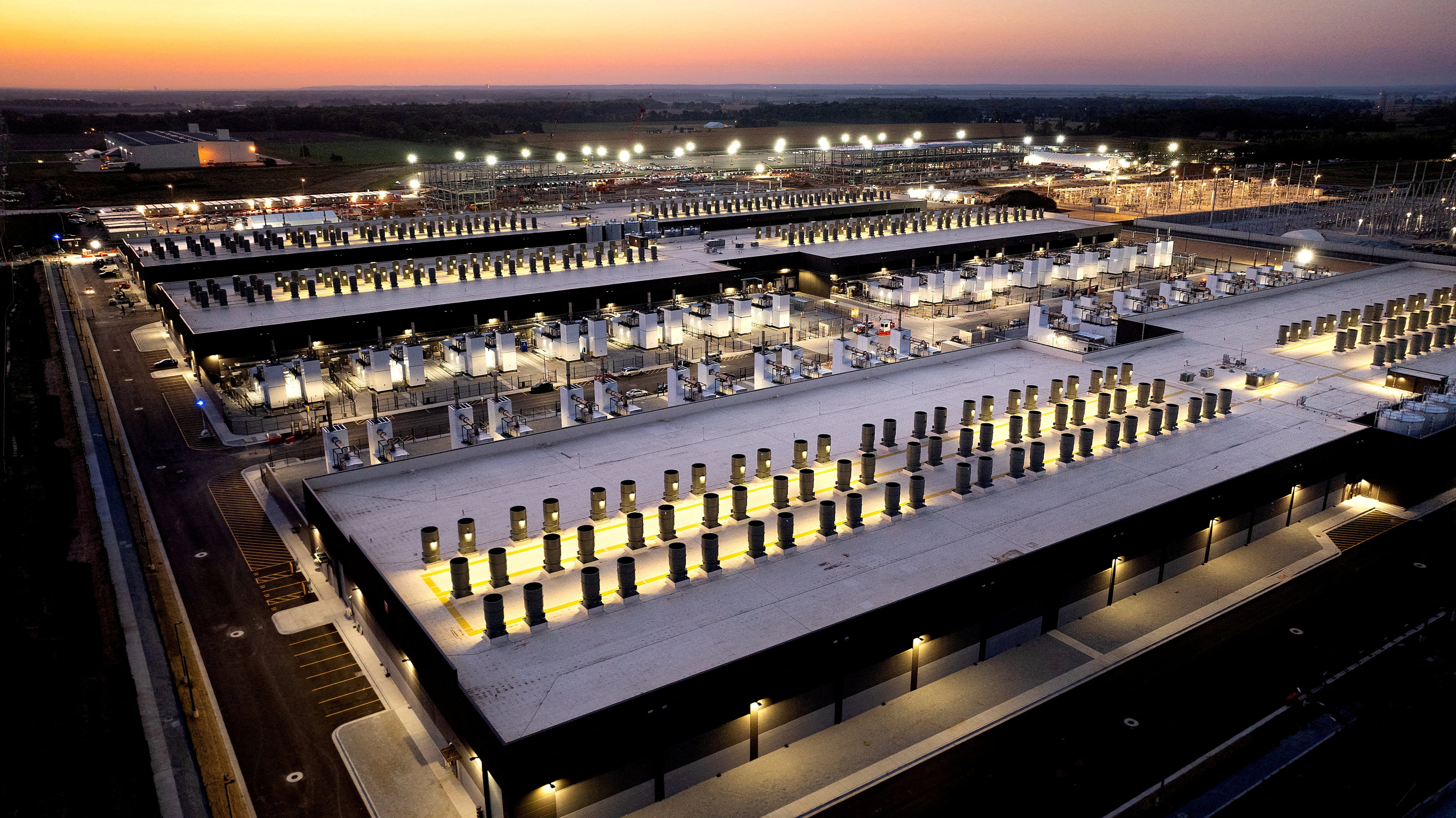
This surge has fueled concerns about a potential bubble, but major tech firms show no signs of slowing their spending on AI-related capital expenditures. The labor market's effects of AI remain uncertain, but job postings mentioning AI have surged globally, reflecting the transformative influence on industries. The energy required to train and run AI models is substantial, with data centers projected to double electricity consumption by 2030, nearly matching Japan's annual electricity use.
Advanced AI models are primarily being developed in the United States, but China's companies are closing the gap rapidly. The competition for AI dominance is intensifying, with significant implications for the global economy and society.
Written by urgent.news from El Pais English's reporting — not their text. Machine-written — may contain errors; check the original before relying on it.