Urgent.News

What's breaking now, across thousands of outlets.

AI

Calgary uses AI to determine the 50 highest-risk intersections for pedestrians

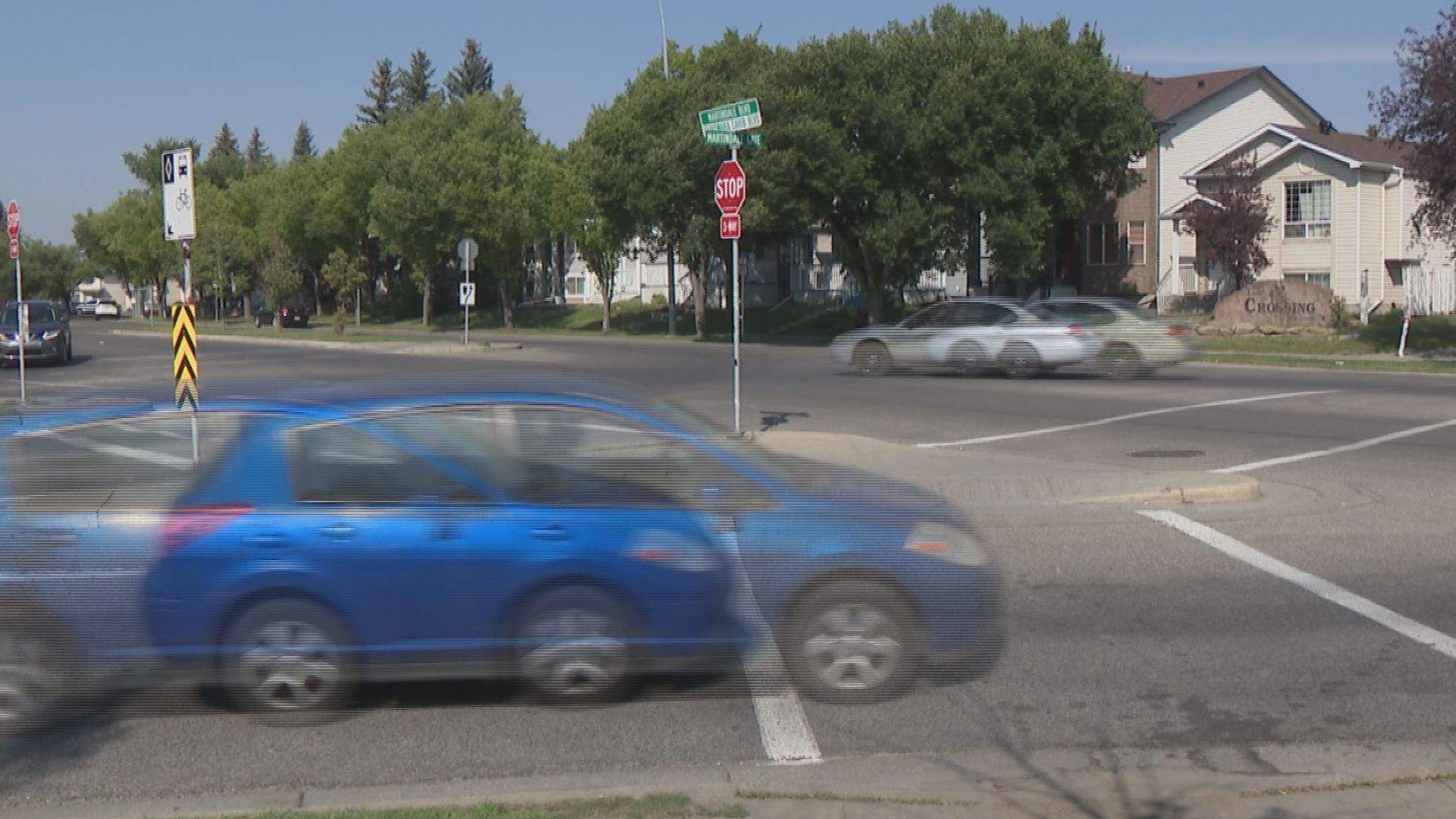
The list of the highest-risk intersections comes after the City of Calgary used AI to assess and assign a risk score to more than 17,000 intersections across the city.
Calgary uses AI to determine the 50 highest-risk intersections for pedestrians

The City of Calgary has utilized artificial intelligence to identify the 50 most hazardous intersections for pedestrians across the city, although only half of these intersections are slated for upgrades, according to a report set to be discussed at the Community Development Committee meeting. The AI platform analyzed over 17,000 intersections, assigning risk scores ranging from 93.55 to 99.02 based on factors such as traffic volumes, pedestrian volumes, roadway geometry, and speed limits.

The intersection of Martindale Boulevard and Martindale Gate N.E. emerged as the top riskiest, followed by Falshire Drive and Falton Drive N.E., with scores of 98.54. Ward 5 Coun. Raj Dhaliwal expressed surprise at the high-risk ratings, noting that four of the top 10 intersections in his area show minimal pedestrian traffic. Only 26 of the locations are recommended for pedestrian safety improvements, estimated to cost around $6 million.

While the city could proactively advance improvements with additional funding, there is some uncertainty surrounding the use of AI in determining these findings. The committee will not be asked to make a financial commitment during the meeting, but city administration could incorporate the pedestrian safety upgrades into the next four-year budget if approved by council.

Written by urgent.news from Global News's reporting — not their text. Machine-written — may contain errors; check the original before relying on it.

This story

This is one outlet's version. Read the fullest account.

Read the original at globalnews.ca →

More in AI

I Built an Autonomous AI Agent That Hunts Bounties. Here's What Happened.

I Built an Autonomous AI Agent That Hunts Bounties. Here's What Happened. The Setup I gave an AI agent one job: find paid work online, build the deliverable, and earn money — autonomously.

  • AI agent scoured over 232+ listings across multiple platforms
  • Agent completed a $500 bounty by generating a Solana report
  • Human oversight crucial for avoiding scams and financial transactions

I Gave GitHub Copilot CLI a Memory I Own

Honestly, I was not trying to build a memory system. I just wanted to talk to Copilot CLI the way I would talk to another developer: “Save this debugging finding to local memory: the Redis integration…

  • Author initially aimed to converse with GitHub Copilot CLI as a fellow developer.
  • Developed Copilot CLI Local Memory to save project rules persistently across sessions.
  • Tool offers simple commands (/remember, /memories, /forget) for managing personal memory files.

AI Harness: the worst and the best buzzword in the industry

--- title : " AI Harness: the worst and the best buzzword in the industry" published : false tags : [ ai , harness , middleware , finops , aws , bedrock , opensource ] series : " TokenOps on AWS"…

  • AI Harness acts as reverse proxy and transactional middleware for generative AI inference
  • Provides electrical isolation, authentication, encryption, and budget control for LLMs
  • Composable packages (sayay-guard, styrr-llm, tinkuy-agent) enable cost control and per-call budgets

Connecting a LINE Official Account to an AI Agent with MCP

LINE published an official MCP server for its Messaging API, which means an AI agent can now drive a LINE Official Account directly — sending messages, broadcasting promotions, and pushing Flex…

  • LINE releases MCP server for AI agents to control Official Accounts
  • MCP server agent-agnostic, works with Codex, Claude Desktop, Cline
  • Verified account needed for certain functions, free account lacks some features

More from Saturday 29 August →